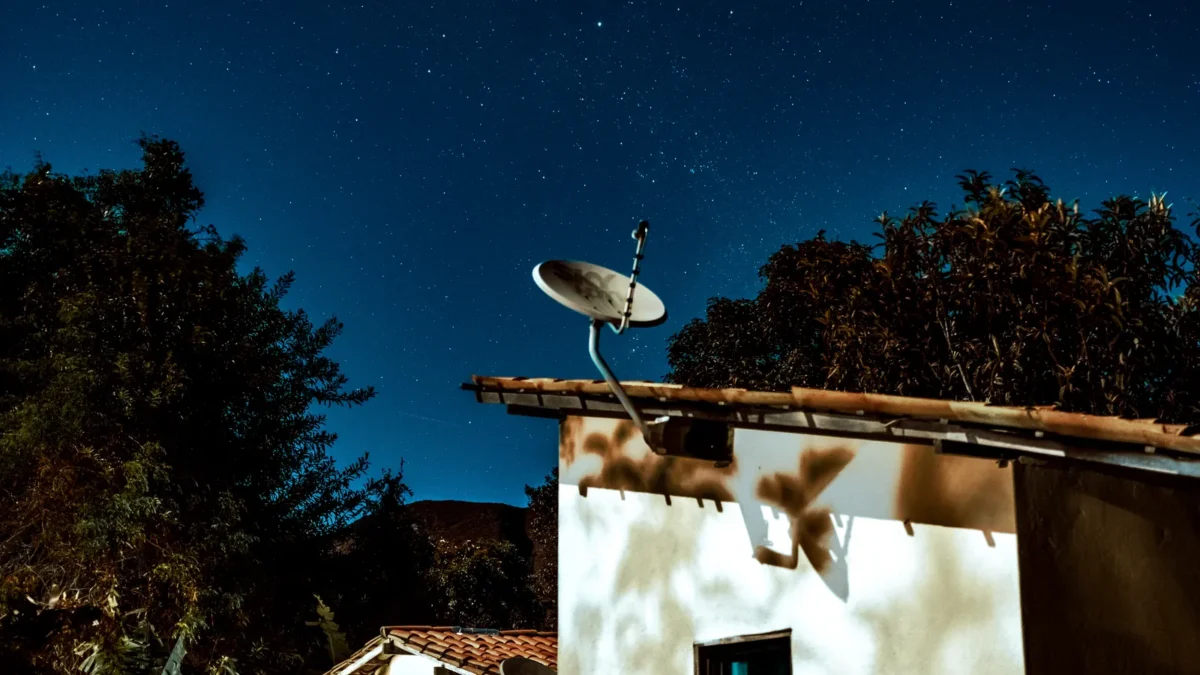
Affiliate disclosure: This article contains a Starlink referral link. If you sign up through it, I may receive a referral reward or credit from Starlink at no extra cost to you. Referral offers differ by country and can change or end at any time, so check what applies to you at checkout. My opinions come from my own use of the service.
I have used Starlink at home for about two years. The short version: if you live somewhere with weak or no fiber, cable, or reliable mobile broadband, it can be the difference between a connection you fight with and one you stop thinking about. If you already have affordable fiber, it is probably not worth switching.
This review covers my own speed tests, what the hardware and monthly plans cost in Indonesia, the downsides I have actually run into, and a simple way to decide whether it fits your situation.
Quick Verdict
| Question | Short answer |
|---|---|
| Is it fast enough for daily use? | In my tests, yes. Streaming, video calls, and large downloads all worked well. |
| Is latency good enough for calls and gaming? | My tests measured 20 to 28 ms, which is very low for satellite internet. |
| What is the biggest downside? | Heavy rain can interrupt the connection, and the upfront hardware cost is high. |
| Who should get it? | People in rural or underserved areas, remote workers, and anyone whose current provider is unreliable. |
| Who should skip it? | People with fast, stable, cheaper fiber already available. |
My Own Speed Test Results
Instead of repeating marketing numbers, here are results from tests I ran myself in Indonesia and published earlier on this blog.
| Test | Download | Upload | Latency | Conditions |
|---|---|---|---|---|
| Evening test, 8:36 pm | 176 Mbps | 12.2 Mbps | 28 ms | Clear sky |
| Afternoon test, 4:30 pm (Standard Actuated Kit) | 156 Mbps | 35 Mbps | 20 ms | Daytime |
These are single measurements, not averages, and speeds change with time of day, location, and network load. Even so, they show what the service can do under good conditions. You can read the full write-ups in my Starlink speed test in Indonesia article, and in the Indonesian-language post Kecepatan Internet Starlink di Indonesia.
My Latest Test From the Starlink App (October 2026)
To keep this review current, I ran another round of tests in the Starlink app on the morning of October 4, 2026, between about 9:56 and 9:59 am. Here is what the app showed.
| Test (Starlink app) | Download | Upload | Latency |
|---|---|---|---|
| Dish speed test | 311 Mbps | 51 Mbps | 16 ms |
| iPhone to internet over Wi-Fi (5 GHz) | 163 Mbps | 35 Mbps | 22 ms |
| iPhone to router (local Wi-Fi only) | 179 Mbps | 270 Mbps | Not shown |
How to read this: the dish test measures the satellite link itself, while the iPhone test shows what a real device receives over my home Wi-Fi, so it is naturally lower. The router test measures only the Wi-Fi hop between my phone and the router, not the internet, so its upload figure should not be read as internet upload speed.
The app’s statistics screen for the previous 15 minutes showed a 99.9% ping success rate, a median latency of 19 ms, and a power draw of about 37 W. It also logged 6 outage events over the past day, which fits what I said above: the connection is very good but not perfect. These are single morning measurements, not averages.
Why Starlink Feels Different From Older Satellite Internet
Traditional satellite internet uses satellites in geostationary orbit, roughly 35,786 km above Earth, which usually means latency of 600 ms or more. Starlink uses a large network of low Earth orbit satellites at an altitude of around 550 km. The shorter distance is why my latency tests landed between 20 and 28 ms, which is low enough for video calls and many online games.
If you are curious how Starlink fits into the wider race for satellite connectivity, I also covered Amazon Leo’s satellite internet plans and how airlines are choosing between Starlink and Amazon Leo.
What I Like After Two Years
- It works where other options do not. Starlink does not depend on local cables, so it can reach areas that fiber and cable providers do not serve.
- Latency is low. Calls, streaming, and browsing feel responsive in clear conditions.
- Upload speed is usable. Sending photos, files, and video calls works without long waits.
- Setup is simple. You place the dish with a clear view of the sky, connect power, and use the Starlink app to get online.
The Downsides You Should Know About
- Rain can interrupt the connection. In heavy rain, I have seen the connection drop. If you need rock-solid uptime in a tropical climate, plan a backup.
- The hardware is a real upfront cost. Recent Indonesian media reports put the Standard kit at roughly Rp5.9 to 6.5 million and the Mini kit at roughly Rp4.75 to 5.5 million.
- It needs a clear view of the sky. Trees and buildings can cause interruptions, so placement matters.
- Cheaper plans may slow down at busy times. Lower-tier residential plans can be deprioritized during peak hours.
- Prices and plan names change. Always confirm current pricing on the official Starlink site.
What Starlink Costs in Indonesia
Plan names and prices vary by country and change over time. Based on recent Indonesian media reports from 2026 (figures differ slightly between sources and months), personal plans look roughly like this:
| Plan | Reported monthly price | Who it suits |
|---|---|---|
| Residential Lite | About Rp479,000 to Rp510,000 | Light to moderate home use |
| Residential | About Rp750,000 to Rp800,000 | Households that want more consistent speeds |
| Roam / unlimited roaming | About Rp1,639,000 to Rp1,750,000 | Travelers who move the dish |
Treat these as estimates from third-party reports, not official quotes. Check the Starlink website for the exact price in your area before you order.
Is Starlink Worth It for You?
It is a good fit if
- Fiber or cable is not available where you live.
- Your current provider is slow or drops often.
- You work remotely and need a dependable connection with usable upload speed.
- You have a spot with a clear view of the sky.
Think twice if
- You already have fast, stable fiber at a lower monthly cost.
- You cannot afford the upfront hardware cost right now.
- Your location has heavy tree cover or tall buildings blocking the sky.
How to Order and What to Check First
- Enter your address on the Starlink website to confirm service is available.
- Choose the plan that matches how you use the internet.
- Compare the hardware price with the monthly cost over a full year, not just the first month.
- Find a mounting spot with a wide, unobstructed view of the sky.
- Keep a backup connection for the rainiest days if you work online.
Check Starlink Availability at Your Address
Referral link. See the disclosure at the top of this article.
About the Referral Link
The link above is my Starlink referral link. Starlink’s referral program has offered service credits in some countries, but eligibility, rewards, and terms differ by region and can change at any time. I do not guarantee any reward, so please check the offer shown to you at checkout. Whether or not you use my link, the price you pay for the service does not change because of it.
FAQ
Is Starlink fast enough for streaming and video calls?
In my tests, yes. I measured 156 to 176 Mbps download and 20 to 28 ms latency under good conditions.
Does rain affect Starlink?
Yes. Heavy rain can interrupt the connection, which is the main weakness I have experienced.
How much does Starlink cost in Indonesia?
Recent media reports put residential plans at roughly Rp479,000 to Rp800,000 per month, plus a hardware kit costing several million rupiah. Confirm current prices on the official site.
Is Starlink worth it if I already have fiber?
Usually not. Starlink is most valuable where fiber and cable are weak or unavailable.
Will I get a reward if I use your referral link?
That depends on Starlink’s program in your country at the time you sign up. Check the offer at checkout.
Conclusion
After two years, I see Starlink as a practical solution for people who are underserved by local internet providers. The speeds and latency in my tests were strong, and the main trade-offs are the upfront hardware cost and weather interruptions. Check your address, compare the real costs, and make sure the installation spot suits the dish before you buy.
Prices, plans, and referral terms were last checked from third-party reports on October 4, 2026, and may change. Always confirm current details on the official Starlink website.