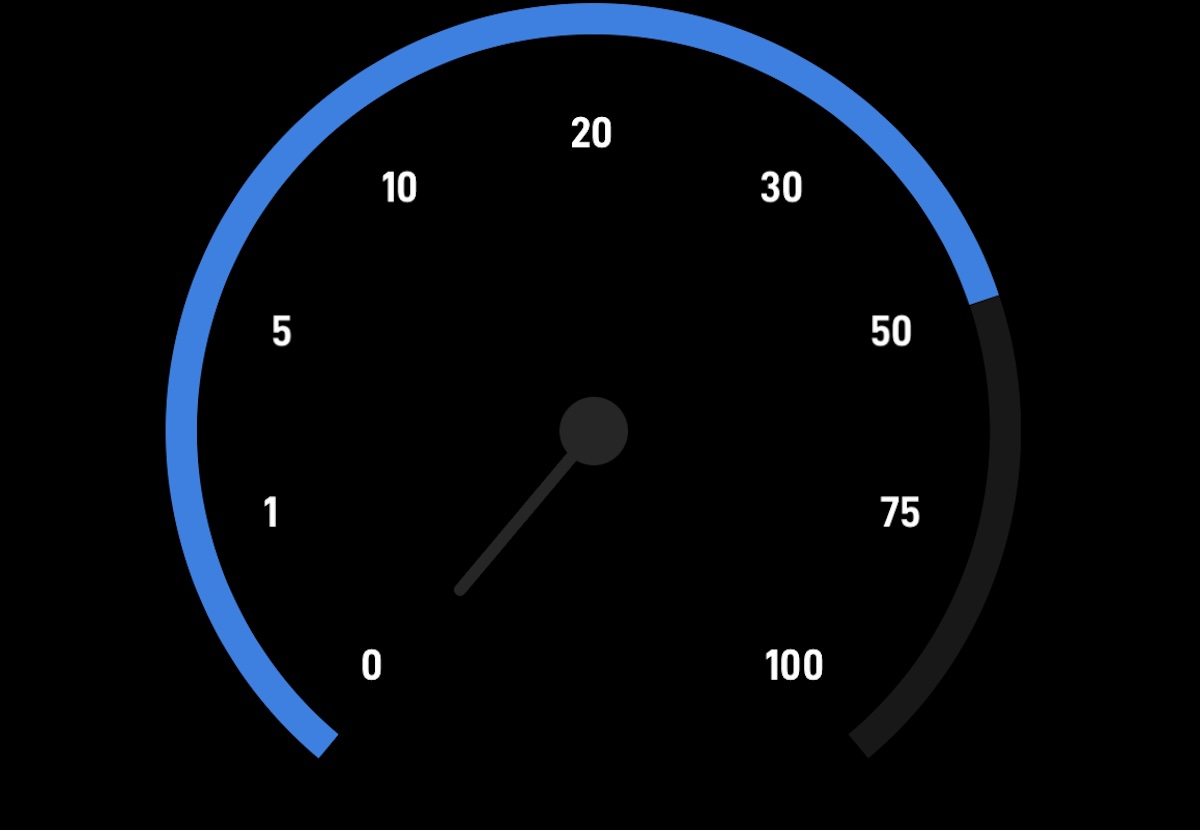
Starlink, the satellite internet service provided by SpaceX, has revolutionized internet access, especially in remote and underserved areas. With the promise of fast and reliable internet connections, Starlink has become a game-changer for many people around the world, including in Indonesia. In this post, we will take a closer look at how Starlink manages to provide a solid internet experience with 28ms latency, download speed, and upload speed, based on real-time connection tests.
How Does Starlink Provide Fast and Reliable Internet?
Starlink operates by using a network of low Earth orbit (LEO) satellites that orbit the planet at altitudes much lower than traditional geostationary satellites. This LEO satellite constellation allows for much faster data transmission times and a more reliable connection compared to older satellite internet technologies, which often suffer from high latency due to their position in space.
The key elements that allow Starlink to deliver fast and reliable internet with low latency include:
- Low Earth Orbit Satellites: Starlink satellites orbit at an altitude of around 550 kilometers (about 342 miles), compared to traditional geostationary satellites, which are placed at an altitude of 35,786 kilometers (22,236 miles). The closer proximity reduces the time it takes for data to travel between the user and the satellite, resulting in lower latency.
- Multiple Satellites and Ground Stations: Starlink’s vast network of satellites ensures a continuous and stable connection. The satellites work in conjunction with ground stations (terrestrial hubs) to route internet traffic efficiently. This network setup minimizes disruptions and ensures users have access to a reliable internet connection, even in remote areas.
- Beamforming Technology: Starlink uses advanced beamforming technology, which allows the network to dynamically focus the satellite signal on the user’s terminal (dish). This targeted signal increases the speed and reliability of the connection, even in areas where traditional broadband services might struggle.
- Global Coverage: Because the satellites orbit in a low Earth orbit, Starlink can provide internet coverage across large geographical areas, including rural and remote regions in Indonesia, where other forms of internet connectivity (such as fiber or cable) may not be available.
Real-Time Starlink Connection Test in Indonesia
To demonstrate how well Starlink performs in Indonesia, we ran a real-time connection test and measured the following results:
- Latency: 28 ms
- Download Speed: 176 Mbps
- Upload Speed: 12.2 Mbps
testing time at 8.36pm in a clear sky
Latency: 28 ms
Latency refers to the time it takes for data to travel from the user’s device to the server and back. A latency of 28 milliseconds (ms) is considered excellent, especially for satellite internet. This is one of Starlink’s most notable advantages over traditional satellite services, which often suffer from much higher latency (usually 600 ms or more). With such low latency, users can enjoy smooth video calls, online gaming, and real-time interactions without noticeable delays.
Download Speed
Starlink provides solid download speed in Indonesia, which is a solid performance for most users. This speed is fast enough for most online activities, including streaming HD or 4K videos, browsing the web, downloading large files, and using cloud-based services. While download speeds can vary based on location and network congestion, this figure is an impressive achievement for satellite-based internet, especially in remote or rural areas that might otherwise have limited broadband options.
Upload Speed
Starlink’s 11 Mbps upload speed is sufficient for activities like uploading photos and videos, video conferencing, and sharing content online. While not as high as some fiber or cable internet connections, this upload speed is more than adequate for everyday tasks and for users in rural Indonesia who may not have access to faster broadband services.
How Does Starlink Compare to Traditional Internet Services?
In many parts of Indonesia, particularly in remote areas or islands, traditional internet services such as fiber-optic or cable connections may not be available. Even where these services exist, they can sometimes offer slower speeds or experience disruptions due to infrastructure challenges.
In comparison, Starlink’s satellite-based internet offers an alternative with fast speeds, low latency, and a more reliable connection, even in areas where other internet options might be limited.
The downside of Starlink compared to traditional internet service connections is the impact of weather conditions. If heavy rain occurs, the internet connection is most likely interrupted.
Starlink’s Impact on Internet Connectivity in Indonesia
Starlink’s ability to provide fast and reliable internet with low latency and decent download and upload speeds is a game-changer, especially in rural and underserved regions of Indonesia. The 28 ms latency, download speed, and upload speed showcased in our real-time connection test prove that Starlink is capable of delivering a high-quality internet experience to users, even in areas that have long struggled with poor or no internet connectivity.
With continuous improvements to its satellite network and the expansion of its service areas, Starlink is set to transform internet access in Indonesia, offering fast, reliable, and accessible connectivity to millions who have been waiting for better internet options. Whether you’re working from home, streaming videos, or simply browsing the web, Starlink is positioning itself as a key player in the future of global internet access.