Most people assume you need a fashion degree, a wealthy backer, or a celebrity endorsement to build a nine-figure clothing empire. The founders of Tulones prove otherwise. Brothers who go by Dolla and Benji built their Atlanta-based streetwear label from the ground up, and at its peak the company pulled in more than $17 million in a single year — without ever stepping foot at an international trade show or leaning on outside investors.
Their story offers a rare, unfiltered look at what it actually takes to grow a culture-driven apparel brand: patient product development, hands-on manufacturing knowledge, and a marketing engine that grew almost by accident before the brothers ever formalized it.
From Idea to Warehouse: Ten Years in the Making
Tulones isn’t an overnight success story — it’s the product of roughly a decade of steady work. The brothers now operate out of a full warehouse and office complex complete with a break room, a regulation-style mini basketball court, and a rotating showroom of past product drops. That space wasn’t the starting point; it was the reward for years of reinvestment.
Everything the brand sells — apparel, accessories, even novelty items like branded toothbrushes and cups — is custom manufactured overseas rather than simply licensed or rebranded from existing stock. According to the founders, that distinction matters. Plenty of new entrants into streetwear slap a logo on a blank product; Tulones instead designs its items from scratch, down to the stitching and material specifications.
The Manufacturing Playbook: Pakistan vs. China
One of the more practical takeaways from the brothers’ journey is how they think about overseas production. They work with factories in both Pakistan and China, and each comes with tradeoffs. Pakistan tends to offer faster turnaround and friendlier import logistics with the U.S., while China-based sourcing — particularly for sea freight — can end up costing significantly more, even if it opens the door to more complex manufacturing, like injection-molded plastics.
That last point matters more than it might seem. Every hard-good product Tulones makes — from sunglasses to branded skateboards to their now-famous mini bikes — starts with a manufacturing mold, and mold fees aren’t cheap. A single-size toothbrush mold ran the brothers about $6,500, meaning a full size run of one product can mean paying multiple mold fees before a single unit sells. For components made of plastic, similar mold costs apply. The brothers now weigh those costs against renting versus buying manufacturing equipment outright, since injection-molding machinery itself can run into the hundreds of thousands of dollars.
This is the kind of granular, unglamorous knowledge that separates hobbyist clothing lines from real operating businesses — and it’s exactly what most first-time brand owners underestimate.
The Product That Changed Everything
Every growth story has an inflection point, and for Tulones it was something deceptively simple: a headband. Inspired by the thicker headband styles popularized by luxury and streetwear labels before them, the brothers created their own version — and sold a reported two to three thousand units within a matter of weeks, largely through direct, hand-to-hand sales.
That early product laid the foundation for a broader philosophy the brothers still follow: build a small number of “staple” items that sell consistently season after season, then rotate new graphics and colorways on top of that stable base instead of reinventing the wheel with every drop.
Scaling Through a Pandemic
The brand’s biggest single-year jump — reportedly around $20 million in gross sales — happened during a period when much of retail ground to a halt. While larger department stores were closed to foot traffic, Tulones kept shipping. The brothers describe personally packing and handing off orders to their delivery carrier during lockdown, maintaining inventory availability while competitors struggled with supply gaps. Their ecommerce infrastructure and existing customer list meant they could keep serving demand when brick-and-mortar retail couldn’t.
The Real Engine: Email, SMS, and an Organic Following
Perhaps the most underrated part of the Tulones growth story is how little of it was paid advertising. By the brothers’ own account, they had accumulated an audience of 400,000 to 500,000 subscribers before they even had a formal marketing strategy in place. Once they began actively managing email and SMS campaigns — treating the brand with the same marketing infrastructure as major athletic and streetwear labels — that existing community converted into consistent revenue, reportedly ranging from half a million to a million dollars per single sales event.
The lesson: community and product consistency built the audience; retention marketing monetized it.
What “Tulones” Actually Means
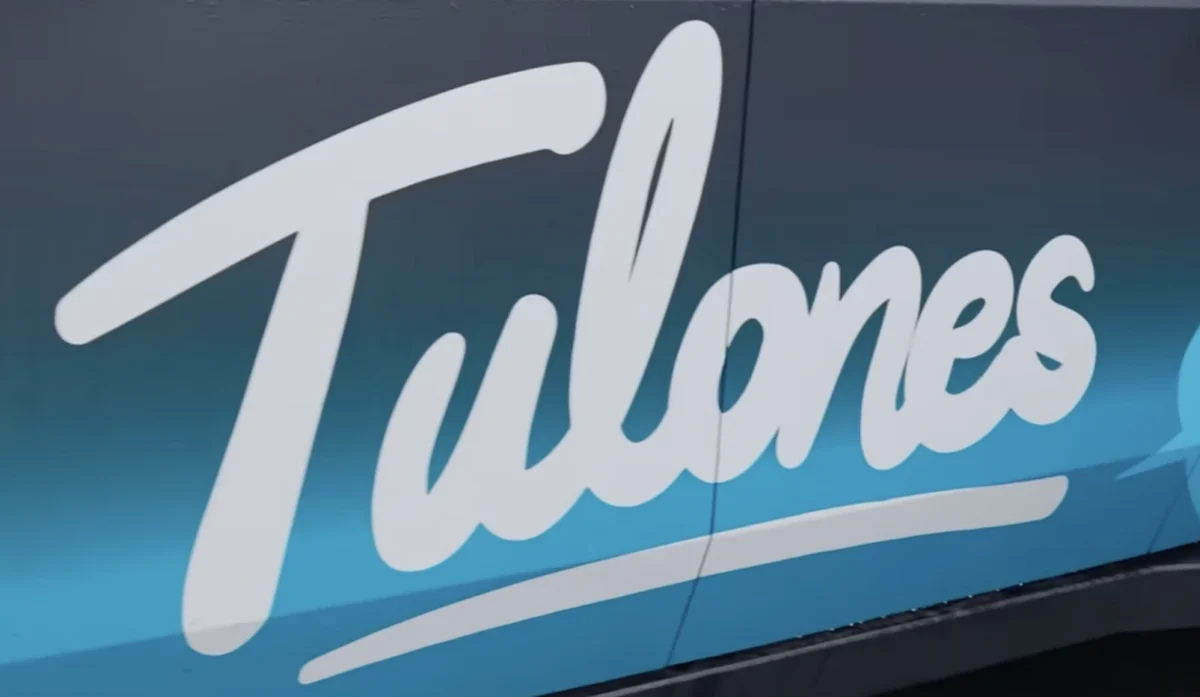
The brand name is a nod to money itself — a stylized reference to the dollar sign — which is also where the founders’ nicknames, Dolla and Benji, come from. It’s branding built on identity and culture rather than a generic label, which is part of why the audience connection has felt organic rather than manufactured.
Business Partnership as Brothers
Running a company with a sibling comes with its own dynamics. The brothers describe resolving disagreements by defaulting to data and facts rather than opinions or emotion — a simple but effective rule for keeping a fast-growing business from being derailed by personal friction.
Advice for Anyone Starting a Brand
Asked what they’d tell their younger selves, the founders’ answer was less about tactics and more about mindset: enjoy the process, stay humble, and trust that growth happens on its own timeline. They point out that most people chasing the visible signs of success — the cars, the jewelry, the warehouse — skip past the years of unglamorous groundwork that make those things possible in the first place.
Key Takeaways for Aspiring Clothing Brand Owners
- Own your manufacturing knowledge. Understanding fabric weight, stitching, and mold processes lets you negotiate better with overseas factories instead of relying on generic templates.
- Build staple products first. A small core lineup that resells season after season reduces risk compared to constant reinvention.
- Treat community as infrastructure. An engaged email and SMS list can outperform paid ads once it’s properly nurtured.
- Reinvest before you scale up visibly. The warehouse, the showroom, and the perks came after years of consistent execution — not before.
- Expect losses to be part of the model. Not every mold, product, or drop will pay off, and the founders treat that as a normal cost of learning rather than a failure.
The Tulones story isn’t a shortcut blueprint — it’s a reminder that culture-driven brands are still built on fundamentals: product quality, retention marketing, and years of consistent reinvestment.