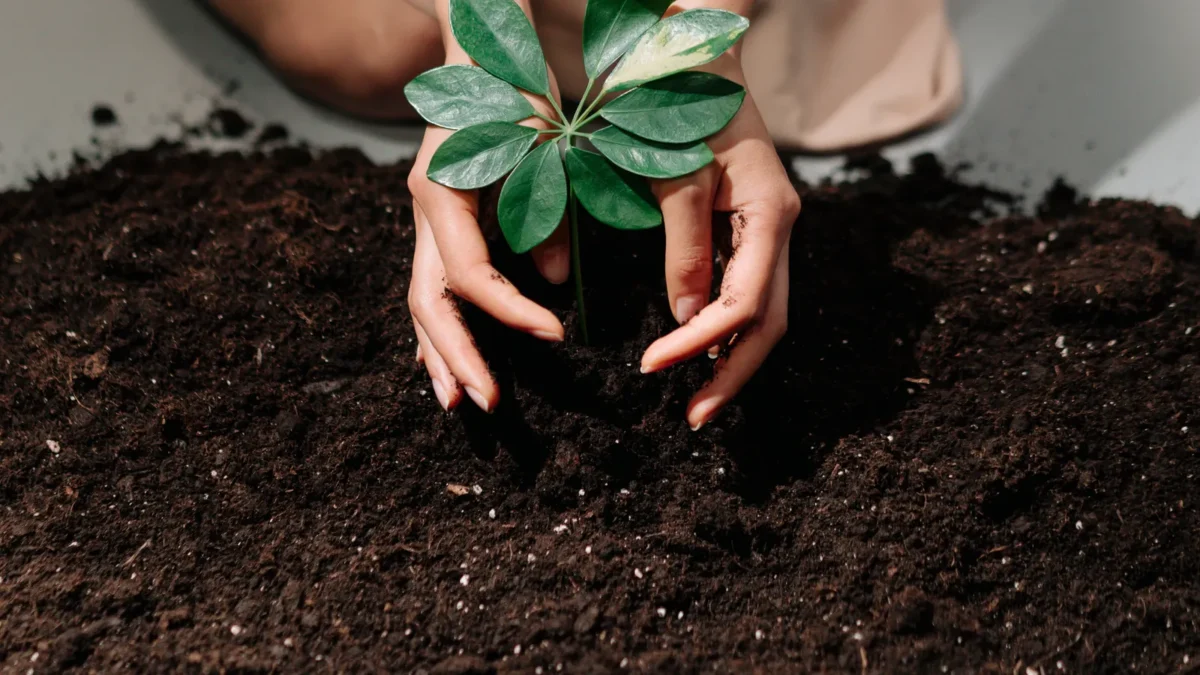
Tulips are one of the few flowers where the work you do in October decides how April looks. The bulbs go in the ground in fall, spend the winter growing roots in cold soil, and flower in spring. Plant them at the wrong depth, too early in warm soil, or in a spot that stays soggy, and you get weak stems, no flowers, or rotted bulbs.
The short answer: plant tulip bulbs when the soil at 6 inches deep has cooled to roughly 50 to 60°F, set them about 6 to 8 inches deep (three times the bulb’s height) with the pointed end up, space them 4 to 5 inches apart, water once, and add 2 to 3 inches of mulch. Gardeners in the warmest zones need one extra step: pre-chilling the bulbs in the refrigerator.
Quick Planting Guide for Tulip Bulbs
| Question | Answer |
|---|---|
| When to plant | When soil at 6 inches deep is about 50 to 60°F and nights are consistently 40 to 50°F |
| How deep | About three times the bulb’s height, typically 6 to 8 inches for standard tulips, measured from the base of the bulb |
| How far apart | About 4 to 5 inches apart, in groups of 10 or more for a fuller look |
| Which way up | Pointed end up, flat root plate down |
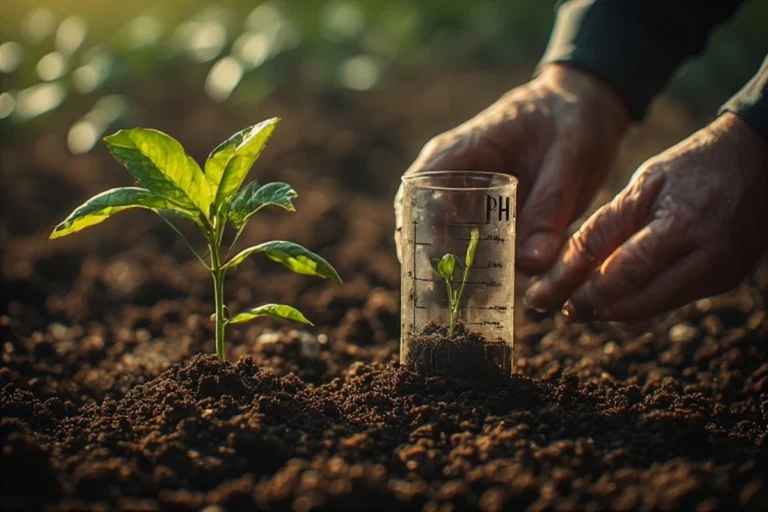
| Soil | Well-drained, pH about 6 to 7; amend heavy clay with compost |
| After planting | Water once to settle the soil, then add 2 to 3 inches of mulch |
| Cold needed | Roughly 12 to 16 weeks of cold between 35 and 45°F |
When to Plant Tulip Bulbs by Zone
Calendar dates are only a guide, because soil temperature is what matters. Tulip bulbs planted into warm soil can sprout early or rot, while bulbs planted too late may not grow enough roots before the ground freezes. The Illinois Extension notes that most hardy spring bulbs can be planted until the ground is frozen, so a late planting is usually better than skipping the season, although the flowers may be smaller or later.
According to bulb grower Longfield Gardens, typical timing by USDA hardiness zone looks like this:
| USDA zones | Typical planting window | Notes |
|---|---|---|
| 3 to 5 | Late September through October | Plant before the ground freezes hard |
| 6 to 7 | October through early November | The most common window in the Midwest and Mid-Atlantic |
| 8 to 10 | December to early January | Bulbs need pre-chilling first (see below) |
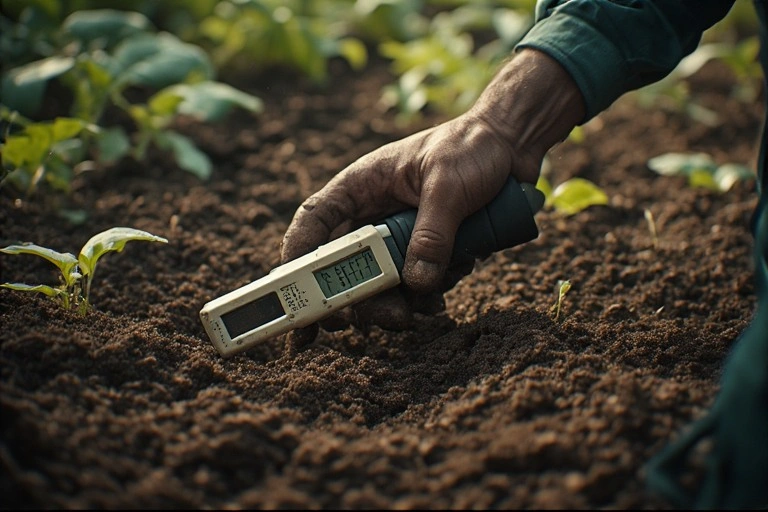
A simple way to check: push a soil thermometer 6 inches into the bed in the morning. When it reads in the 50s and falling, you are in the window. If you do not have a thermometer, wait until nighttime temperatures stay in the 40s. If you also plan to plant garlic, the same cool-soil logic applies, and our guide to planting garlic in fall covers its timing.
How Deep and How Far Apart to Plant Tulips
The standard rule is to dig a hole about three times as deep as the bulb is tall. Sources vary a little on exact numbers. Penn State Extension recommends 2.5 to 3 times the bulb height, which puts a 2-inch tulip bulb at 5 to 6 inches deep. Illinois Extension suggests roughly 8 inches for large bulbs such as tulips and daffodils. A practical range for most garden tulips is 6 to 8 inches, with the shallower end for smaller or species tulips.
Depth matters for more than looks. Deeper planting anchors the stem, keeps bulbs cooler, and makes it harder for squirrels to dig them up. Planting too shallow is a common reason tulips flop over or fail to return.
Step by step
- Pick a sunny spot. Tulips want full sun in spring. Beds under deciduous trees can work because the sun reaches the ground before the trees leaf out.
- Loosen the soil. Work it a few inches below the planting depth so roots can grow down.
- Fix drainage first. Tulip bulbs rot in wet soil. For heavy clay, mix compost or other organic matter into the top 12 to 18 inches, as Illinois Extension advises.
- Set the bulbs. Place each bulb pointed end up and about 4 to 5 inches from the next. Planting in clusters of 10 to 15 looks better than single rows.
- Backfill and water. Cover the bulbs, press the soil lightly, and water well to settle it. Natural rainfall usually handles the rest through fall.
- Mulch. Add 2 to 3 inches of mulch to even out soil temperature and hold moisture.
If You Garden in a Warm Climate: Pre-Chill Your Bulbs
Tulips need a long cold period to flower properly, roughly 12 to 16 weeks between 35 and 45°F according to Longfield Gardens. In zones 8 to 10, winter soil rarely stays that cold, so the bulbs need help.
- Store the bulbs in the refrigerator for at least 10 to 14 weeks before planting.
- Keep them away from ripening fruit, which gives off ethylene gas that can damage the flower inside the bulb.
- Plant them in December or early January, and treat them as annuals, since they may not get enough cold to come back reliably.
If you are not sure whether your winters are cold enough, our fall planting calendar by zone and frost date can help you find your first-frost timing before you decide.
Keeping Squirrels and Other Critters Away
Squirrels and chipmunks dig tulip bulbs up, and deer eat the flowers. Planting at full depth helps. The gardening site Savvy Gardening also suggests surrounding tulips with bulbs that squirrels tend to avoid, such as daffodils, grape hyacinths, crown imperials, and alliums, and topping the bed with leaf mulch. None of these methods is guaranteed, so treat them as ways to lower the odds rather than eliminate the problem.
Caring for Tulips After They Bloom
- Leave the leaves. Penn State Extension advises keeping the green foliage in place after flowering, because it feeds the bulb for next year. Cut it back only after it turns yellow.
- Fertilize if you want repeat blooms. If the bulbs stay in the same bed year after year, use a bulb-specific fertilizer.
- Divide crowded clumps. If bulbs become crowded, overgrown, or stop flowering, dig and divide them.
Fall chores overlap, so it helps to plan them together. While you are in the garden, our fall lawn care checklist covers what the grass needs before frost, and why skipping full fall cleanup can help your garden explains how fallen leaves can double as free mulch for bulb beds.
Common Tulip Planting Mistakes
- Planting too early in warm soil. Bulbs may sprout in fall and get hit by frost.
- Planting too shallow. Stems are weaker and squirrels find the bulbs more easily.
- Skipping drainage. Standing water is the fastest way to lose a bulb.
- Cutting the foliage too soon. This starves the bulb and reduces next year’s flowers.
- Forgetting the chill in warm zones. Without cold, tulips often produce short stems or no flowers.
FAQ
Can I plant tulip bulbs in November?
Yes, in many regions. Bulbs can generally go in until the ground freezes solid. Planting later gives less time for root growth, so blooms may be smaller or later, but it is better than leaving the bulbs unplanted.
How deep should tulip bulbs be planted?
About three times the bulb’s height, which is usually 6 to 8 inches for standard tulips.
Do tulip bulbs need to be watered after planting?
Water once right after planting to settle the soil. Rainfall is usually enough through fall and winter, and you only need to water again in spring if rain is scarce while the plants are growing.
Which way up do tulip bulbs go?
Pointed end up, flat root side down. Bulbs planted sideways often right themselves, but pointed end up is the safest start.
Do tulips need to be pre-chilled?
Only in warm climates, generally zones 8 to 10, where winter does not provide 12 or more weeks of cold. In colder zones, planting in fall is enough.
Conclusion
Good tulip planting comes down to timing, depth, and drainage: wait for cool soil, plant 6 to 8 inches deep with good drainage, mulch, and let the foliage die back naturally after bloom. If you live somewhere too warm for a natural chill, refrigerate the bulbs first. Do it this month, and you will have flowers when spring arrives. If you would rather see tulips at their peak somewhere else first, here is our guide to seeing the most beautiful tulips in the Netherlands.
Last updated: October 5, 2026. Sources: Longfield Gardens (timing, depth, chilling), Penn State Extension and University of Illinois Extension (depth, soil, mulch, foliage care), Savvy Gardening (critter protection). Timing varies by local weather, so check your own soil temperature and local extension office.