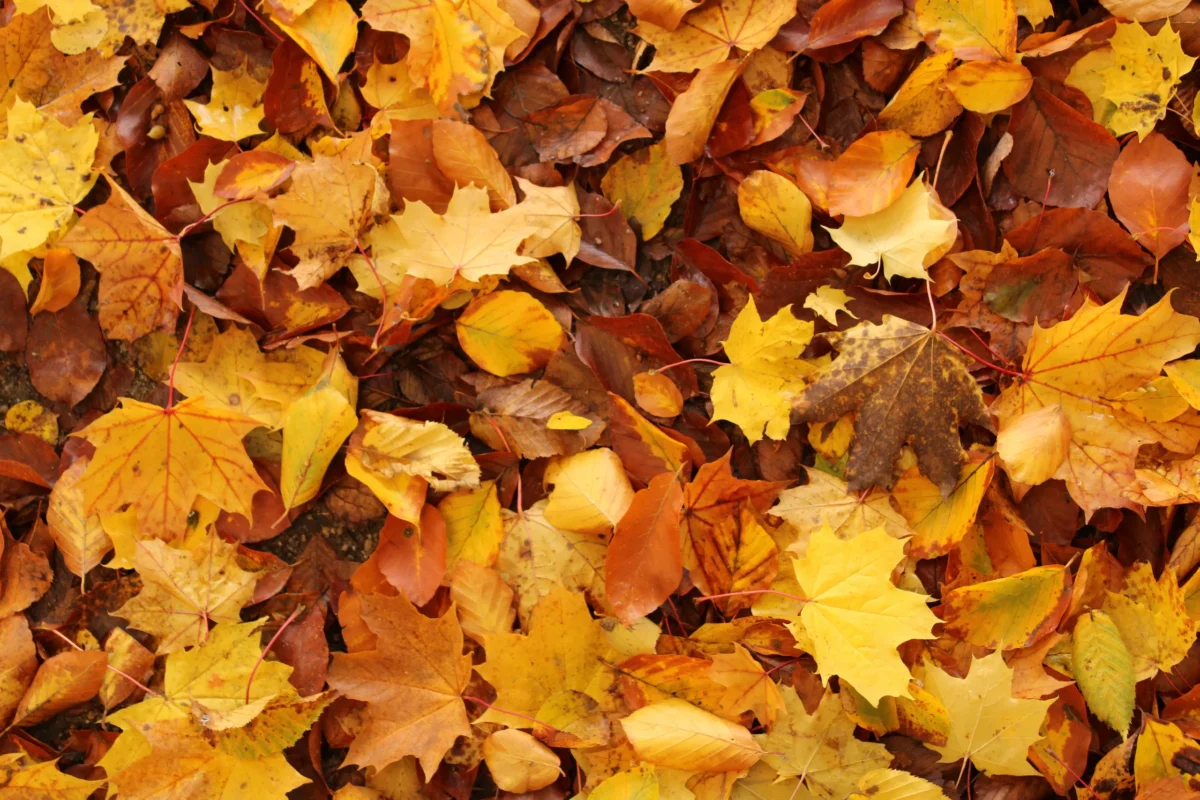
For as long as most people have owned a rake, the fall ritual has been the same: gather every leaf, bag it, and haul it to the curb before the yard looks “messy.” Horticulturists and wildlife biologists have spent the past several years quietly building the case that this is close to the opposite of good practice — that a bare, tidy fall lawn is actually a habitat that’s been emptied out right before winter, at the exact moment local wildlife needs it most.
“Leave the leaves” has become the shorthand for a broader shift in fall yard care, championed by organizations including the National Wildlife Federation and the Xerces Society, a leading invertebrate conservation group. Here’s the actual case for it — which insects and animals depend on your leaf litter right now, what happens to your lawn if you truly do nothing, and the practical middle ground that protects both your yard and the wildlife sheltering in it.
Key Takeaways
- Roughly 70% of native bee species nest in the ground, and undisturbed soil under a layer of leaves is exactly the winter cover they rely on, according to the Xerces Society.
- Luna moths and swallowtail butterflies disguise their cocoons and chrysalises as dried leaves; raking and bagging leaves in fall removes the next spring’s moths and butterflies along with them.
- Standing perennial stems left uncut over winter shelter native bee species that nest in hollow stems, not just leaves — cutting everything back in fall removes both habitats at once.
- “Leave the leaves” doesn’t mean doing nothing to your lawn: a mulching mower can chop leaves into a beneficial lawn topdressing, while whole leaves belong in garden beds, not on thick turf.
- The safest time to fully clear last season’s stems and litter is in spring, once temperatures are reliably holding above 50°F, giving overwintering insects time to emerge on their own schedule.
Why “Leave the Leaves” Became Mainstream Fall Gardening Advice
The traditional fall cleanup routine — rake every leaf, cut every perennial stem to the ground, bag it all for pickup — was never really about plant health. It was about appearance. Brandy Hall, founder and CEO of Shades of Green Permaculture, explained the shift during a September 2026 segment on rethinking fall cleanup: clearing all dead foliage “can strip essential nutrients from the ground and disrupt native wildlife habitats.” Rather than bagging fallen leaves for curbside pickup, she recommends repurposing them on-site as natural mulch, where they insulate root systems, retain soil moisture, and gradually decompose into nutrients the same beds will use next year.
That soil-and-moisture case for leaving leaves in place overlaps directly with the fundamentals covered in our guide to building a climate-resilient garden: a layer of organic material insulates soil temperature and reduces water loss whether it’s applied as mulch in July or left in place from October’s leaf drop. The wildlife case is separate, and arguably even stronger.
The Insects Relying on Your Leaf Litter Right Now
A tidy, bare fall yard isn’t a neutral choice for the wildlife that shares it — it’s the removal of a specific set of winter shelters that took an entire growing season to build. The Xerces Society’s guidance identifies several groups directly affected:
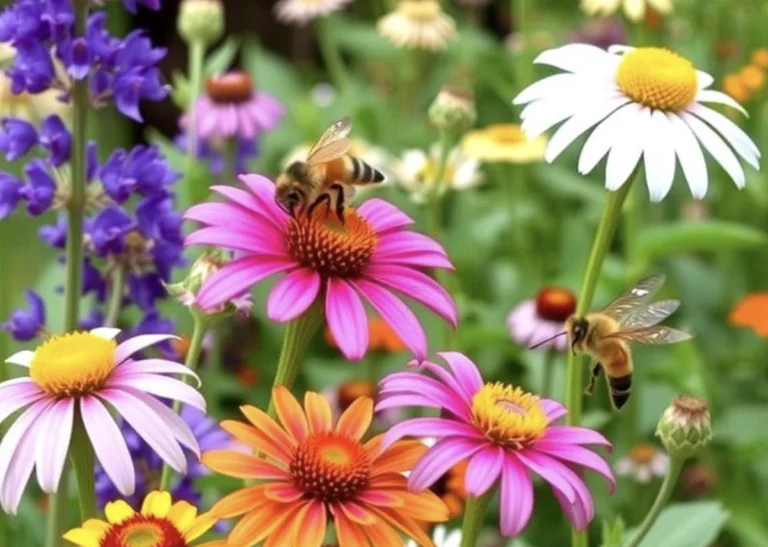
- Ground-nesting bees. About 70% of all native bee species nest in the ground rather than in hives, including polyester bees (Colletes spp.), important early pollinators of red maple, willow, and apple. A layer of leaves protects the soil surface — and the nests just beneath it — from hard freezes.
- Moths and butterflies. Luna moths and swallowtail butterflies spend winter as cocoons or chrysalises camouflaged to look exactly like dried leaves. A leaf blower or a bag headed to the curb doesn’t distinguish between an actual dead leaf and a moth’s winter disguise.
- Stem-nesting bees. Small carpenter bees (Ceratina spp.) overwinter inside dead, hollow plant stems rather than leaf litter — which is why cutting every perennial to the ground in fall removes a second, separate habitat at the same time as raking removes the first.
- Mourning cloak butterflies, one of the few butterfly species that overwinters as an adult rather than a larva or chrysalis, typically seeking shelter in brush piles and gaps in woody debris rather than leaf litter specifically.
- Decomposers. Millipedes and roly-polies (pill bugs) feed directly on decaying leaves, recycling their nutrients back into the soil food web that supports everything above it.
Fireflies belong on this list too, though for a slightly different reason: firefly larvae spend one to two years living in and around moist leaf litter and rotting wood before ever producing light as adults, according to Xerces Society research on firefly conservation — meaning a bare, mulched-to-nothing yard can suppress a local firefly population for multiple seasons, not just one.
Won’t Leaves Just Smother the Lawn?
This is the legitimate objection, and it deserves a real answer rather than being waved away: yes, a thick, wet, unbroken mat of whole leaves left on turfgrass can block light and airflow long enough to damage or kill grass underneath, particularly through a wet winter. “Leave the leaves” as conservation groups actually recommend it is not the same as “never touch your lawn again.” The practical middle ground looks like this:
- On the lawn: run a mulching mower over a light-to-moderate leaf layer to shred it into dime-sized pieces that settle between grass blades, add organic matter, and break down over winter — rather than raking and removing it entirely. This pairs directly with the grass-type-specific fall lawn timing covered in our fall lawn care checklist.
- In garden beds, under trees, and around shrubs: leave whole leaves in place, or rake them off the lawn and onto beds instead of into a yard-waste bag. This is where the wildlife and soil benefits are strongest and where turf-smothering isn’t a concern.
- On hardscapes and drainage paths: clear leaves from gutters, storm drains, and walkways as usual — the wildlife case for leaf litter applies to soil and beds, not to infrastructure that depends on drainage.
Beyond Leaves: The Rest of a Sustainable Fall Cleanup
Leaves get most of the attention, but the same rethinking applies to a few other fall habits:
- Leave standing stems and seed heads until spring. Beyond sheltering stem-nesting bees, seed heads from coneflower, black-eyed Susan, and similar perennials feed overwintering birds — a benefit separate from, and additive to, the insect habitat argument.
- Cut back irrigation as temperatures drop rather than running it on a summer schedule into November, both to save water and because cooler, dormant plants need substantially less.
- Consider a cold-hardy cover crop on bare vegetable beds instead of leaving soil exposed all winter — it suppresses weeds and stabilizes soil structure through freeze-thaw cycles, complementing the mulch role leaves play elsewhere in the yard.
None of this requires an all-or-nothing yard overhaul. Composting enthusiasts already diverting kitchen scraps from the landfill, as covered in our beginner’s guide to composting at home, can treat whole fall leaves the same way: as a free, on-site input rather than curbside waste. And gardeners already planning next year’s beds around this fall’s planting calendar and frost dates can use the same October-through-February window to gradually convert lawn edges into leaf-mulched, pollinator-friendly beds rather than doing it all in one weekend.
Does This Apply Everywhere?
A couple of caveats are worth stating plainly. In wildfire-prone regions of the West, defensible-space guidelines from local fire authorities take priority over leaf-litter conservation advice within the recommended clearance zone immediately around a home — check local fire department guidance before leaving dense leaf litter near structures. And some homeowners associations have rules governing visible yard debris; a workable compromise many gardeners use is keeping visible front-yard areas tidier while directing leaves and standing stems to less visible side and back beds — a “cues to care” approach that signals an intentionally managed yard rather than a neglected one, while still preserving genuine wildlife habitat where it matters most.
Frequently Asked Questions
Do I really need to leave every leaf on my lawn?
No. Shredding a light-to-moderate leaf layer with a mulching mower protects turf while still returning organic matter to the soil. The strongest wildlife benefits come from leaving whole leaves in garden beds and under trees and shrubs, not necessarily on the lawn itself.
When is it safe to clean up leaves and cut back stems in spring?
Most conservation guidance recommends waiting until daytime temperatures are consistently above 50°F, which gives overwintering insects — including bees still in the soil and moths still in chrysalis form — a chance to emerge naturally before their winter shelter is disturbed or removed.
Does leaving leaves attract pests or rodents?
A thin-to-moderate layer of leaves in garden beds is not a significant rodent attractant on its own; rodent activity is driven much more by food sources (like exposed bird seed or pet food) and structural entry points than by leaf litter specifically. Very thick, consistently wet piles directly against a home’s foundation are the one situation worth avoiding.
What’s the single most impactful change I can make this fall?
Based on the species most directly affected, leaving standing perennial stems uncut until spring and moving raked leaves onto garden beds instead of bagging them for pickup are the two highest-impact, lowest-effort changes — they protect both ground-nesting and stem-nesting bees, plus overwintering moths and butterflies, without requiring any change to lawn maintenance itself.
The Bottom Line
A perfectly bare, raked fall yard isn’t a sign of good gardening — for the pollinators, moths, and beneficial insects that spend the winter in leaf litter and hollow stems, it’s a habitat removed right before they needed it most. The fix doesn’t require abandoning yard care altogether: mulch-mow the lawn, redirect whole leaves to garden beds, leave perennial stems standing until spring warms up, and save the full cleanup for a season when the wildlife sheltering in last year’s growth has already moved on.