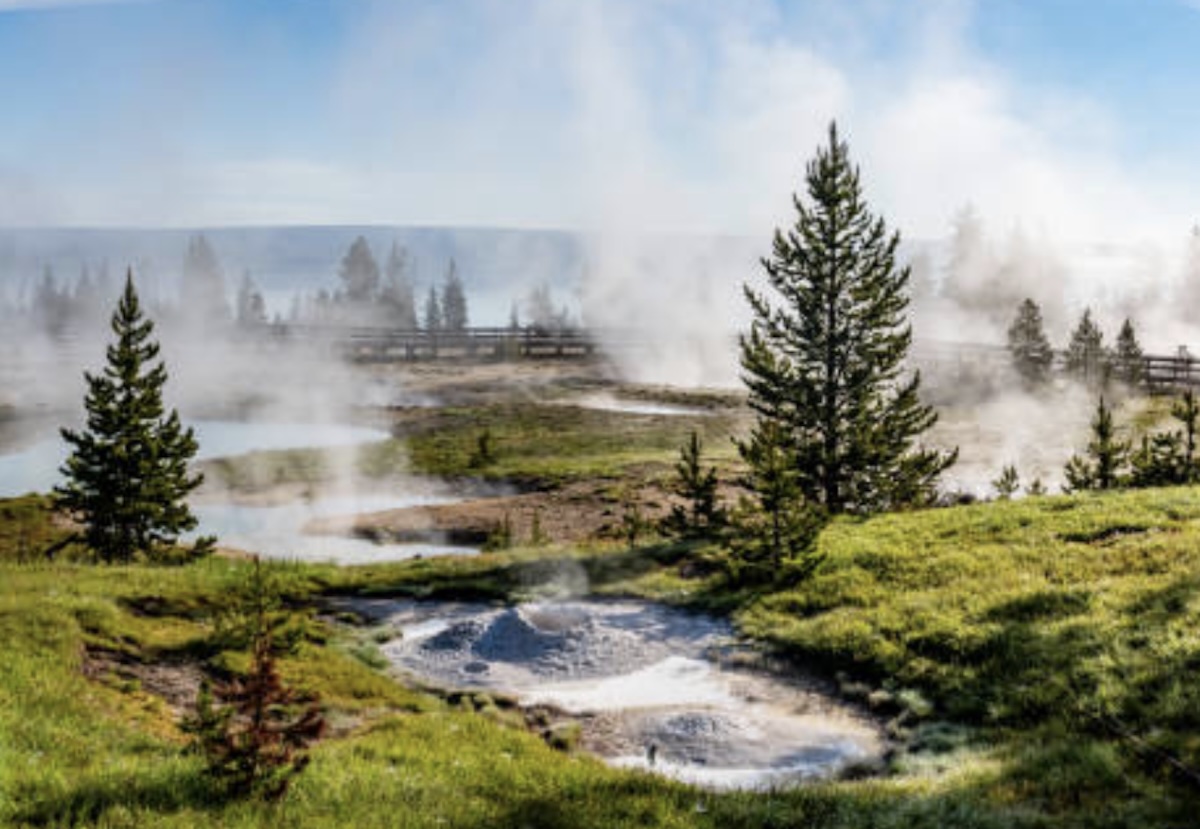
Planning a trip to Yellowstone National Park is like planning a journey to another world. It’s a land of superheated water, majestic wildlife, and deep, dark forests. But with over 2.2 million acres to explore, the planning itself can feel as vast as the park. You’re asking all the right questions: When is the best time to visit Yellowstone? How many days should you spend? And perhaps most importantly, what are the top things to do whether you’re solo, on a romantic getaway, or with excited children in tow?
Let’s walk through the answers together, transforming those questions into the blueprint for your unforgettable adventure.
When is the Best Time to Visit Yellowstone? The Park’s Four Personalities
Yellowstone doesn’t have one “best” time—it has four distinct seasons, each offering a radically different experience. The best time for you depends on what you want to see and do.
- Summer (June – August): The Classic Experience
- Pros: All roads, services, and attractions are open. This is the best time for hiking, wildlife spotting (though animals can be deeper in the woods to escape the heat), and accessing the full park. The weather is warm and pleasant.
- Cons: This is peak season. Crowds are at their highest, and popular boardwalks can feel like sidewalks at rush hour. Lodging books up a year in advance.
- Vibe: Energetic, bustling, and full of life.
- Fall (September – October): The Photographer’s Dream
- Pros: Crowds thin dramatically. The elk enter their thrilling rutting season, with bull elk bugling echoing through the valleys. Golden aspens contrast against evergreen forests, creating stunning landscapes.
- Cons: Weather becomes unpredictable, with snow possible from September onward. Services and roads begin to close for the season in phases.
- Vibe: Crisp, dramatic, and romantic.
- Winter (November – March): The Silent Wonderland
- Pros: A true Arctic adventure. The landscape is blanketed in snow, geyser steam hangs thick in the air, and wildlife gathers in the valleys, making them easier to spot. Access is limited to oversnow vehicles (snowcoaches and snowmobiles) or skiing/snowshoeing, creating a profound sense of solitude.
- Cons: Only the road from the North Entrance to the Northeast Entrance is open to regular vehicles. Most park roads are closed to wheeled vehicles. It’s extremely cold.
- Vibe: Peaceful, surreal, and pristine.
- Spring (April – May): The Season of Rebirth
- Pros: Witness the park wake up. Newborn bison calves (red dogs) and elk calves appear. Waterfalls are thunderous with snowmelt. Crowds are still light until Memorial Day.
- Cons: This is “mud season.” Many roads and services are still closed. Weather is a rollercoaster of sun, rain, and snow.
- Vibe: Raw, unpredictable, and hopeful.
How Many Days Should You Spend in Yellowstone? Don’t Rush the Magic
Yellowstone is larger than Rhode Island and Delaware combined. Trying to see it in a day is like trying to read a novel by glancing at a few random pages.
- The Minimum: With 2-3 days, you can drive the Grand Loop and see the major highlights: Old Faithful, Grand Prismatic Spring, Yellowstone Falls, and Hayden or Lamar Valley for wildlife. It’s a fantastic sampler.
- The Recommended Sweet Spot: 4-5 days is ideal. This allows you to explore each of the park’s major “countries” (Geyser Country, Canyon Country, Lake Country, etc.) at a relaxed pace, enjoy a few hikes, and wait for wildlife without feeling rushed.
- The Deep Dive: If you’re an avid hiker, photographer, or simply want to immerse yourself fully, a week or more will let you discover hidden trails, revisit favorite spots at different times of day, and truly disconnect.
What are the Top Things to Do in Yellowstone? (For Solo Travelers, Couples, & Families)
The park offers endless possibilities, but here’s how to tailor your visit:
For Solo Travelers:
- Chase the Light: Sunrise at Hayden Valley or sunset at Lamar Valley offer unparalleled photography and solitude.
- Take a Ranger-Led Program: Dive deep into the park’s science and history while connecting with fellow enthusiasts.
- Embark on a Backcountry Hike: Find your own adventure on trails like the Mystic Falls Loop or the hike to Fairy Falls overlook for the best view of Grand Prismatic.
For Couples:
- A Romantic Soak: Book a reservation at the historic Boiling River (if open) or nearby Chico Hot Springs for a soak under the stars.
- Stay in a Historic Lodge: Book a room at the Old Faithful Inn (a national historic landmark) for an unforgettable, rustic-chic experience.
- Picnic by a Waterfall: Pack a lunch and find a quiet spot near the powerful Lower Falls of the Yellowstone River.
For Families with Children:
- Become a Junior Ranger: Pick up a booklet at any visitor center. It’s a fantastic, educational way to keep kids engaged.
- Geyser-Gazing: Time your visits around predictions for Old Faithful, Grand, and Castle Geysers. The anticipation makes the eruption even more exciting!
- Wildlife Bingo: Create a checklist of animals to spot (bison, elk, bear [from a safe distance!], bald eagle, wolf [with binoculars]). It turns long car rides into a fun game.
Where to Stay In or Near Yellowstone National Park & Can You Camp Inside?
Yes, you can absolutely camp inside Yellowstone! In fact, it’s one of the best ways to experience the park. The park operates 12 campgrounds with over 2,000 sites. Some, like Madison and Fishing Bridge RV Park, can be reserved well in advance (and should be!). Others, like Norris and Mammoth, are first-come, first-served. Falling asleep to the sound of a nearby river is pure magic.
For those who prefer four walls and a roof, your options are inside or outside the park:
- Staying Inside the Park (Highly Recommended):
- Pros: You are immersed in the experience. You can enjoy the park during the magical, crowd-free early morning and evening hours.
- Cons: Books up extremely early (often a year in advance) and is generally more expensive.
- Options: Iconic hotels like the Old Faithful Inn and Lake Yellowstone Hotel, or more rustic lodges like Canyon Lodge or Roosevelt Lodge.
- Staying in a Gateway Town:
- Pros: More variety in lodging and dining, often more availability, and can be more budget-friendly.
- Cons: You will have significant drive time to enter the park and reach attractions each day (30-90 minutes each way).
- Options: West Yellowstone (MT), Gardiner (MT), Cody (WY), or Jackson (WY).
No matter how you choose to experience it, Yellowstone is waiting to leave you awestruck. By answering these questions now, you’re not just planning a trip—you’re preparing for a journey into the heart of one of the world’s last great wild places.