The first time you stand at the South Rim and gaze across the Chisos Mountains, you understand why Big Bend feels like another planet. The desert stretches endlessly in every direction, painted in hues of burnt orange, deep red, and purple as far as the eye can see. In the distance, the Rio Grande carves a winding path through canyons that glow gold at sunset. This isn’t just a park—it’s a vast, untamed wilderness that captures the imagination and reminds us of nature’s raw power.
If you’re considering a holiday activity in Texas that offers genuine adventure, Big Bend National Park deserves your attention. Let me guide you through this magnificent landscape with practical advice for first-time visitors.
Where is Big Bend National Park Located?
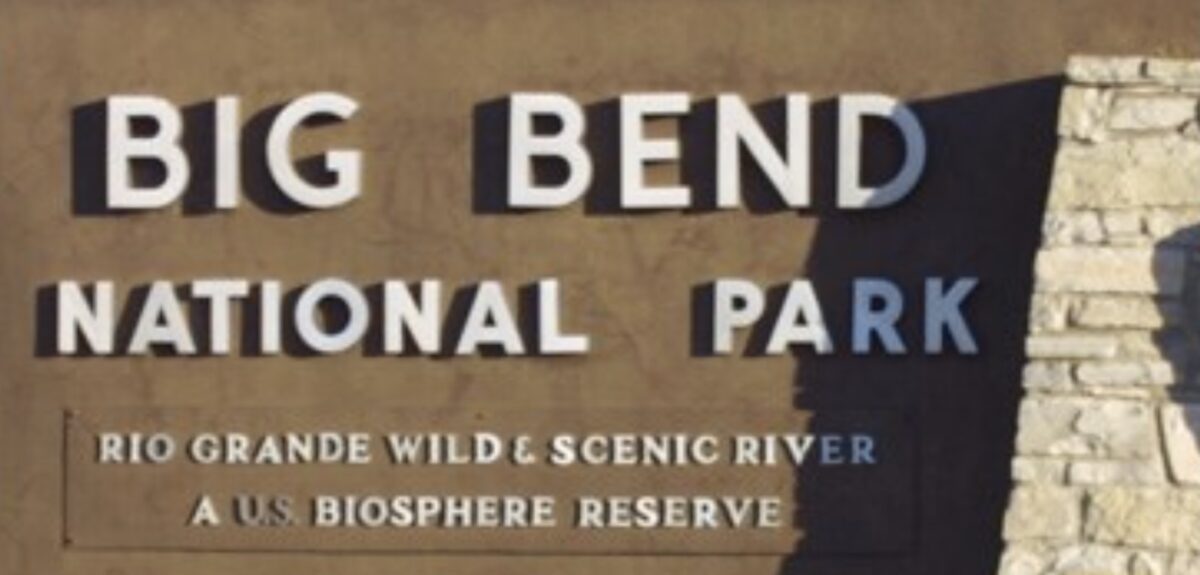
Big Bend National Park occupies a massive 801,163 acres in far West Texas, along the border with Mexico. The park is located approximately:
- 300 miles southeast of El Paso
- 250 miles south of Midland/Odessa
- 500 miles west of San Antonio
- 700 miles west of Houston
Its remote location contributes to both its challenges and its magic—this is one of the least visited yet most spectacular national parks in America. The journey to Big Bend is part of the experience, taking you through vast, empty landscapes that feel worlds away from city life.
Why Big Bend is One of America’s Best National Parks
Big Bend earns its reputation as a crown jewel of the National Park System for several compelling reasons:
Extraordinary Diversity: The park protects three distinct environments—the Chihuahuan Desert, the Chisos Mountains, and the Rio Grande river ecosystem. This variety creates unparalleled opportunities to experience different worlds in one park.
World-Class Stargazing: Recognized as an International Dark Sky Park, Big Bend offers some of the clearest night skies in the lower 48 states. The Milky Way appears with breathtaking clarity, often visible to the naked eye.
Spectacular Geology: From the towering Santa Elena Canyon to the fossil-rich formations, the park tells a billion-year story of geological transformation.
Solitude and Space: Unlike crowded parks like Yellowstone or Yosemite, Big Bend offers genuine solitude. You can hike for hours without seeing another person, creating a profound sense of connection with nature.
Free Entry Days and Fees
Big Bend National Park charges an entrance fee of $30 per vehicle (valid for 7 days). However, the park participates in the National Park Service’s free entry days, which typically include:
- Martin Luther King Jr. Day (January)
- First day of National Park Week (April)
- Anniversary of the Great American Outdoors Act (August)
- National Public Lands Day (September)
- Veterans Day (November)
Additionally, holders of annual passes like the America the Beautiful Pass ($80) receive free entry.
Family Facilities and Activities
Despite its rugged nature, Big Bend offers several family-friendly opportunities:
Junior Ranger Program: Children can complete activities to earn a Big Bend Junior Ranger badge—an excellent way to engage young visitors with the park’s natural and cultural history.
Easy Hikes: The Santa Elena Canyon Trail (1.7 miles round trip) and Window View Trail (0.3 miles) offer accessible, rewarding experiences for families.
Visitor Centers: The Panther Junction, Chisos Basin, and Castolon visitor centers feature educational exhibits, bookstores, and helpful rangers who can recommend age-appropriate activities.
Ranger Programs: The park offers guided walks, evening programs, and seasonal activities that help families connect with the park’s resources safely.
Should You Visit with a Toddler?
Visiting Big Bend with a toddler requires careful planning but can be rewarding. Consider these factors:
Challenges:
- Extreme temperatures (often exceeding 100°F in summer)
- Long distances between facilities
- Limited shade on trails
- Rugged terrain not suitable for strollers
- Remote location far from medical facilities
Recommendations:
- Visit between October and April when temperatures are milder
- Stay at the Chisos Mountains Lodge for easiest access to amenities
- Focus on short, easy trails early in the morning
- Always carry extra water, snacks, and sun protection
- Consider a child carrier backpack instead of a stroller
If your toddler is accustomed to outdoor adventures and you’re prepared for the challenges, Big Bend can be a memorable family experience. For families with very young children, however, a state park with more amenities might be less stressful.
Important Safety Warnings and Tips
Extreme Weather: Big Bend experiences dangerous heat from May through September. If you must visit during this time, hike only in the early morning and drink at least one gallon of water per person per day.
Distance Awareness: Services are limited and far apart. Fill your gas tank before entering the park (gas is available at Panther Junction but expensive). Carry emergency supplies including extra water, food, and a first-aid kit.
Wildlife Precautions: This is mountain lion, bear, and rattlesnake country. Make noise while hiking, keep children close, and know how to respond to encounters. Never approach wildlife.
Border Considerations: Since the park borders Mexico, be aware of border patrol activity and avoid hiking near the river at night. Carry identification at all times.
Road Conditions: Many park roads are unpaved and require careful driving. Check conditions at visitor centers before venturing onto remote roads, especially after rain.
Cell Service: Assume you will have no cell service throughout most of the park. Download maps and information beforehand, and inform someone of your itinerary.
Making the Most of Your Visit
Best Time to Visit: November through April offers the most comfortable temperatures. Wildflowers typically bloom in April, creating spectacular displays.
Where to Stay: Options include the Chisos Mountains Lodge (inside the park), campgrounds (reserve well in advance), or accommodations in nearby Terlingua (20-40 minutes from park entrances).
Must-See Highlights:
- Santa Elena Canyon for breathtaking views
- The Window Trail at sunset
- Ross Maxwell Scenic Drive for panoramic vistas
- Hot Springs Historic District for a relaxing soak (check current conditions)
- Stargazing from anywhere in the park after dark
Sample Itineraries:
- 1-day visit: Ross Maxwell Drive, Santa Elena Canyon, and Chisos Basin
- 3-day visit: Add more hiking, river activities, and stargazing
- 5+ days: Explore backcountry routes and remote areas
Why Big Bend Is Worth the Journey
The remoteness that makes Big Bend challenging to visit is precisely what makes it extraordinary. In an increasingly developed world, this vast wilderness offers something rare: true solitude, breathtaking vistas, and the opportunity to disconnect completely from modern life.
Standing beneath a sky overflowing with stars, hiking through canyons carved over millennia, or simply watching the colors change on the Chisos Mountains at sunset—these experiences stay with you long after you’ve returned home.
With proper planning and realistic expectations, Big Bend National Park offers an unforgettable adventure that showcases the wild heart of Texas at its most magnificent. Just remember to respect the desert’s power, come prepared, and let this incredible landscape work its magic on you.