Why Container Homes Are Having a Moment
Between rising construction costs, longer traditional build timelines, and growing interest in flexible, relocatable living spaces, prefabricated container homes have moved from a niche novelty into a genuinely mainstream housing and workspace option. Rather than pouring a foundation and framing a structure on-site over months, a prefab container unit arrives largely pre-built, engineered to assemble in days rather than seasons.
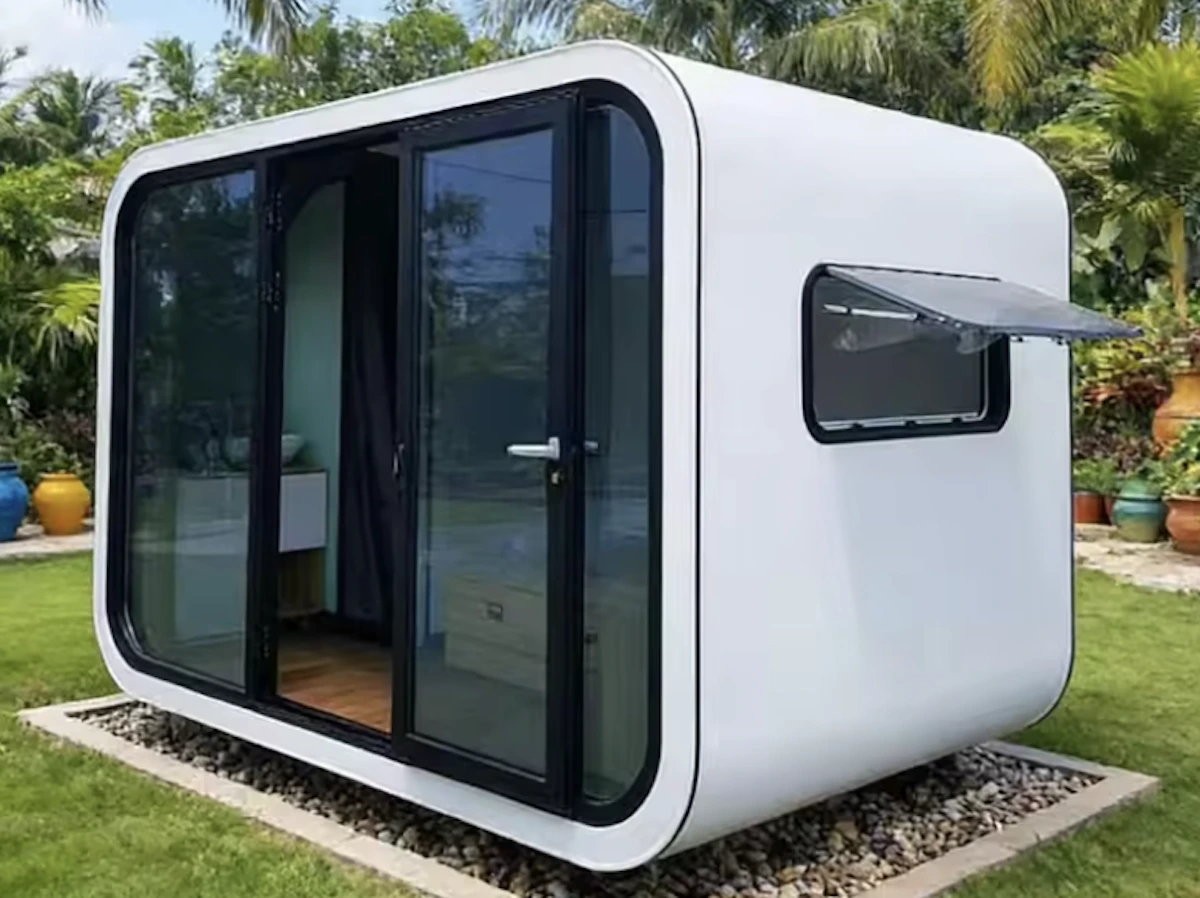
One example currently available is a 20ft/30ft/40ft transportable container house, priced at US $6,801.88, built around a galvanized steel frame with a powder-coated finish. It’s worth understanding exactly what that kind of unit includes, and what to check before committing to one, since a purchase at this scale deserves more diligence than an ordinary online order.
Core Construction and Materials
The structural frame is made from galvanized steel with a powder-coated finish, a combination chosen specifically for corrosion resistance and long-term durability, particularly relevant for units that may sit outdoors year-round or get relocated between sites. The design also incorporates heat-treated wood components, adding a waterproofing layer intended to protect against weather exposure while helping the unit hold its structural shape across varying climates.
Size and Customization Options
The unit is available in three standard footprints, 20ft, 30ft, and 40ft, giving buyers a meaningful range between a compact single-room space and a considerably larger footprint suited to full living or working use. Beyond size, the listing offers customizable thickness options and multiple color and styling configurations, including branded design options like “Big Apple Space” and “Little Apple Capsule” for buyers wanting a more distinctive finish rather than a purely utilitarian look.
Assembly and Transport
This is explicitly built as an expandable, foldable structure designed for quick assembly, intended for both temporary and permanent use cases. Because it folds down for transport, it’s designed to move via standard container shipping logistics, which matters a great deal for total cost: shipping a bulky, fully assembled structure internationally is dramatically more expensive and complicated than shipping a compact, foldable unit that expands on-site.
Where This Kind of Structure Actually Makes Sense
Based on the manufacturer’s own use-case guidance, this style of modular unit is commonly deployed for:
- Backyard studios or garden rooms
- Standalone storage buildings
- Temporary housing or workforce accommodation
- Tourism and hospitality use, including homestays and glamping-style setups
- Remote or rugged site deployment, including mountain, coastal, or desert locations that don’t easily support conventional foundation work
- Emergency or temporary shelter, and short-term exhibition or event space
Sustainability Angle
The manufacturer positions this line as an environmentally conscious building option: constructed from recyclable materials without high-concern chemicals, and reportedly built with over 90% recyclable material content by weight. For anyone specifically prioritizing a lower-impact building choice, that recyclability claim, and the fact the structure can reportedly be disassembled and relocated rather than demolished, is a genuinely relevant differentiator compared to conventional stick-built construction.
Performance Claims Worth Verifying
The manufacturer states the unit is engineered to meet Grade 8–10 wind resistance and Grade 7 seismic resistance standards, with insulation layers (rock wool or polyurethane) in the walls and double-layer hollow glass in the windows and doors for thermal and sound insulation. These are meaningful claims if accurate, and worth specifically requesting documentation or test certificates for before purchase, particularly if you’re in a region with strict local building or seismic codes.
What Buyers Are Actually Asking (Straight From the Manufacturer’s Own Q&A)
A few of the most practically useful points from the manufacturer’s published buyer questions:
Delivery timing: Standard configurations reportedly ship in 15–30 working days, with fully customized versions taking 30–45 working days depending on design complexity.
Assembly difficulty: The company states most units can be fully assembled in 1–2 days using included manuals and video guides, with an optional professional installation team available on request, worth asking about directly if you don’t have hands-on construction experience.
Certification and customs: The manufacturer states it holds CE certification and provides a full set of export documentation, including a packing list, commercial invoice, and sales contract, which matters significantly for clearing customs in your destination country. Confirm this documentation explicitly before finalizing any order.
Warranty coverage: Free replacement parts and remote installation guidance are stated as standard during the warranty period, with on-site maintenance available depending on contract terms; consumable parts, damage from misuse, and force majeure events are excluded.
Utilities and smart features: The manufacturer states the units support pre-embedded water and electrical systems, with options to connect to municipal utilities or independent solar and battery storage, plus optional smart home controls for lighting, climate, and security.
Important Considerations Before You Buy
A purchase like this is genuinely different from a typical online order, and a few things are worth checking carefully rather than assuming:
- Local building and zoning regulations vary enormously by country and even by municipality. While the manufacturer notes these are generally treated as temporary or mobile structures with fewer permitting requirements, that’s a claim to verify directly with your own local authorities before ordering, not something to take purely on the seller’s word.
- International shipping timelines and costs are separate from the unit price. The listed price reflects the unit itself; confirm shipping method, incoterms, and estimated landed cost, including any import duties, before treating the sticker price as the full cost.
- Request documentation, not just claims. For wind resistance, seismic rating, and CE certification specifically, ask for the actual certificates or test reports rather than relying on marketing copy alone, especially for a structure you intend to live or work in.
- Clarify warranty terms in writing, particularly what counts as a “core structural issue” eligible for on-site repair versus a consumable or user-caused issue that isn’t covered.
Is a Prefab Container Home Right for You?
If you need a flexible, relatively fast-to-deploy structure, whether that’s a home office, guest studio, storage building, or small-scale accommodation unit, and you’re comfortable managing international shipping logistics and confirming local compliance yourself, this style of modular container home offers a genuinely compelling alternative to conventional construction. It’s less turnkey than buying a finished local structure, but it offers a level of customization, portability, and cost control that traditional building methods generally can’t match.
View the full product listing and current pricing here →
Frequently Asked Questions
How long does it take to assemble a prefab container house?
The manufacturer states most standard units can be fully assembled in 1 to 2 days using the included instructions, with professional installation teams available on request for an additional cost.
Do I need a building permit for a container home?
This varies significantly by country and local jurisdiction. While these structures are often treated as temporary or mobile and may face fewer requirements than permanent construction, you should confirm specific requirements with your local building authority before purchasing.
What sizes are available?
This unit comes in three standard sizes: 20ft, 30ft, and 40ft, with customizable thickness and finish options available.
Affiliate Disclosure: This post contains an affiliate link. If you make a purchase through it, this blog may earn a small commission at no extra cost to you. Product specifications, certifications, and performance claims are based on the manufacturer’s own listing and have not been independently verified — buyers should request supporting documentation and confirm local regulatory requirements before purchasing.