Last updated: October 31, 2026. This guide is general consumer-safety information based on advice from the U.S. Federal Trade Commission (FTC). It is not legal or financial advice and is not affiliated with the FTC or any retailer. Scam tactics change quickly, so check the FTC’s consumer site for the latest alerts.
Black Friday falls on Friday, November 27, 2026, and Cyber Monday follows on November 30. Those are the days when a “too good to be true” price is most tempting, and when scammers put the most effort into fake stores and look-alike ads. The good news is that a short checklist stops most of the common traps. This guide walks through what the FTC advises, how to check a store you have never heard of, and what to do if something goes wrong.
The Quick Answer: A Five-Step Safety Check
- Be wary of social media ads. The FTC warns that scammers impersonate real companies and advertise brand-name products at unusually low prices. The ad can lead to a fake site that takes your money and sends a counterfeit, a very different product, or nothing.
- Research the seller first. Search the seller’s name and the site’s web address together with words like “review,” “complaint” or “scam.”
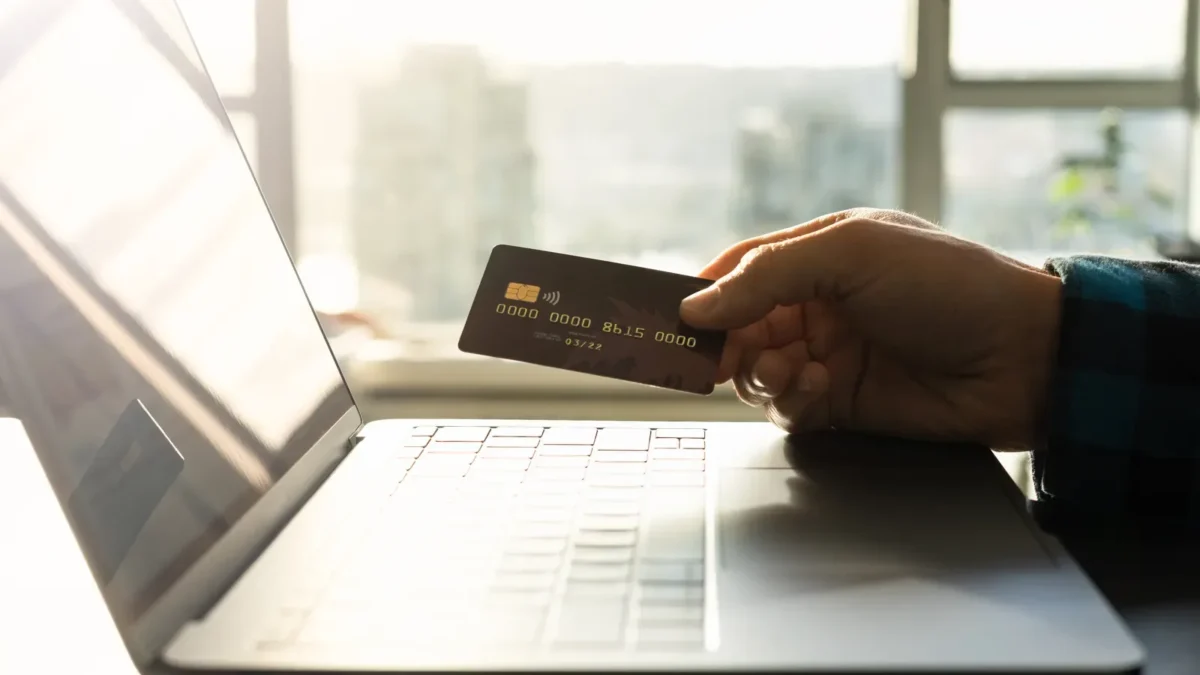
- Pay by credit card when you can. The FTC says a credit card gives you the strongest protection because you can dispute charges for double billing, items you never received, or wrong or damaged items.
- Treat unusual payment demands as a red flag. If a seller insists on a gift card, wire transfer, payment app or cryptocurrency, it is probably a scam.
- Keep records. Save the receipt, order confirmation number, the seller’s name and website, and the shipping promise.
How Fake Deal Sites Usually Look
No single sign proves a site is fake, but several together should make you stop. Look for:
- Prices far below every other retailer on a popular item, especially a new gadget, console or designer brand.
- A web address that is almost a real brand. Extra words, swapped letters or an unusual ending (for example a store name followed by “-deals”) are common tricks. Type the retailer’s address yourself instead of clicking an ad.
- No clear contact details or return policy, or policies that look copied and vague.
- Only odd payment options. Real retailers accept major credit cards.
- Reviews that read as generic. The FTC advises looking at where a review was posted, who wrote it and the reviewer’s history instead of trusting star ratings alone.
A padlock or “https” in the address bar is not proof of safety. The FTC notes that scammers can use encryption too, so it only tells you the connection is encrypted.
How to Check a Store You Have Never Heard Of
- Search the store name plus “complaint” or “scam” and read results from several sources.
- Compare the total cost, including shipping, taxes and fees, and read the fine print. Terms like “refurbished” or “close-out” can signal an item that is not new.
- Check who pays return shipping, how many days you have to return something and whether there is a restocking fee.
- If the deal is on a big brand’s product, go to the brand’s own website and see whether the same offer appears there.
Pay Safely: Why Credit Cards Come First
According to the FTC, if you are double-charged, billed for something you never received, or sent a wrong or defective item, call your credit card company right away. The agency also advises sending a letter within 60 days of the first bill that shows the error, and asking the company to temporarily withhold payment while it investigates. Debit cards, payment apps and gift cards often give you fewer protections, so keep them for sellers you already trust.
Shipping Rules You Should Know
The FTC says sellers must ship by the date they or their ad state. If they do not, they must give you the chance to get your money back. Use order tracking where it is offered, and be careful with unexpected delivery messages: instead of tapping a link in a text or email, open the retailer’s or carrier’s official site or app yourself and enter your order number.
Scams That Go Beyond Shopping
Holiday scammers do not only run fake stores. Phone and message scams spike around the same time, including cloned voices used to pressure family members. Our report on AI voice cloning scams and what the FBI’s data shows explains the warning signs. Strong account security also matters if a shopping site is breached, and our guide to passkeys versus passwords shows how to log in more safely. If you want to know how big the shopping season is expected to be, see our summary of Adobe’s holiday ecommerce forecast. And if you plan to upload photos to try on clothes online, read what to check before using ChatGPT Try On.
What to Do If You Think You Were Scammed
- Call your card issuer immediately to dispute the charge and, if needed, replace the card.
- Change passwords for any account you entered on the fake site, and turn on two-step verification.
- Save evidence: screenshots of the ad, the site, your order and any messages.
- Report it to the FTC at ReportFraud.ftc.gov. The agency also suggests trying to resolve problems with the seller or site owner first when the seller appears to be a real business.
Frequently Asked Questions
When is Black Friday 2026?
Friday, November 27, 2026. Cyber Monday is November 30.
Is it safe to click Black Friday ads on social media?
Be careful. The FTC warns that scammers impersonate real brands in ads. Search for the retailer yourself and go to its official site instead.
What is the safest way to pay online?
A credit card, according to the FTC, because you can dispute charges for errors, missing items and defective goods.
Does “https” mean a shopping site is legitimate?
No. It only means the connection is encrypted, and scammers can use encryption too.
Where do I report an online shopping scam?
At ReportFraud.ftc.gov, the FTC’s reporting site.
Sources: Federal Trade Commission, “How to avoid an online shopping scam this holiday season” (consumer.ftc.gov, November 2025) and “Online Shopping” (consumer.ftc.gov/articles/online-shopping). Black Friday date per our Black Friday email marketing guide. Advice may be updated by the FTC.