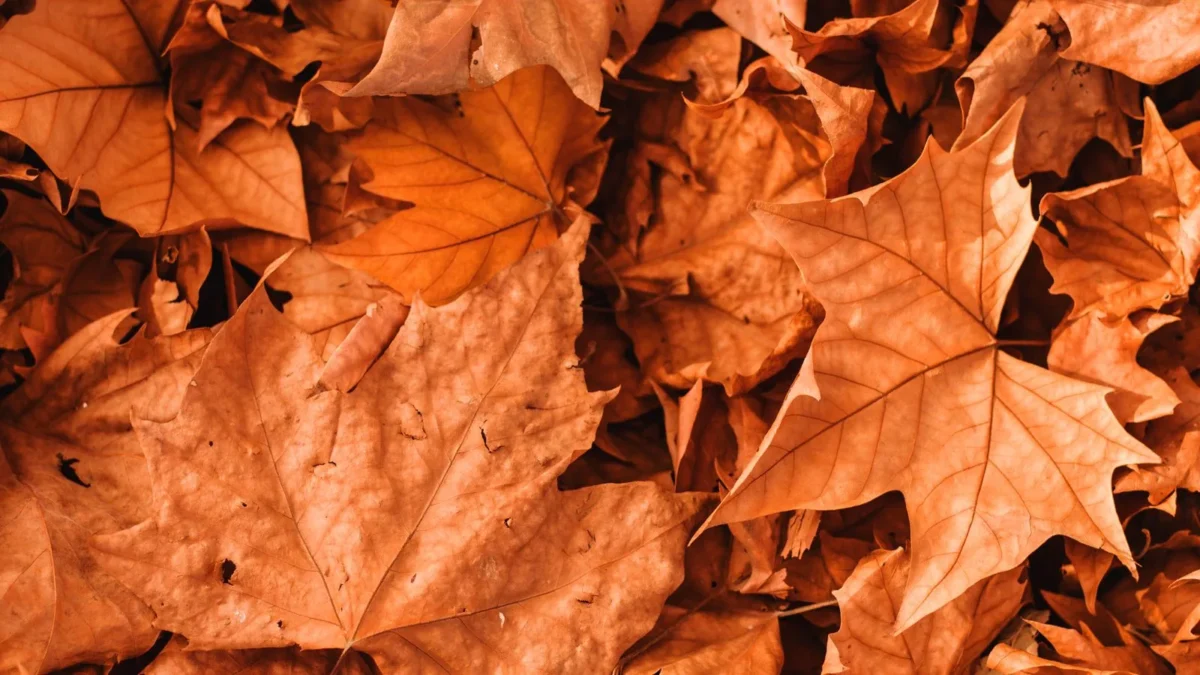
Bagging up fallen leaves and sending them to the curb is the most common fall chore, and it throws away one of the best free garden materials you will ever get. Leaves return organic matter to soil, suppress weeds as mulch, hold moisture and feed a compost pile. The trick is knowing which method fits the amount you have and how much time you want to spend.
This guide covers five practical ways to use fallen leaves, with the depths, timing and quantities that university extension services recommend, plus what not to do.
The short answer
For most yards the easiest plan is: mow over light leaf cover on the lawn, shred the rest and spread it 2 to 4 inches deep around trees, shrubs and perennials, and stockpile any extra for leaf mold or compost. You rarely need to bag leaves at all.
Option 1: Mow them into the lawn
If leaves only lightly cover the grass, run the mower over them and leave the pieces behind. Penn State Extension says a layer up to about half an inch deep benefits the lawn, and it cites Michigan State University research that found no harm from mulching leaves into turf, along with better grass quality and fewer broadleaf weeds. Oak and maple leaves did not change soil pH in that research.
Tips for doing it well:
- A mulching mower works best, but a regular mower can do the job.
- Mow slowly so the blade can chop the leaves.
- Do it when leaves are fairly dry and not piled thickly. Do not wait until every leaf has fallen.
- For finer pieces, make a second pass at right angles to the first.
If the leaf layer is thick enough that you cannot see grass through the shredded pieces, rake or collect the excess and use it in beds instead. For the rest of your lawn schedule, see our fall lawn care checklist.
Option 2: Use shredded leaves as mulch
Shredded leaves make a soft brown mulch. Penn State recommends a 2 to 4 inch layer around trees, shrubs and perennial beds, while University of Illinois Extension describes a 2-inch layer that breaks down into soft mulch by spring. Benefits include steadier soil temperature, better moisture retention and fewer weeds, and the weeds that do come up are easier to pull.
- You do not need a shredder. Running a mower over the pile is enough.
- Shredded leaves mat down less than whole leaves and are less likely to blow away. Watering after you spread them helps them settle.
- Illinois Extension reports that a 2-inch layer of leaf mulch adds modest amounts of nitrogen, phosphorus and potassium, and that leaf mulch does not significantly change soil pH.
Option 3: Make leaf mold
Leaf mold is simply leaves that have been left to break down. It is low in nutrients, so it is not a fertilizer, but it improves soil structure and water retention and works as mulch or as an ingredient in potting mixes. Because it is mostly free of weed seeds, it is cleaner than many composts.
How to make it:
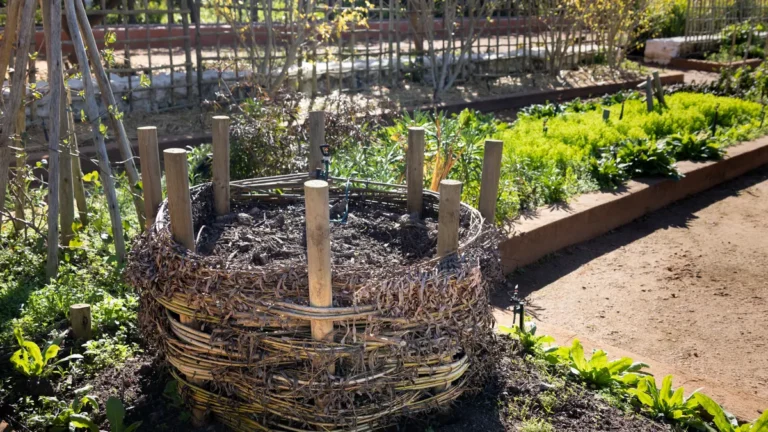
- Rake leaves into a pile or a simple wire or wood bin. Penn State suggests one 3 to 6 feet across and at least 3 feet tall.
- Pack them down and water them so they are damp, not soaked.
- Leave them alone. A trash can or large plastic bag with the lid or top left loose also works for small amounts.
Timing depends on how you start. Penn State says an unmanaged pile takes about two years. Illinois Extension reports that shredded leaves take about 6 months and whole leaves 9 to 12 months. Shredding, turning the pile, watering it and covering it with a tarp all speed things up.
Option 4: Add them to compost
Dry leaves are “browns” in composting terms, the carbon-rich material that balances wet kitchen scraps. Stockpile some in a corner or bin in fall and add them layer by layer to the compost bin through spring and summer, when brown material is scarce. Illinois Extension notes that leaves combined with kitchen fruit and vegetable scraps can become a garden amendment by the next summer.
Option 5: Protect plants and till into beds
- Winter insulation. Illinois Extension suggests filling a wire or burlap cage with leaves around tender perennials such as tea roses, and packing leaves around the base of root crops and hardy vegetables to guard against late-fall freezes.
- Vegetable beds. It also describes spreading 6 to 8 inches of unshredded leaves on a garden and tilling them in, which improves tilth, drainage and organic matter.
If your garden is also getting its fall planting, our fall planting calendar by zone and frost date and our guides to planting garlic in fall and planting tulip bulbs show what goes into the ground now. Shredded leaves make a good winter blanket over newly planted beds.
Quick comparison
| Method | Effort | Best for | Key number |
|---|---|---|---|
| Mow into lawn | Low | Light leaf cover | Up to about 1/2 inch |
| Shredded mulch | Low to medium | Trees, shrubs, perennial beds | 2 to 4 inches deep |
| Leaf mold | Low, but slow | Soil structure, potting mix | 6 to 12 months shredded; about 2 years unmanaged |
| Compost “browns” | Medium | Balancing kitchen scraps | Layer with green material |
| Winter insulation or tilling in | Medium | Tender perennials, veggie beds | 6 to 8 inches if tilling in |
Mistakes to avoid
- Leaving thick, whole leaves on the lawn. A heavy mat blocks light and holds moisture against the grass. Shred or remove the excess.
- Spreading unshredded leaves on the surface. They can blow away in winter wind and take much longer to break down.
- Raking everything out of natural areas. Penn State advises against adding leaves on top of an existing natural leaf layer in wooded areas, since that layer, typically 6 to 12 inches deep, shelters insects, amphibians, birds and small mammals.
- Using compost of unknown origin. Penn State notes it may carry contaminants, trash or pests.
Frequently asked questions
Do fallen leaves make soil acidic?
Not significantly. Illinois Extension says leaf mulch does not have a significant effect on soil pH. Fresh oak leaves are acidic but break down to neutral or slightly alkaline, and Penn State cites research finding that oak and maple leaves did not change soil pH when mulched into turf.
Do I need a leaf shredder?
No. Both extension sources say mowing over the leaves is enough. A mulching mower does a finer job.
Is it OK to leave some leaves alone?
Yes. Leaves left in a corner or under shrubs can shelter wildlife, and a stockpile there feeds your compost later. Just keep thick mats off lawns and crowns of small plants. Our companion piece, why skipping fall cleanup can help your garden and local wildlife, covers the habitat side of the question in more depth.
How long until leaf mold is ready?
Roughly 6 to 12 months if the leaves are shredded and kept damp, and up to about two years if you just pile them and wait.
Bottom line
You can cut your fall cleanup and your mulch bill at the same time. Mow, shred, spread and stockpile instead of bagging. Start with the lawn and beds this weekend, then set aside a bin for leaf mold so you have free soil conditioner next year.
Sources: Penn State Extension, “Leaves Are Treasure, Not Trash”; University of Illinois Extension, “Don’t Bag Your Fall Leaves, Use Them” (October 27, 2025). Quantities vary by tree species and climate, so adjust to your own yard and local extension advice.