Staying warm in winter is less about one heavy coat and more about the clothes underneath it. Layering traps air between thin pieces, lets you add or remove warmth as the day changes, and avoids the bulky look of one thick sweater under a jacket. This guide explains the three-layer system, which fabrics work best in each layer, and how to build outfits that feel good indoors and outside.
The Short Answer
- Base layer: a thin, close-fitting piece that sits against your skin and manages moisture.
- Middle layer: an insulating piece, such as a sweater, fleece or vest, that holds in body heat.
- Outer layer: a coat or jacket that blocks wind, snow or rain.
- Rule of thumb: each layer should be slightly looser than the one beneath it, so nothing compresses and loses its insulation.
Layer 1: The Base Layer
The base layer’s job is comfort, not bulk. It sits next to the skin and should feel soft and dry. Good options include a thin merino wool or synthetic long-sleeve top, thermal leggings or a fitted tee. Merino wool is a popular choice because it insulates even when slightly damp and tends to resist odor. Synthetic fabrics such as polyester blends dry quickly and cost less.
Be careful with cotton. Cotton absorbs moisture and dries slowly, so a cotton tee can feel cold and clammy if you sweat during a commute or a walk. For a short, mostly indoor day, a cotton base is fine. For long days outside or active plans, choose wool or synthetic instead.
Layer 2: The Insulating Layer
This is the layer that actually keeps you warm. Choose it by how cold it is and how much you move:
| Middle layer | Best for | Style note |
|---|---|---|
| Wool or cashmere sweater | Office, dinners, everyday wear | Easy to dress up with trousers or a skirt |
| Fleece pullover or jacket | Cold, active or outdoor days | Casual and quick-drying |
| Quilted or down vest | Adding core warmth without bulky sleeves | Keeps arms free and looks sporty |
| Cardigan or knit blazer | Indoor-heavy days and mild cold | Adds structure to simple outfits |
Two thinner middle layers often work better than one thick one. A light sweater under a vest, for example, gives you more ways to adjust than a single chunky knit.
Layer 3: The Outer Layer
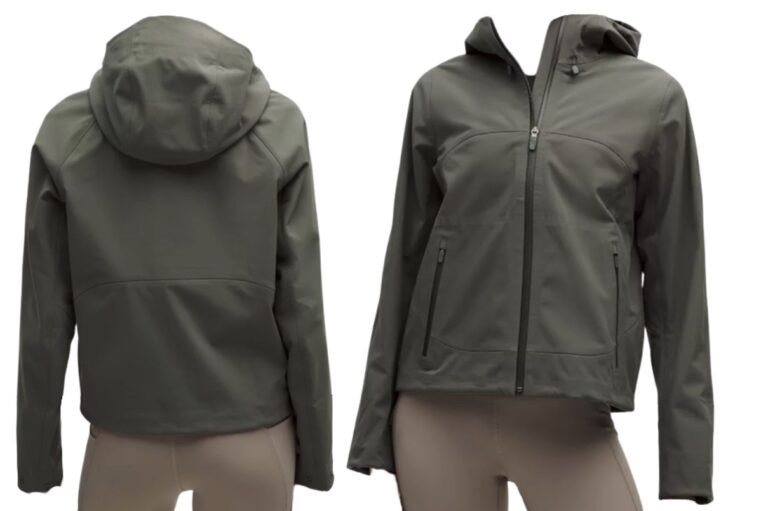
The outer layer shields you from wind and moisture, which are what make cold air feel colder. Wool coats are warm and polished but are usually not waterproof. Puffer jackets offer strong insulation for their weight, and the choice between down vs synthetic insulation changes how they handle wet weather. Shell jackets block wind and rain but add little warmth by themselves, so they pair best with a fleece or sweater underneath. For a closer look at coat shapes and what to look for, see our guide to fall 2026 coat trends and how to pick one that lasts.
Check the fit before you buy. Put on your thickest middle layer, then try the coat over it. If the sleeves pull up or the shoulders feel tight, the coat will compress your layers and feel colder than it should.
Keep the Silhouette Slim: Fit and Proportion
The most common layering mistake is stacking too many thick pieces. A few habits keep outfits sleek:
- Choose thin fabrics for the layers closest to your body.
- Tuck a fitted base layer into trousers or jeans, and let the middle layer sit slightly looser.
- Vary the lengths: a longer shirt hem under a shorter sweater creates visible, intentional layers.
- Keep one piece oversized at most, and balance it with fitted pieces elsewhere.
- Stay in one color family, or use two neutrals plus one accent, so layers read as one outfit.
Don’t Forget Extremities
Hands, feet, neck and head lose comfort fast. A scarf closes the gap at your collar, a hat keeps warmth in, and gloves matter more than most people expect. For feet, pair wool socks with shoes that have room for them, because tight shoes restrict circulation and make feet colder. Wool or thick socks inside waterproof boots are a reliable combination for snow or slush.
Three Outfit Formulas
1. The Office Commute
Fine-knit base layer, button-up shirt, wool sweater, tailored trousers, a long wool coat and a scarf. The scarf comes off indoors, and the sweater can too if the office is warm.
2. The Casual Weekend
Thermal long-sleeve, a flannel or hoodie, a quilted vest, jeans and a puffer jacket. The vest and jacket separate easily when you step into a café.
3. The Cold-Weather Walk
Merino base layer, fleece mid-layer, a wind-resistant shell, lined pants or thermal leggings under jeans, wool socks, boots, hat and gloves. Add or remove the fleece as you warm up.
Common Layering Mistakes
- Wearing cotton against the skin on active days. It holds moisture and cools you down.
- Making every layer thick. You get bulk without proportional warmth.
- Over-layering for a short trip. Overheating makes you sweat, and sweat makes you cold when you stop.
- Skipping the wind layer. A good sweater can feel thin on a windy day without a shell.
- Buying the outer layer without trying thick layers under it.
A Simple Winter Layering Checklist
- Check the temperature and wind, not just the forecast number.
- Start with a thin base layer in wool or synthetic fabric.
- Add one or two insulating layers that you can remove easily.
- Finish with a coat that fits over everything.
- Add a scarf, hat, gloves and warm socks.
- Carry a lighter layer if you will move between warm and cold spaces.
Frequently Asked Questions
How many layers should I wear in winter?
Three is a good starting point: a base layer, a middle layer and an outer layer. Add a second middle layer in very cold weather, or remove one when you will be active or indoors.
What is the best fabric for a winter base layer?
Merino wool and synthetic blends are popular because they manage moisture better than cotton.
How do I layer without looking bulky?
Use thin layers near the body, keep one piece oversized at most, and make sure each layer is slightly roomier than the one beneath it.
Is a puffer jacket enough on its own?
For mild cold, it can be. In deeper cold, add a fleece or sweater underneath and a thermal base layer.
Featured image: “Young Woman in a Puffer Jacket, Jeans and Scarf Standing in front of a Modern Building in City in Winter” by Jean-Daniel Francoeur, via Pexels (Pexels License).