Last updated: October 16, 2026. Entry rules and launch dates can change. Confirm the current status on the European Union’s official ETIAS website (travel-europe.europa.eu/etias) and with your airline before you book. This guide is informational only and is not legal or immigration advice. It is not affiliated with any government agency.
If you are planning a trip to Europe, you have probably seen headlines about ETIAS, the European Travel Information and Authorisation System. In short, it is an online travel authorization that visa-free visitors, including U.S. citizens, will need before entering most European countries. It is similar in idea to the U.S. ESTA program. The most important fact to know today is that, as of mid-October 2026, ETIAS is not yet in operation, so you do not need one for a trip you are taking now. This guide explains where things stand, what it will cost, who is exempt, and how to apply when the system opens.
The Short Answer
- Do I need ETIAS today? No. The system had not started accepting applications as of our latest check, so there is nothing to apply for yet.
- When will it start? The most recent publicly reported EU target is the last quarter of 2026, but no exact start date is confirmed. Reports say the European Commission has committed to announcing a date several months in advance. Treat any site claiming an exact date with caution.
- How much will it cost? The published fee is €20 per application. An earlier figure of €7 is out of date.
- How long is it valid? Three years, or until your passport expires, whichever comes first.
- Is it a visa? No. It is a pre-travel authorization linked to your passport. It does not guarantee entry, because border officers still make the final decision.
What ETIAS Is (and What It Is Not)
ETIAS screens visa-exempt travelers before they board a flight, ship or bus to Europe. You fill in an online form, the system checks your details against security and migration databases, and most applicants receive a decision quickly. It applies to short stays, and the standard Schengen rule still applies: up to 90 days in any 180-day period.
ETIAS is separate from the Entry/Exit System (EES), which is the new biometric border check. EES records the date and place you enter and leave, replacing manual passport stamps. According to reporting from July 2026, EES began on October 12, 2025 and became fully operational at all Schengen external borders on April 10, 2026. Having ETIAS later will not replace an EES check, and an EES registration does not give you an ETIAS authorization. For a wider look at rule changes this year, see our guide to what changed for air travelers in 2026.
Where the Launch Stands Right Now
ETIAS has been delayed several times since it was first approved, so it is wise to be skeptical of old dates. Here is what the sources we checked say:
- The last published EU target is the last quarter of 2026. No fixed day has been confirmed.
- A guide reviewed on October 11, 2026 reported that official guidance still said ETIAS was not operating and that applications were not being collected.
- The rules provide for a transitional period of six months at the start, which may be extended. During it, travelers can generally be admitted without ETIAS if they meet the other entry conditions. A further grace period follows, with a limited exception for a traveler’s first entry. Exact dates for these periods have not been published, so any calendar you see online is an estimate.
What this means in practice: for a trip in the next few months you almost certainly will not be asked for ETIAS, and even after launch there is a phase-in. If your trip falls in late 2026 or 2027, check the official ETIAS website a few weeks before you fly.
Who Will Need ETIAS
ETIAS is for citizens of countries that can enter the Schengen area without a visa. That includes the United States, Canada, Australia and many others. It applies to short stays for tourism, business, transit or medical reasons. It covers the Schengen countries and some other European states taking part in the scheme, and it is not required for stays that are legally long-stay with a visa or residence permit.
Who is exempt?
- EU citizens.
- Holders of certain valid residence permits, residence cards, long-stay visas and uniform visas issued by participating countries.
- Travelers who stay only in an international airport transit area.
A U.S. green card or a UK residence status does not count as a European residence document. If you hold a residence permit from a participating country, carry it with you.
Who pays the fee?
The fee is €20. Under the published rules, applicants under 18 or over 70 do not pay, and neither do qualifying family members of EU citizens. A fee exemption does not necessarily mean you can skip the application, so check the official FAQ before assuming you are exempt.
How to Apply When the System Opens
- Use only the official website or app. The official portal is on the travel-europe.europa.eu domain. Type the address yourself rather than clicking an ad.
- Prepare your documents. You will need a valid passport (check that it will not expire soon), an email address, and a debit or credit card.
- Answer the questions. The form asks for personal details, passport data, your travel plans and several background questions on health, past travel and security.
- Pay the fee. Keep the receipt.
- Wait for the decision. Many decisions are reported to arrive within minutes. If more information is needed, it can take longer, so apply well before you book non-refundable travel.
- Link it to your passport. The authorization is tied to the passport number you entered. If you renew your passport, you will need a new ETIAS.
How to Avoid ETIAS Scam Websites
Because the program has been in the news for years, many unofficial sites already charge “application” or “processing” fees for a system that does not yet exist. Protect yourself with these checks:
- If a site accepts payment today for ETIAS, that is a red flag, since the system is not open.
- Official EU sites use the europa.eu domain. Addresses like etias-apply or euro-visa-online are not official.
- Be wary of fees well above €20, urgent countdown timers, or promises of “guaranteed approval.”
- Never send photos of your passport or card details to a site you reached through an ad or social message.
Planning Tips for Your Trip to Europe
- Check your passport’s validity. Schengen rules generally require it to be valid for a period beyond your planned departure date, so confirm the exact requirement with your airline.
- Build extra time into your arrival at larger airports, because new biometric checks can add queues. Our Charles de Gaulle transit guide shows how to plan a connection through a major hub.
- If you are connecting through the Gulf, our Dubai airport layover guide explains visa and transfer basics.
- Book your flight first, then watch the official ETIAS website for announcements. You do not need to pay anyone in advance.
Frequently Asked Questions
Is ETIAS required for Americans in 2026?
Not yet. The program had not launched as of mid-October 2026. The EU’s target is the last quarter of 2026, with a phase-in afterward.
How much does ETIAS cost?
€20 per application under the published fee. Applicants under 18 and over 70 are exempt from the fee.
How long does ETIAS last?
Three years or until the passport expires, whichever is first.
Is ETIAS the same as a Schengen visa?
No. It is an authorization for visa-exempt travelers. People who need a visa must apply for one separately.
Will ETIAS guarantee I can enter Europe?
No. Approval allows you to travel, but border officers decide at the checkpoint.
Sources: European Union, ETIAS official information portal (travel-europe.europa.eu/etias); European Commission announcement of the €20 ETIAS fee (home-affairs.ec.europa.eu, July 2025); Regulation (EU) 2018/1240 on EUR-Lex; travel industry reporting on the ETIAS timeline (July and August 2026). Launch dates and phase-in periods are not confirmed and may change.
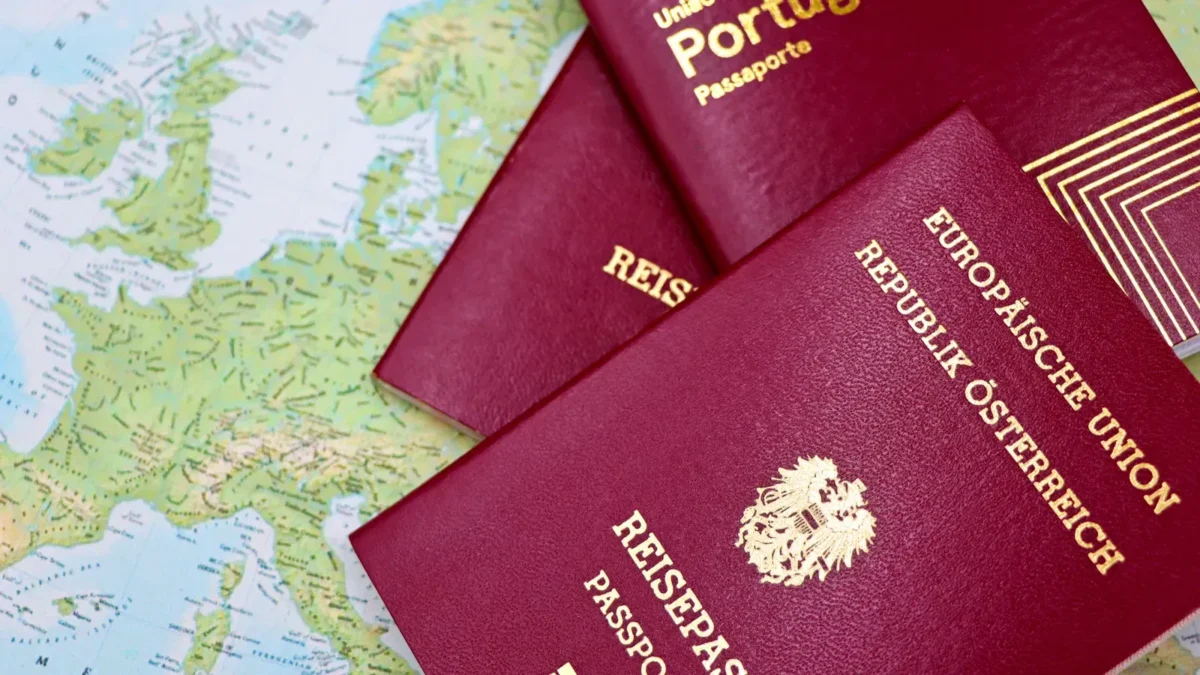
Featured image: “European Passports on World Map” by martabranco, via Pexels (Pexels License).