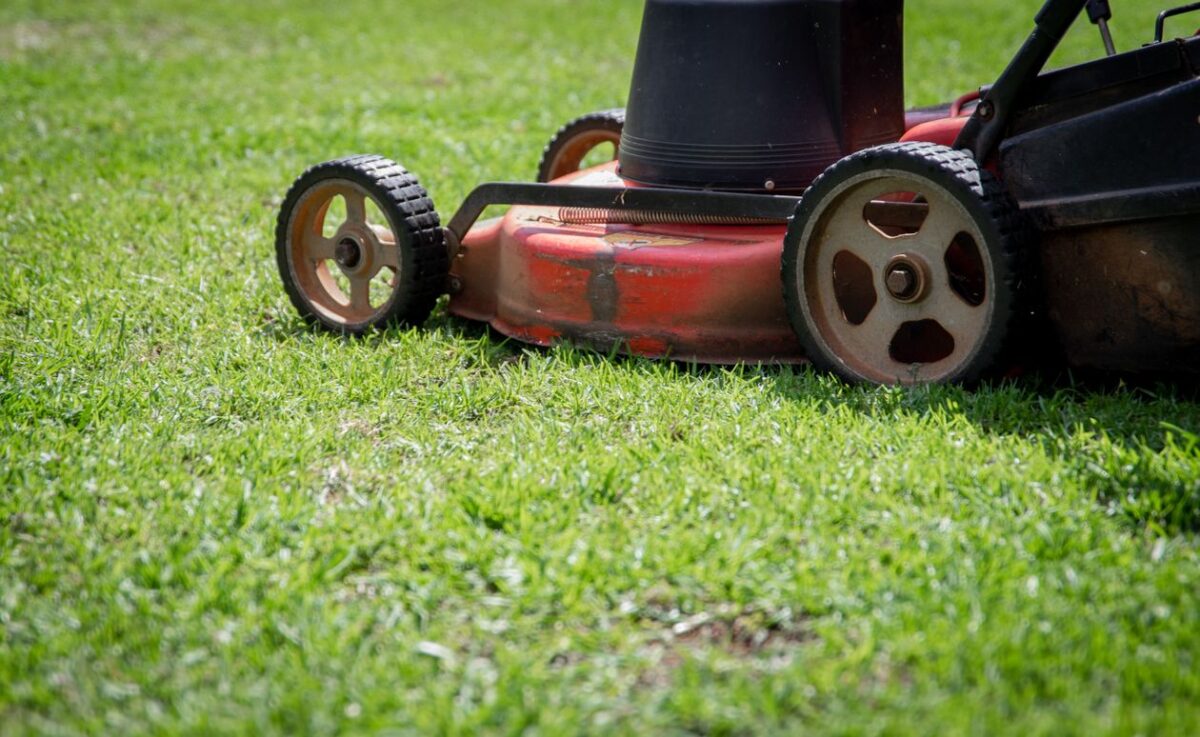
The single most common fall lawn care mistake isn’t skipping a task — it’s applying the same to-do list to every yard. Cool-season grasses like fescue and bluegrass are entering their best growing window of the year right now, which makes early-to-mid fall the ideal time to aerate, overseed, and fertilize. Warm-season grasses like Bermuda and zoysia are heading the opposite direction, slowing down and preparing for dormancy, which means the right move for them is often to stop fertilizing and start focused on winter prep instead. Get that distinction backwards and you can waste a weekend of work — or worse, stress a lawn that was better left alone until spring.
This checklist breaks every major fall task down by grass type, with the timing that actually matters: how many weeks before your first frost date each task belongs. If you’re also mapping out what to plant this season, our fall planting calendar by zone and frost date covers the vegetable and flower side of the yard — this piece is entirely about the lawn itself.
Key Takeaways
- Cool-season grasses (fescue, bluegrass, ryegrass) are in their peak fall growth window and benefit from aeration, overseeding, and fertilizing now. Warm-season grasses (Bermuda, zoysia, St. Augustine, centipede) are slowing toward dormancy and need the opposite approach.
- Cool-season lawns should start fertilizing 6 weeks before the first frost; warm-season lawns should stop fertilizing 6–8 weeks before frost to avoid pushing new growth that won’t survive winter.
- Overseeding works best on cool-season lawns in fall, right after aeration, while the soil stays consistently moist.
- Only dethatch if your lawn’s thatch layer exceeds half an inch — dethatching a healthy lawn does more harm than good.
- A light layer of fallen leaves can be mulched directly into the lawn with a mulching mower; a heavy layer needs to be raked off before it smothers the grass underneath.
Cool-Season vs. Warm-Season Grass: Why It Changes Everything
Before touching any task on this list, identify which category your lawn falls into, since it determines almost every timing decision that follows.
Cool-season grasses — tall fescue, Kentucky bluegrass, and perennial ryegrass, common across the northern two-thirds of the US — actually grow fastest in the cooler, wetter conditions of early fall, after the stress of summer heat has passed. That makes fall their single best window for aeration, overseeding, and building root strength before winter.
Warm-season grasses — Bermuda, zoysia, St. Augustine, and centipede, common across the South — do the opposite. They slow their growth as temperatures drop and go dormant after the first hard freeze. Pushing new growth on a warm-season lawn too late in the season leaves tender new blades with no time to harden off before winter, making the lawn more vulnerable to cold damage.
The Fall Lawn Care Timeline
| Task | Cool-Season Lawns | Warm-Season Lawns |
|---|---|---|
| Aeration & dethatching | Do now, during peak fall growth | Wait until spring/early summer |
| Fertilizing | Start ~6 weeks before first frost | Stop 6–8 weeks before first frost |
| Overseeding | Ideal in fall, after aeration | Not recommended in fall |
| Mowing height | Gradually lower as fall progresses | Maintain height until dormancy |
| Weed control | Pre-emergent for winter annuals now | Pre-emergent for winter annuals now |
Aeration and Dethatching
Aeration — pulling small plugs of soil out of the lawn — relieves compaction and lets water, air, and nutrients reach the root zone more effectively. For cool-season lawns, fall’s peak growth period is the ideal time, since the grass recovers from the disruption quickly and channels that recovery into stronger roots before winter. Warm-season lawns should have this done in spring or early summer instead, while they’re actively growing.
Dethatching — removing the layer of dead grass, roots, and organic debris that builds up between the soil and the green blades — is a task worth skipping unless it’s actually needed. Measure the thatch layer first: if it’s under half an inch, leave it alone. Thatch below that threshold actually helps insulate roots and retain moisture. Only dethatch if the layer exceeds half an inch, since removing a thin, healthy layer causes more stress to the lawn than it prevents.
Fertilizing: When and What Ratio
Timing here works in opposite directions depending on grass type, and getting it backwards is the most common fall lawn mistake homeowners make.
Cool-season lawns should get their first fall fertilizer application in late August or September — roughly six weeks before the expected first frost — using a fertilizer with a nitrogen-heavy ratio like 3:1:2 or 4:1:2 (N-P-K). A second application, this time with a winterizing fertilizer higher in potassium to support cold tolerance, typically goes down in October or November.
Warm-season lawns should stop fertilizing entirely by early August through late September — about six to eight weeks before frost. Fertilizing a warm-season lawn too close to dormancy stimulates new growth that won’t have time to harden off, leaving it more vulnerable to winter damage.
Overseeding Thin or Bare Spots
Fall is the best season of the year to overseed a cool-season lawn. Soil is still warm enough for fast germination, air temperatures are cooler and less stressful on new seedlings, and there’s typically more consistent rainfall than in the heat of summer. The ideal sequence is aerating first, then overseeding immediately after — the holes left by aeration give grass seed direct soil contact, which dramatically improves germination rates compared with seed sitting on top of compacted ground. Keep the soil consistently moist (not soaked) until the new grass is established, which typically takes two to three weeks.
Overseeding warm-season lawns in fall generally isn’t recommended, since those grass varieties are heading toward dormancy rather than active growth — new seed won’t have enough of a growing window left to establish before winter.
Mowing Height as Temperatures Drop
Cool-season lawns should have their mowing height gradually lowered as fall progresses, with the final mow of the season cut shorter than your typical summer height. A too-tall lawn heading into winter is more prone to snow mold, a fungal disease that thrives under matted, long grass covered by snow. Warm-season lawns should keep their regular mowing height until they go fully dormant, since cutting them shorter offers no winter-prep benefit and just adds stress heading into their dormant period.
Weed Control Before Winter
This is one of the few tasks that applies to both grass types on a similar timeline. A pre-emergent herbicide applied in fall prevents winter annual weeds — like chickweed and henbit — from germinating in the first place, which is far more effective than trying to treat them once they’re established in late winter or early spring. Post-emergent treatments can still address existing broadleaf weeds that are actively growing this fall.
Leaf Management: Mulch or Rake?
The answer depends on how much has actually fallen. A light, scattered layer of leaves can be mulched directly into the lawn using a mulching mower — the shredded leaf pieces break down and return nutrients to the soil rather than needing to be removed. A heavier accumulation needs to be raked or blown off, since a thick, wet mat of leaves left over winter blocks sunlight and traps moisture against the grass, creating conditions for fungal disease and dead patches that show up the following spring. If you’re collecting a large volume, it’s also a natural feed source for composting rather than yard waste — see our beginner’s guide to composting at home for how to put those leaves to use instead of bagging them for the curb.
Watering and Soil Care
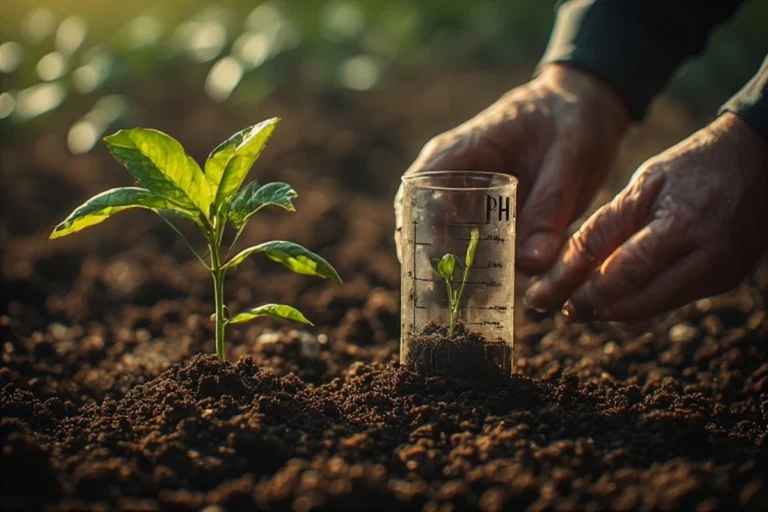
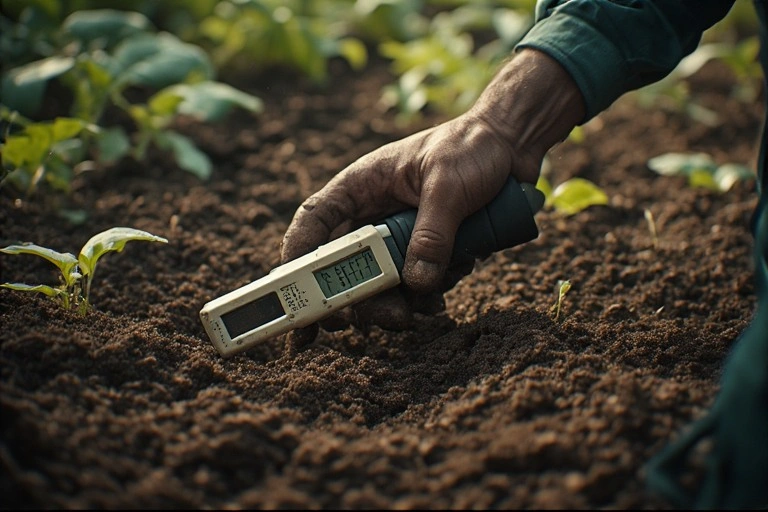
Reduce watering frequency as temperatures drop, aiming for roughly one inch of water per week between rainfall and irrigation combined — overwatering a lawn heading into cooler weather promotes fungal issues rather than helping the grass. It’s also a good time to test soil pH, since fall applications of lime or sulfur (whichever your soil test recommends) have all winter to work into the root zone before spring growth resumes. Working in compost or other organic matter now improves soil structure heading into next year, a step that pays off alongside the kind of climate-adaptive soil planning covered in our guide to building a climate-resilient garden.
FAQ
How do I know if I have cool-season or warm-season grass?
Cool-season grasses (fescue, bluegrass, ryegrass) are common across the northern two-thirds of the US and stay green through winter while going semi-dormant in summer heat. Warm-season grasses (Bermuda, zoysia, St. Augustine, centipede) are common in the South, grow most actively in summer heat, and turn brown and dormant after the first hard freeze.
Is it too late to fertilize my lawn in October?
For cool-season lawns, October is often the ideal window for a winterizing fertilizer application. For warm-season lawns, October is generally too late — fertilizer applied that close to dormancy risks stimulating growth that won’t survive winter.
Should I bag my grass clippings in the fall?
Not necessarily. Clippings left on a healthy lawn generally decompose quickly and return nutrients to the soil. The bigger consideration in fall is leaf volume, not clippings — a light leaf layer can be mulched in the same way, while a heavy leaf mat should be removed.
Can I aerate and overseed at the same time?
Yes, and for cool-season lawns this is the recommended approach — aerating first and overseeding immediately after gives grass seed direct contact with soil through the aeration holes, which significantly improves germination.
The Bottom Line
Fall lawn care isn’t a single checklist — it’s two different checklists depending on what’s growing in your yard. Cool-season lawns are in their best growth window of the year right now and reward aeration, overseeding, and fertilizing before winter. Warm-season lawns are winding down and are better served by tapering off fertilizer, holding mowing height steady, and focusing on weed prevention instead. Get the grass type right first, and the rest of the timeline falls into place.