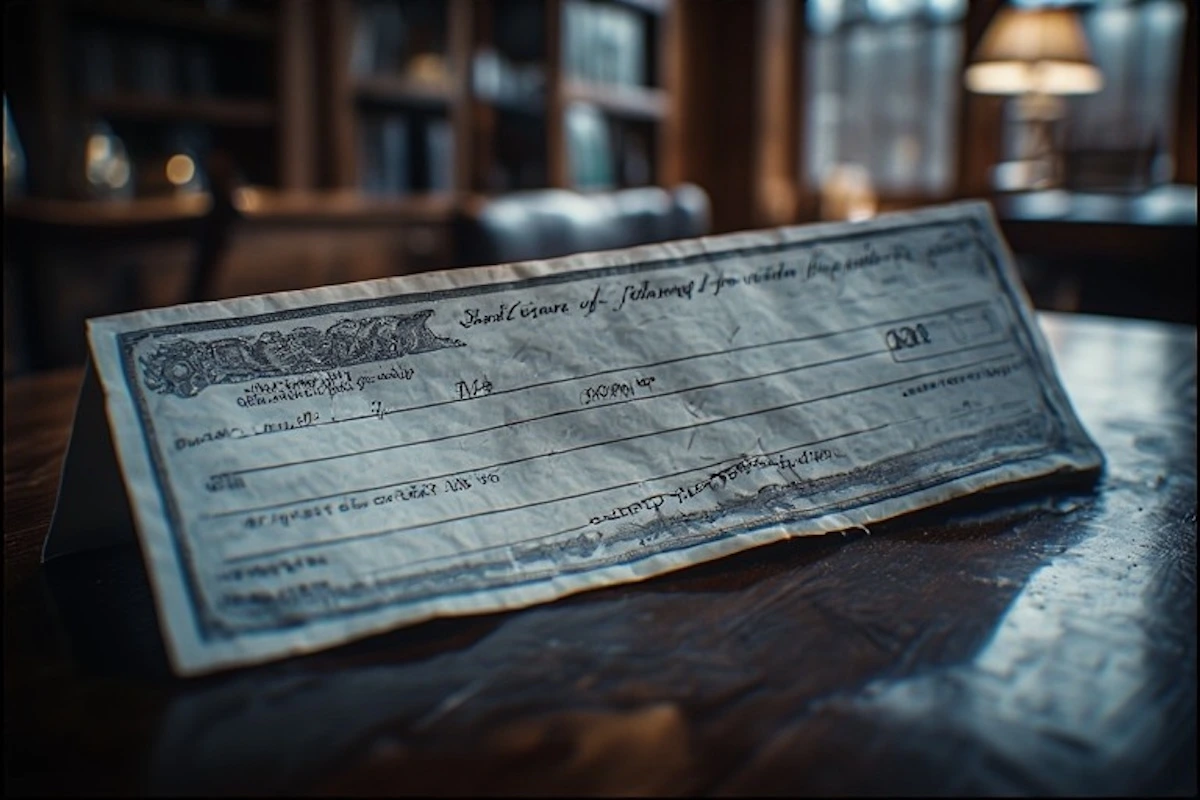
Even in today’s digital-first world, paper checks are still widely used for rent payments, business transactions, and official documentation. For beginners, understanding what a check is and how it works is essential before learning how to use one properly.
A check is a written instruction that authorizes a bank to pay a specific amount of money from one person’s account to another. While it may look simple, every check follows a standardized system that ensures accuracy, security, and traceability.
If you’re new to checks, or haven’t used one in years, this guide explains the basics clearly before you move on to learning how to write a check correctly.
What Is a Check?
A check is a negotiable financial instrument that directs a bank to transfer funds from the payer’s account (the writer) to the payee (the recipient).
Checks are commonly used for:
- Paying rent or utilities
- Business payments
- Government or legal transactions
- Situations requiring a paper trail
Unlike cash, checks provide a written record of payment, making them easier to track and verify.
How Does a Check Work?
When you write a check, you are giving your bank permission to release funds from your account to the named recipient.
Here’s the basic process:
- You write and sign the check
- The recipient deposits or cashes it
- Their bank requests funds from your bank
- The money is transferred if sufficient funds exist
If funds are unavailable, the check may bounce—leading to fees or other consequences.
Key Components of a Check Explained
Every check includes specific elements that make it valid and readable by banks:
- Date – When the check is written
- Payee Line – Who the check is payable to
- Numeric Amount Box – The payment amount in numbers
- Written Amount Line – The amount written in words
- Memo Line – Optional note explaining the payment
- Signature Line – Authorizes the transaction
- Routing Number – Identifies the bank
- Account Number – Identifies the payer’s account
Once you understand these components, the next step is learning how to write a check correctly, ensuring each section is filled out accurately and securely.
👉 For a complete walkthrough, see this step-by-step guide to filling out, endorsing, and voiding checks
Why Checks Are Still Used Today
Despite digital alternatives, checks remain relevant for several reasons:
- Accepted by landlords and small businesses
- Useful when electronic payments aren’t available
- Provide proof of payment
- Safer than cash in many situations
However, checks require careful handling to avoid errors, delays, or fraud.
What Happens After a Check Is Deposited?
Once deposited, a check goes through a clearing process:
- The receiving bank verifies the details
- The issuing bank confirms funds
- The amount is credited to the recipient
This process can take one to several business days, depending on the bank and check type.
If you’re unfamiliar with depositing checks, especially without an account, this guide may help:
👉 Can I deposit a personal check at a bank ATM without an account?
Checks vs Other Payment Methods
Checks are just one of several payment options available today.
Compared to:
- ACH payments, which are electronic and faster
- Money orders, which are prepaid and guaranteed
- Debit cards, which withdraw funds instantly
Checks offer flexibility but require accuracy and patience. Choosing the right payment method depends on speed, security, and acceptance.
Common Beginner Mistakes with Checks
New check users often:
- Forget to sign the check
- Write mismatched numeric and written amounts
- Leave blank spaces vulnerable to fraud
- Date checks incorrectly
Avoiding these mistakes becomes much easier once you follow a structured guide on writing and handling checks properly.
Related Reading
To deepen your understanding of checks and alternative payment methods, explore these helpful resources: