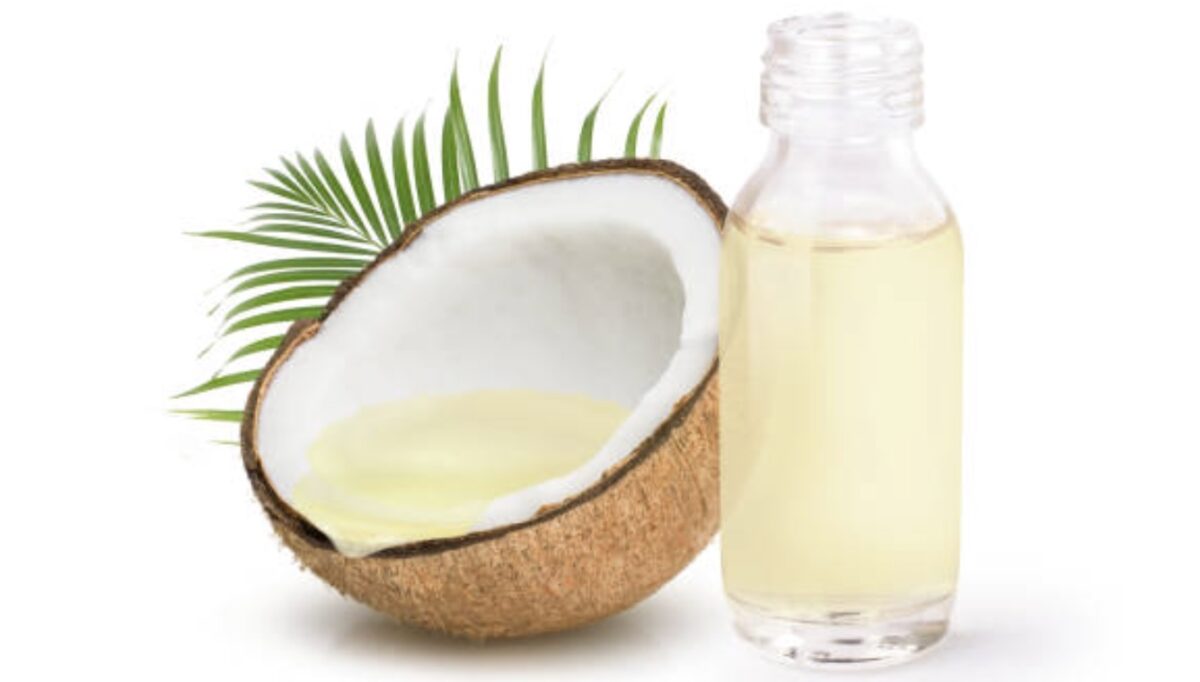
The Coconut Oil Comeback — with a Green Twist
Coconut oil has long been valued for its versatility. From cooking and skincare to wellness and cosmetics, it has become a staple in homes worldwide. But behind this golden oil lies a complex story — one that’s increasingly being rewritten by businesses committed to sustainability and ethical sourcing.
As consumers demand more transparency about where their products come from, the coconut oil industry is undergoing a quiet revolution. Entrepreneurs, cooperatives, and major brands are rethinking how coconuts are grown, harvested, and processed to ensure that every drop of oil reflects responsible business practices.
Why Sustainability Matters in the Coconut Oil Industry
For decades, coconut oil production has supported millions of smallholder farmers across tropical regions like the Philippines, Indonesia, Sri Lanka, and India. However, traditional supply chains often left farmers underpaid and ecosystems overworked.
Deforestation, inefficient farming methods, and volatile global prices have made sustainability a top priority. Consumers today are more informed — they want coconut oil that’s not only high-quality but also produced with respect for people and the planet.
In response, many companies have begun implementing sustainable coconut farming practices, such as:
- Intercropping coconuts with other plants to maintain soil health.
- Reducing waste by using every part of the coconut (from husks to shells).
- Investing in renewable energy for oil extraction and packaging.
- Supporting reforestation and biodiversity in coconut-growing regions.
The Rise of Ethical Coconut Oil Brands
A new generation of ethical coconut oil brands has emerged, reshaping the way the product is made and marketed. These companies prioritize fair trade principles, ensuring that farmers receive fair wages and stable contracts.
Some brands also reinvest part of their profits into community projects — funding schools, improving local healthcare, and empowering women in rural areas. The goal isn’t just to sell oil, but to build a sustainable ecosystem around it.
In addition, the eco-packaging movement has taken hold. Many ethical coconut oil producers are moving away from plastic jars and toward glass, recycled aluminum, or biodegradable containers. These steps resonate strongly with eco-conscious consumers who prefer products that align with their values.
The Environmental Impact of Coconut Oil — and the Path Forward
Like all agricultural industries, coconut oil production has an environmental footprint. However, compared to palm oil, coconut farming is generally less land-intensive and requires fewer chemical fertilizers.
Still, scaling sustainably is a challenge. As global demand grows, so does the pressure on producers to expand cultivation. The key lies in innovation — developing higher-yielding, climate-resilient coconut varieties and improving harvesting efficiency to minimize waste.
Businesses are also turning to blockchain technology for traceability, allowing consumers to track where their coconut oil comes from and how it was made. Transparency builds trust, and in the modern marketplace, trust equals brand loyalty.
Sustainability as a Business Advantage
Sustainability isn’t just good ethics — it’s good business. Studies show that consumers are willing to pay more for products that are eco-friendly and ethically sourced. For coconut oil companies, this means sustainability can directly translate into profitability.
By integrating environmental and social responsibility into their brand identity, companies can:
- Attract environmentally conscious consumers.
- Strengthen long-term supplier relationships.
- Reduce operational costs through energy efficiency.
- Stand out in a crowded market through authentic storytelling.
In other words, going green isn’t a trend — it’s a growth strategy.
From Farm to Shelf: Building a Transparent Coconut Oil Supply Chain
The most forward-thinking brands are focusing on full transparency, showing how coconuts travel from small farms to supermarket shelves. This “farm-to-shelf” approach builds accountability at every stage: cultivation, processing, packaging, and distribution.
Some producers are even offering QR code tracking on product labels, allowing consumers to scan and see exactly where their oil originated. This level of openness not only enhances brand credibility but also encourages industry-wide change toward more sustainable standards.
The Future of Sustainable Coconut Oil
The global shift toward ethical consumerism is reshaping the coconut oil market. Over the next decade, we can expect to see:
- Wider adoption of fair trade certification.
- Increased investment in climate-smart agriculture.
- More circular economy practices (using coconut byproducts for fuel, food, and cosmetics).
- Growing collaboration between governments, NGOs, and private companies to standardize sustainability metrics.
The result? A future where coconut oil isn’t just a household product, but a symbol of responsible business and environmental stewardship.
Sustainability Is the New Standard
Coconut oil is more than just a wellness trend — it’s becoming a case study in how industries can evolve responsibly. Ethical coconut oil brands are proving that sustainability can coexist with profitability, and that small actions — like paying farmers fairly or using eco-friendly packaging — can have global ripple effects.
As the world moves toward greener living, coconut oil stands as a reminder that even everyday products can drive meaningful change. From farm to shelf, sustainability is no longer optional — it’s the future of business.
FAQ on Sustainable Coconut Oil
1. What makes coconut oil sustainable?
Sustainable coconut oil is produced using eco-friendly farming practices, fair trade systems, and minimal waste. It also prioritizes renewable energy use and ethical labor conditions.
2. How do I know if a coconut oil brand is ethical?
Look for certifications such as Fair Trade, Organic, Rainforest Alliance, or Non-GMO Verified. Transparent labeling and traceable sourcing are also strong indicators.
3. Is coconut oil better for the environment than palm oil?
Generally, yes. Coconut oil production uses less land and involves fewer chemical inputs. However, sustainability still depends on responsible farming and fair labor practices.
4. What are some uses for sustainable coconut oil?
It’s used in cooking, skincare, hair care, and wellness products. Some industries are even exploring coconut oil as a component in biofuel and eco-friendly packaging.
5. Why are consumers switching to ethical coconut oil brands?
Because they want products that align with their values — quality, transparency, and respect for people and the planet. Supporting ethical brands also helps promote fair wages and environmental protection in producing regions.