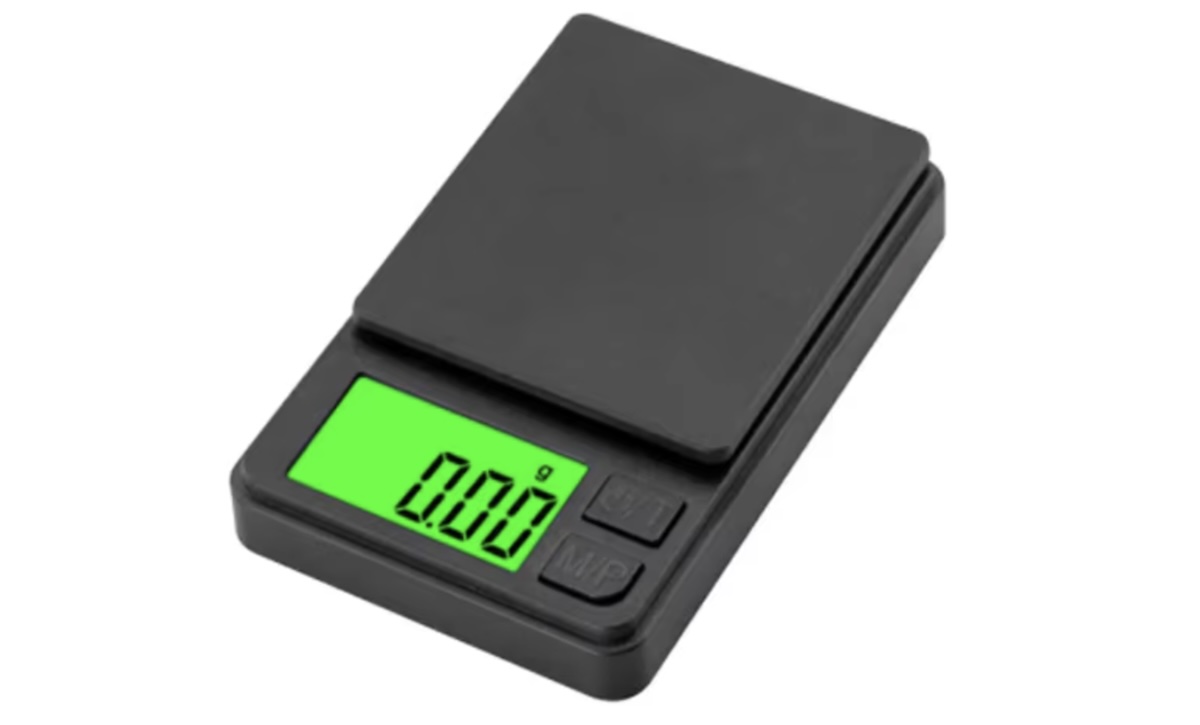
In today’s precision-driven market, digital pocket scales have become essential tools for businesses in jewelry, pharmaceuticals, culinary arts, and more. However, no matter how advanced your scale is, it won’t deliver accurate results unless it’s properly calibrated. Inaccurate readings can lead to financial losses, product defects, or compliance issues. This makes regular calibration not just a recommendation—but a business necessity.
In this post, we’ll walk you through the step-by-step process of calibrating a digital pocket scale, why it matters for your business, and how to ensure consistent performance.
What Is Calibration?
Calibration is the process of setting a digital scale to a known standard. Over time, wear and tear, temperature changes, or even frequent relocation can cause your scale to deviate from accurate measurements. Calibration brings the scale back to its original factory accuracy.
Why Calibrate a Digital Pocket Scale?
1. Ensure Measurement Accuracy
Businesses that rely on precise measurements—such as jewelry, pharmaceuticals, or lab testing—require scales that deliver exact values. Calibration ensures that the weight readings are trustworthy.
2. Meet Industry Standards
Certain industries are regulated and must comply with legal-for-trade or ISO standards. Regular calibration ensures your business remains compliant.
3. Prevent Financial Loss
In retail, an under- or over-measured product affects profit margins. Accurate scales help avoid discrepancies in billing and inventory.
When Should You Calibrate?
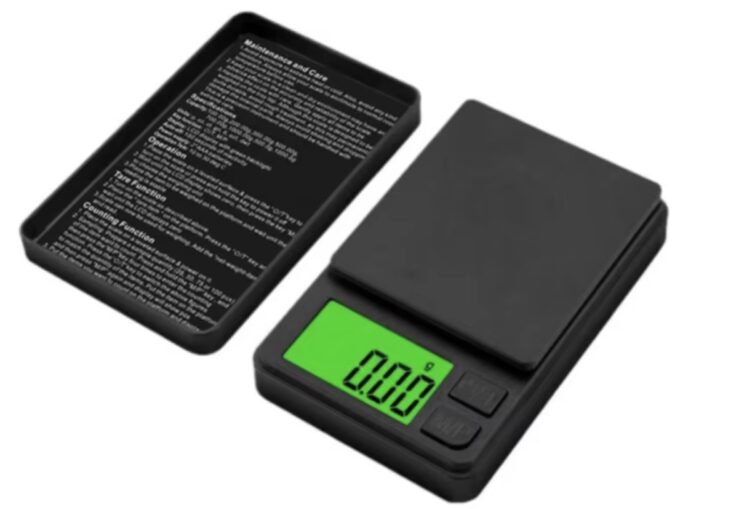
- After first use
- After moving the scale
- After a battery change
- If the scale is dropped
- Monthly or quarterly (depending on frequency of use)
What You’ll Need
- A flat, stable surface
- Calibration weights (check your scale’s user manual for the exact weight, e.g., 50g, 100g)
- Fully charged batteries
- The user manual (or manufacturer’s website for reference)
Step-by-Step: How to Calibrate a Digital Pocket Scale
Step 1: Place the Scale on a Level Surface
Find a flat, vibration-free surface. Uneven placement can distort weight readings and affect calibration.
Step 2: Turn On the Scale
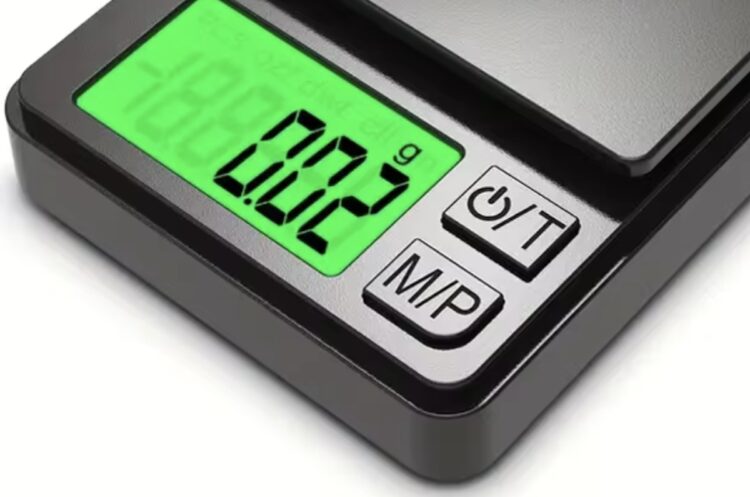
Press the power button and wait for the scale to stabilize at “0.00”. Remove any objects from the weighing surface.
Step 3: Enter Calibration Mode
Most digital pocket scales have a dedicated “CAL or C” or “Mode or M” button. Press and hold this button until the display shows “CAL” or a similar prompt.
Note: Some models require a combination of buttons. Refer to your user manual.
Step 4: Place the Calibration Weight
Once prompted, place the appropriate calibration weight on the center of the platform. The display should read the exact value of the calibration weight (e.g., 100.00g).
Step 5: Wait for Confirmation
The scale will usually flash or display “PASS” or “End” once the calibration is successful. It may automatically return to weighing mode.
Step 6: Test Accuracy
Remove the weight and ensure the scale returns to “0.00”. Test with a known item to confirm accuracy.
Check Digital Pocket Scale HERE
Tips for Effective Calibration
- Use certified calibration weights—Avoid coins or household items.
- Keep the scale clean—Dust or residue can interfere with sensors.
- Avoid temperature extremes—Calibrate in a room with stable temperature and humidity.
- Store calibration weights safely—Protect them from dirt and moisture.
Troubleshooting Calibration Issues
| Problem | Cause | Solution |
|---|---|---|
| Scale won’t enter calibration mode | Wrong button combo | Check user manual |
| Inconsistent readings | Low battery or uneven surface | Replace battery, level the surface |
| Calibration fails repeatedly | Incorrect weight used | Use correct calibration weight |
Master Your Digital Pocket Scale
Calibrating your digital pocket scale is an easy yet crucial process for maintaining measurement integrity. Whether you’re selling gold, mixing compounds, or measuring herbs, accuracy boosts customer trust and operational efficiency.
Make calibration a part of your business’s quality control routine. Invest in proper weights and understand your scale’s calibration procedure. A few minutes of routine calibration can save you from costly errors and maintain your professional credibility.