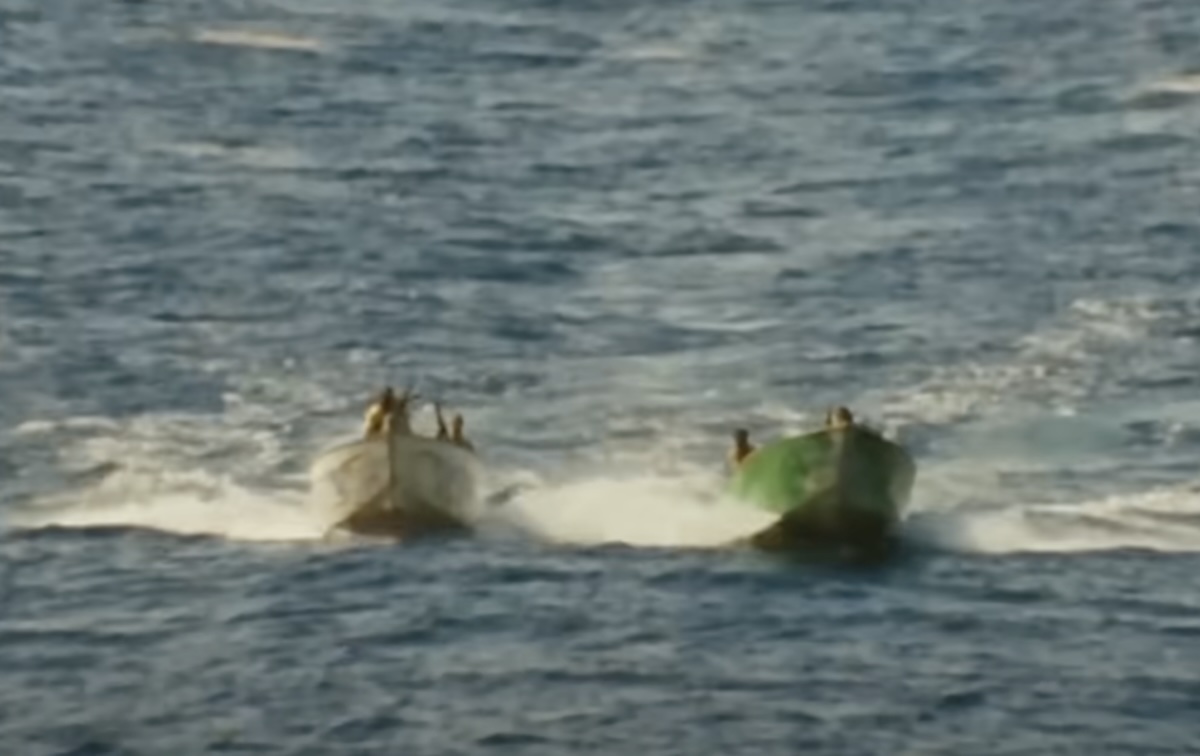
The Unspoken Risk of Modern-Day Piracy
Imagine sipping champagne on your balcony as your luxury cruise ship glides through crystal-clear waters—until the captain announces a piracy alert.
While rare, pirate attacks on cruise ships do happen, especially in high-risk regions like the Gulf of Aden, Indian Ocean, and parts of Southeast Asia. In 2023, the International Maritime Bureau reported 115 piracy incidents worldwide, with luxury cruise lines increasingly vigilant in hotspots.
For travelers investing thousands in dream vacations, understanding piracy risks is essential. This guide covers:
✅ Current piracy danger zones (2024 updates)
✅ How cruise ships protect passengers
✅ Real-life incidents and lessons learned
✅ Expert tips to stay safe
Where Are Piracy Warnings Issued for Cruise Ships?
High-Risk Regions (U.S. State Department List)
- Gulf of Aden & Somali Coast – Active pirate groups near Yemen
- Strait of Malacca – Robberies near Indonesia/Malaysia
- Gulf of Guinea (West Africa) – Highest global kidnapping risk
- Caribbean (Rare but Possible) – Isolated incidents near Venezuela
Safest Routes: Alaska, Mediterranean (except near Libya), Norwegian Fjords
How Luxury Cruise Lines Handle Piracy Threats
1. Avoidance Tactics
- Rerouting: Ships skip ports like Mombasa, Kenya, during unrest.
- Speed Maneuvers: Cruises travel >18 knots in danger zones (too fast for pirate boats).
2. Onboard Security Measures
- Water Cannons & Long-Range Acoustic Devices (LRADs) – Deter approaching skiffs.
- Safe Rooms – Passengers may shelter in interior areas if needed.
- Armed Guards – Some lines hire private security in risky waters.
3. Passenger Protocols
- Drills: Safety briefings before entering risky regions.
- Curfews: Deck access restricted at night in high-alert areas.
Real Cruise Ship Piracy Incidents (And Outcomes)
1. Seabourn Spirit (2005) – Somali Pirates
- What Happened: Pirates fired RPGs and machine guns; crew used LRADs to repel them.
- Result: No passenger injuries; ship escaped.
2. MSC Melody (2009) – Gulf of Aden
- What Happened: Pirates chased the ship for 20 minutes before security scared them off.
- Result: Cruise lines began avoiding the area.
3. Near-Miss in Caribbean (2022) – Venezuelan Waters
- What Happened: Suspicious boats approached a Royal Caribbean ship; captain accelerated away.
5 Essential Safety Tips for Passengers
- Check Travel Advisories – U.S. State Department lists piracy risks by region.
- Choose Itineraries Wisely – Opt for low-risk zones like Alaska or New England.
- Attend Safety Drills – Know emergency procedures for piracy alerts.
- Avoid Balcony Rooms in Risky Areas – Interior cabins are safer during threats.
- Purchase Travel Insurance – Covers disruptions from rerouted trips.
FAQ: Answering Passenger Concerns
Q: How common are pirate attacks on cruise ships?
A: Extremely rare—only a handful of incidents in the past 20 years.
Q: Do pirates target luxury lines more?
A: No—they typically attack slower cargo ships, but all vessels must stay alert.
Q: Can pirates board a moving cruise ship?
A: Unlikely. Modern ships outpace pirate boats (which max out at ~25 knots).
Q: Should I cancel my cruise due to piracy warnings?
A: Not usually—cruise lines cancel sailings if risks are high.
Stay Informed, Not Fearful
While piracy warnings sound alarming, luxury cruise ships are among the safest ways to travel through risky waters. By choosing reputable lines, staying updated on advisories, and following crew instructions, you can enjoy your voyage with peace of mind.
Before booking, check:
✔ Cruise line piracy policies
✔ Itinerary risk levels
✔ Travel insurance coverage
Bon voyage, and stay safe! ⚓