McDonald’s biggest drinks lineup expansion since the 1993 launch of McCafé has put the chain at the center of an unexpected controversy: is McDonald’s marketing energy drinks to children? The chain’s new McDonald’s Red Bull drink offerings, rolled out across several international markets, have drawn criticism from pediatric health experts who warn that bright colors, fruity branding, and placement inside a family-friendly restaurant could normalize high-caffeine drinks for kids — even though McDonald’s insists the products are adults-only and clearly labeled. The debate arrives at a pointed moment, with the UK preparing to enforce a nationwide ban on energy drink sales to under-16s.
This article walks through exactly what McDonald’s rolled out, why critics are raising alarms, the role color psychology plays in how kids respond to food and drink branding, what advertising law actually requires, and what experts on both sides of the debate are saying.
What Happened
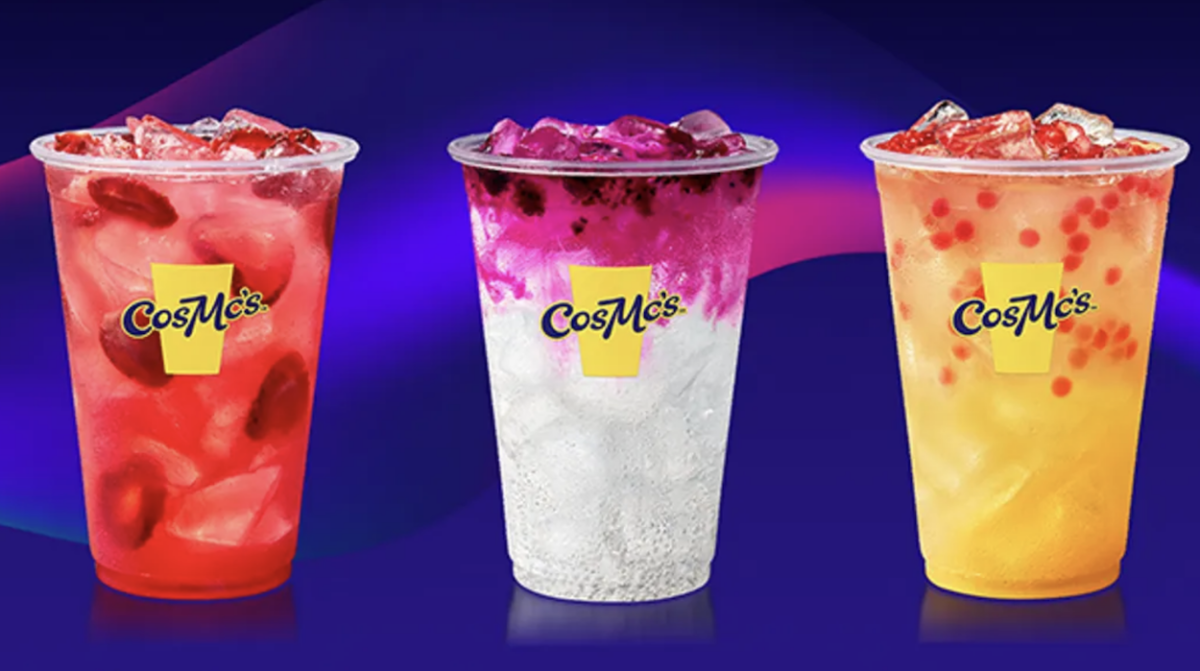
McDonald’s rollout marks the chain’s most significant beverage expansion in over three decades, introducing Red Bull Energizers alongside a wave of colorful new McCafé drinks, fruit refreshers, and customizable options with names like Orange Dream. The Red Bull products carry McDonald’s own branding on the cup while using Red Bull’s formulation, and they’re being sold as standalone menu items rather than as part of any Happy Meal.
According to McDonald’s UK and German product listings, the Red Bull Energizers contain roughly 32mg of caffeine per 100ml and carry advisory labels stating they’re not recommended for children, pregnant or breastfeeding women, or people sensitive to caffeine. McDonald’s has publicly emphasized that the drinks are excluded from its children’s meal offerings and that point-of-sale signage discloses the caffeine warning to anyone ordering.
Why Critics Are Concerned
The core objection isn’t that McDonald’s is selling energy drinks — it’s where and how they’re being sold. Paediatric nutritionist Mandy Sacher has warned that bright colors and fruity flavors make the new energy drinks visually indistinguishable from ordinary soft drinks, meaning children browsing a McDonald’s drinks board could easily fail to register the difference. Sacher has gone further, describing energy drinks as a “gateway” product that can normalize unhealthy caffeine habits from a young age, and is pushing the Australian government to ban energy drink sales to anyone under 16.
The concern isn’t hypothetical or new to the beverage category broadly. In England, government estimates suggest more than 100,000 children consume at least one high-caffeine energy drink daily — equivalent to roughly 4% of children aged 11 to 15 — while up to a third of 13-to-16-year-olds report drinking them weekly. Public health officials have linked that consumption to anxiety, disrupted sleep, and reduced concentration in the classroom. Critics argue that placing a familiar high-caffeine brand inside the world’s most recognizable family restaurant chain — a company whose own strategy of adapting its menu to win over local markets has made it a fixture in children’s everyday routines — makes the exposure risk categorically different from a can sold at a gas station.
How Color Psychology Influences Children
Color psychology in food and beverage marketing is the practice of using specific color palettes to trigger predictable emotional and behavioral responses, and it’s a well-documented tool across the food industry, not something unique to McDonald’s or Red Bull. Research on food packaging consistently finds that children are drawn to bright, saturated, primary colors — intense yellows, electric blues, hot pinks — in a way that differs meaningfully from adult color preferences, which tend toward muted, natural tones associated with authenticity and sophistication.
That preference isn’t purely aesthetic. Children’s visual development means brighter colors are genuinely easier for them to distinguish and notice, which is part of why candy, cereal, and snack brands aimed at kids so consistently lean on saturated rainbow palettes. Fast food brands broadly favor red and yellow specifically because both colors are known to stimulate appetite and grab attention quickly — the same psychological mechanism McDonald’s own golden arches and red branding have relied on for decades. When a new product line uses that same visual language — vivid, candy-colored branding on drinks named things like Orange Dream — critics argue it borrows the same cues that make products appealing to children, regardless of whether that was the primary design intent.
Why Branding Matters
Branding matters here because it operates independently of a product’s actual ingredient list or intended audience. A can of Red Bull sold on a convenience store shelf reads as an energy drink; the same product reformulated into a colorful McCafé-style cup, sitting on a menu board next to milkshakes and soft drinks, reads as just another beverage option. That shift in context is exactly what marketing frameworks are built to produce — the kind of deliberate alignment between visual identity, placement, and audience captured in what’s sometimes called the “Five Ms” framework marketers use to structure a campaign’s mission, message, media, money, and measurement. Whether or not McDonald’s intended the drinks to appeal to children, the branding decisions — cup design, product naming, menu placement — inevitably shape who notices and wants the product, which is precisely why critics are focused on presentation rather than the caffeine content alone.
It’s also worth noting that McDonald’s isn’t new to controversy over how it packages products for a family audience. The chain’s collectible Changeable Happy Meal toys, revived recently to capitalize on 1980s nostalgia, illustrate just how central child-facing branding has long been to McDonald’s broader marketing playbook — which is part of why critics view the energy drink rollout through that same lens, even though McDonald’s maintains the two product lines are entirely unrelated.
McDonald’s Response
McDonald’s has been consistent in its public position: the Red Bull Energizers are not part of Happy Meals, are clearly labeled with caffeine advisories at the point of sale, and comply with all applicable food safety and labeling standards in the markets where they’re sold. In markets like Australia, food standards already require energy drinks to carry warning labels stating they’re not recommended for children, pregnant or breastfeeding women, or people sensitive to caffeine — a requirement McDonald’s says its products meet. The company has also noted that the broader drinks expansion, which spans McCafé beverages, fruit refreshers, and soft drink mixes, is not undergoing large changes in every market; Spain, for instance, has seen no major rollout at all, suggesting a market-by-market approach rather than a single global strategy targeting any particular demographic.
What Advertising Laws Actually Say
Regulation in this space varies sharply by country, and it’s currently in flux. England will ban the sale of high-caffeine energy drinks — defined as containing more than 150mg of caffeine per litre — to anyone under 16 starting in April 2027. The law, which follows a 12-week government consultation that drew over 1,000 responses (90% supporting an age-based ban), will apply across shops, vending machines, and online retailers, with retailers responsible for enforcement and fines of up to £2,500 for violations. Notably, the ban targets high-caffeine drinks specifically — lower-caffeine soft drinks like Coca-Cola and Diet Coke remain unaffected, but products like Red Bull, Monster, and Prime would fall under the threshold.
In the United States, there’s no federal law banning energy drink sales to minors, though the Federal Trade Commission retains general authority over unfair or deceptive marketing practices, and industry self-regulatory bodies like the Children’s Advertising Review Unit set voluntary guidelines for how products are marketed to kids. Congressional scrutiny of energy drink marketing to youth dates back over a decade — a 2013 Senate hearing specifically examined whether companies were reaching teens and children through sponsorships, sampling at youth events, and marketing tied to extreme sports — but that scrutiny has never produced binding federal restrictions comparable to what England is now implementing. That regulatory gap is part of why this controversy plays out so differently depending on which country’s McDonald’s menu is in question.
Expert Opinions
Health experts are largely aligned on the underlying health concern, even where they diverge on how directly to blame McDonald’s specifically. Public health officials backing England’s incoming ban have pointed to documented links between children’s energy drink consumption and anxiety, disrupted sleep, and reduced classroom concentration — harms serious enough to justify a purchase-age restriction independent of any single retailer’s practices. Academic researchers from the UK’s Centre for Food Policy have gone further, arguing in a formal consultation response that voluntary industry action “has not been effective” and advocating for an even stricter 18-plus purchase age to align with regulation of other age-restricted products.
On the marketing side, some industry defenders argue the criticism conflates general product availability with deliberate child-targeting. Testimony to the UK’s own Science and Technology Committee found that energy drink companies routinely maintain no product is designed to appeal specifically to children, while acknowledging that sponsorships tied to gaming, esports, and extreme sports skew toward audiences that include large numbers of teenagers regardless of stated intent. That distinction — between a product that happens to be visually appealing to kids and one deliberately engineered to attract them — sits at the heart of the disagreement, and it’s exactly the gap critics say matters less than outcomes: whether or not McDonald’s or Red Bull intended to reach children, the practical effect of bright colors on a familiar menu board may be the same either way. Understanding daily caffeine limits and how to track intake responsibly has become a more pressing question for parents navigating menus that increasingly blur the line between soft drinks and energy drinks.
Final Verdict
There’s no evidence McDonald’s designed its Red Bull-branded drinks specifically to target children — the products are excluded from Happy Meals, carry required caffeine warnings, and vary significantly by market. But intent and effect aren’t the same thing. The core criticism holds up under scrutiny: bright, fruit-flavored energy drinks sold inside a restaurant chain built around family visits and children’s meals create genuine risk of accidental exposure, particularly for younger customers who may not read small-print caffeine warnings the way adults do. This is a familiar pattern in food and beverage marketing more broadly, echoed in other recent marketing controversies where a brand’s actual intent mattered less to critics than the practical effect its branding had on a vulnerable audience.
The most likely resolution isn’t a McDonald’s-specific fix but a regulatory one: as more countries follow England’s lead in restricting high-caffeine drink sales by age rather than relying on voluntary labeling, the ambiguity currently surrounding chains like McDonald’s will narrow considerably, regardless of how the branding conversation plays out in the meantime.
Note: This article reflects product rollouts, regulatory developments, and expert commentary reported as of late July 2026. Given that this remains an active, evolving story across multiple countries’ health and advertising regulators, current details should be verified before publication.
Frequently Asked Questions
Is McDonald’s selling energy drinks to children?
No. McDonald’s states its Red Bull Energizers are excluded from Happy Meals and carry point-of-sale caffeine advisories stating they’re not recommended for children. Critics argue the drinks’ bright, fruity branding could still cause children to mistake them for regular soft drinks.
How much caffeine is in McDonald’s Red Bull drinks?
According to McDonald’s product listings in markets like Germany and the UK, its Red Bull Energizers contain approximately 32mg of caffeine per 100ml, in line with standard Red Bull formulations, and carry required warning labels advising against consumption by children, pregnant or breastfeeding women, and caffeine-sensitive individuals.
Will energy drinks be banned for children in the UK?
Yes. England will ban the sale of energy drinks containing more than 150mg of caffeine per litre to anyone under 16, starting in April 2027. The ban covers shops, vending machines, and online sales, with retailers facing fines of up to £2,500 for violations.
Why do critics say McDonald’s drink branding appeals to children?
Critics point to color psychology: children are more drawn to bright, saturated colors than adults, and fast-food brands have long used red and yellow specifically because they stimulate appetite and attention. Applying similar bright, playful branding to energy drinks makes them visually resemble regular soft drinks.
Does the US have laws restricting energy drink marketing to kids?
Not at the federal level. The FTC has general authority over deceptive marketing, and industry groups maintain voluntary guidelines, but there’s no US federal law banning energy drink sales to minors comparable to England’s incoming under-16 ban.
Is this the first time McDonald’s has faced criticism over marketing to children?
No. McDonald’s has faced recurring criticism over child-facing marketing tactics, including its long-running Happy Meal toy promotions, though the current energy drink controversy is distinct in that it centers on a product explicitly excluded from children’s menu items.