When a wave of presidential pardons went to people convicted of tampering with vehicle emissions systems, the framing was simple and relatable: these were just people “fixing their car,” swept up by an overzealous federal government. It’s a framing that taps into something a lot of car owners have wondered at some point — is it actually illegal to modify how your own vehicle’s emissions system works?
The honest answer is more layered than either side of that political framing suggests. Some emissions modifications are genuinely illegal under federal law, with real criminal penalties attached. Others sit in much grayer territory. And a presidential pardon, whatever its political message, doesn’t actually change what the underlying law says going forward. Here’s a clear breakdown of what’s legal, what isn’t, and why this keeps coming up.
The Law at the Center of This: The Clean Air Act
The relevant federal law here is the Clean Air Act, which — among many other things — makes it illegal to tamper with, disable, or remove a vehicle’s emissions control equipment, or to manufacture and sell devices designed to help others do so. These devices have a specific name in both legal and automotive circles: “defeat devices.”
A defeat device is any hardware or software modification designed to bypass, disable, or trick a vehicle’s emissions monitoring or control systems — commonly targeting components like diesel particulate filters, exhaust gas recirculation systems, or onboard diagnostic sensors that track emissions compliance.
Under federal law, both installing these devices and selling them commercially can carry serious consequences, including federal criminal charges, not just civil fines. Several of the individuals at the center of recent high-profile pardons were prosecuted specifically for selling defeat devices commercially — in some cases installing them on hundreds of vehicles — rather than solely modifying a single personal vehicle.
Why This Is Treated as a Serious Federal Offense
It’s worth understanding why lawmakers treat this category of violation so seriously, since it isn’t obvious at first glance why modifying your own truck would rise to the level of federal prosecution.
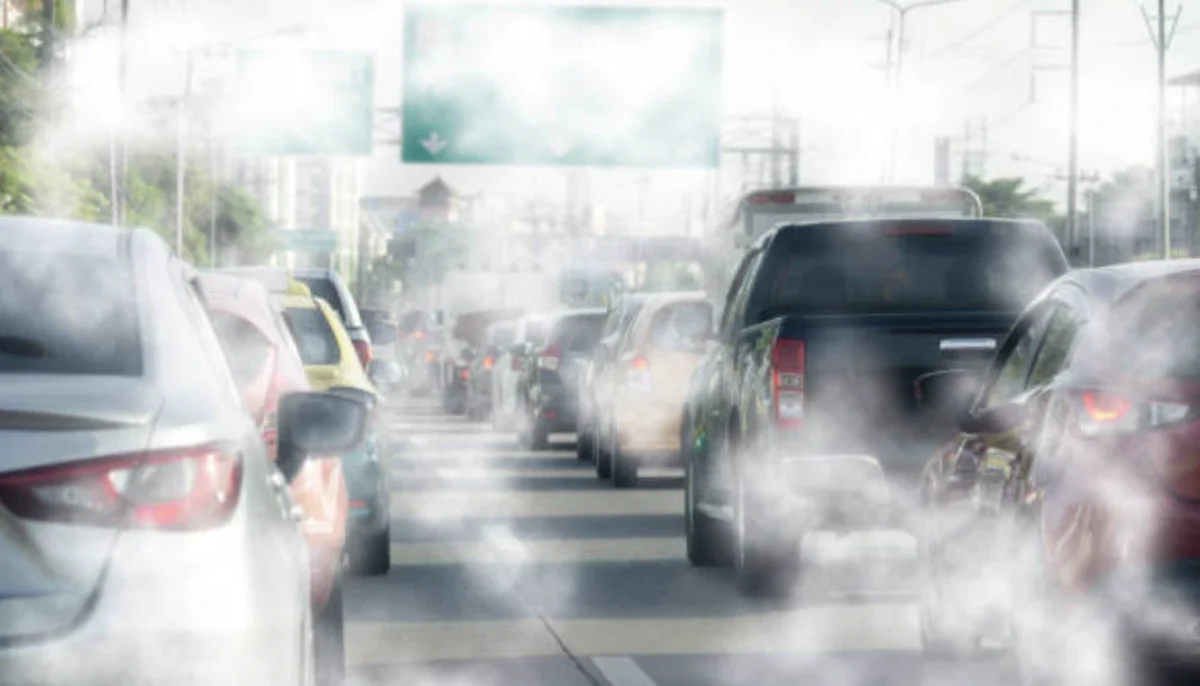
The core issue is environmental and public health impact at scale. Modern vehicle emissions systems are specifically engineered to reduce pollutants like nitrogen oxides and particulate matter — pollutants directly linked to respiratory illness and broader air quality problems. When emissions controls are disabled, especially on diesel trucks, the resulting pollution increase per vehicle can be substantial. Multiply that across hundreds or thousands of illegally modified vehicles — which is the scale several federal cases have actually involved — and the aggregate environmental impact becomes significant enough that regulators and prosecutors have historically treated it as more than a minor infraction.
This is also why defeat device cases are prosecuted differently depending on scale: an individual disabling emissions equipment on their own single vehicle is legally different, and typically treated far less severely, than someone manufacturing and selling thousands of defeat devices as a commercial business — which several of the pardoned individuals were convicted of doing.
What About Just “Fixing” or Modifying Your Own Car?
This is where the legal picture gets genuinely more nuanced, and where a lot of car owners’ actual confusion comes from.
Routine repairs and maintenance are not the issue. Standard repair work — replacing a faulty sensor, fixing a broken exhaust component, or performing manufacturer-approved maintenance — does not run afoul of the Clean Air Act. The law targets tampering with or disabling emissions controls, not repairing them.
Modifying your own vehicle’s emissions system is still legally risky, even without commercial intent. While enforcement has historically focused heavily on commercial defeat device sellers and large-scale violations, the underlying law does technically apply to individual tampering as well. In practice, resource constraints mean regulators have generally prioritized prosecuting large-scale commercial violations over individual hobbyist modifications — but “generally not prosecuted” is different from “legal.”
Recent policy shifts have specifically targeted this ambiguity. Beyond the pardons themselves, the current administration issued a directive instructing the EPA that Americans should be able to work on and modify their own vehicles as they see fit, and ordered federal prosecutors to drop pending investigations and cases specifically tied to defeat devices. That represents a genuine shift in enforcement priorities — but it’s a policy and prosecutorial choice, not a change to the underlying statute. A future administration could, in principle, redirect enforcement resources back toward this category of case.
State-level rules can be stricter than federal enforcement priorities. Some states — California in particular — maintain their own vehicle emissions standards and testing requirements that are stricter than baseline federal enforcement, meaning a modification that avoids federal prosecution can still run into state-level emissions inspection failures or penalties.
How Presidential Pardons Actually Work (And What They Don’t Do)
Since this story centers on a pardon, it’s worth clarifying exactly what a presidential pardon does and doesn’t accomplish, since it’s commonly misunderstood.
A pardon forgives a specific past federal conviction or offense. It does not erase the fact that a crime occurred, and it doesn’t function as a declaration that the underlying law itself is invalid or wrong. Pardoned individuals are legally treated as absolved for that specific offense, but the criminal statute they were convicted under remains fully in effect for everyone else.
A pardon only applies to federal offenses. Presidential pardon power extends to federal crimes; it has no effect on separate state-level charges or penalties, which is relevant given that some states enforce their own emissions violations independently of federal action.
A pardon is different from a change in prosecutorial policy. In this case, two distinct actions are happening in parallel: individual pardons wiping away specific past convictions, and a separate Justice Department directive telling prosecutors to stop pursuing new defeat device cases going forward. The first addresses the past; the second shapes (but doesn’t legally guarantee) how the law gets enforced going forward — a future administration could reverse that prosecutorial approach without needing to change the statute itself.
Historically, presidents have used pardon power for a wide range of purposes — correcting perceived prosecutorial overreach, rewarding political allies, or addressing cases seen as excessively harsh relative to the offense. Evaluating whether any specific pardon reflects genuine injustice, political reward, or something in between is generally a matter of individual case facts rather than something that can be judged from the pardon power itself.
So — Is Modifying Your Emissions System a Prosecutable Risk Right Now?
Based on current federal policy, the practical enforcement risk for an individual modifying their own personal vehicle has genuinely decreased, given the Justice Department’s directive to drop pending investigations in this category. But a few important caveats remain for anyone considering this:
- The underlying federal law hasn’t changed — only enforcement priorities have, and those can shift again under a future administration or DOJ leadership.
- Commercial-scale activity (manufacturing or selling defeat devices) carries a fundamentally different risk profile than individual modification, and remains the category most likely to draw serious legal scrutiny regardless of broader enforcement trends.
- State-level emissions requirements are a separate legal exposure, particularly in states with independent vehicle emissions testing and standards.
- Insurance and vehicle resale implications exist independent of criminal law — modified emissions systems can affect vehicle warranties, insurance claims, and resale value or legality in certain states, regardless of federal prosecution risk.
The Bottom Line
The framing of this story as people simply “fixing their car” captures part of the truth but leaves out important context: several of the pardoned individuals were convicted specifically for commercially manufacturing or selling devices that disabled emissions controls on hundreds of vehicles, not solely for adjusting their own truck in their driveway. Separately, current federal enforcement priorities have genuinely shifted away from prosecuting this category of case — but the underlying law criminalizing emissions tampering remains on the books, unaffected by either the pardons or the policy shift. For anyone actually considering modifying their vehicle’s emissions system, the safest framing is this: enforcement risk may currently be lower, but “lower legal risk under the current administration’s priorities” and “actually legal” remain two very different things.
This article explains general legal and policy information and should not be taken as legal advice. If you have specific questions about a vehicle modification’s legality in your state, consult a licensed attorney or your state’s motor vehicle and environmental regulatory agency.