If your plants are struggling to grow, turning yellow, or failing to produce blooms or fruit, your soil’s pH level might be the problem. Many gardeners across the United States deal with alkaline soil, which can prevent plants from absorbing essential nutrients.
Learning how to make soil more acidic can dramatically improve plant health, boost growth, and help acid-loving plants thrive. The good news? You don’t need to be an expert to fix your soil. With the right approach, you can safely and effectively lower soil pH using both natural and fast-acting methods.
This guide will walk you through everything you need to know—from understanding soil pH to choosing the best acidifying techniques for your garden.
What Does “Acidic Soil” Mean?
Soil pH measures how acidic or alkaline your soil is on a scale from 0 to 14:
- Below 7 = Acidic soil
- 7 = Neutral
- Above 7 = Alkaline soil
Most plants prefer a slightly acidic to neutral pH, typically between 5.5 and 6.5. However, some plants—like blueberries and azaleas—require even more acidic conditions to thrive.
Why Soil pH Matters
Soil pH directly affects how well plants can absorb nutrients. Even if your soil contains essential minerals, plants won’t benefit if the pH is too high (alkaline). This condition, known as nutrient lockout, is a common cause of poor plant health.
Why You May Need to Make Soil More Acidic
There are several signs your soil may be too alkaline:
- Yellowing leaves (especially between veins)
- Slow or stunted growth
- Poor flowering or fruit production
- Weak root development
In many parts of the U.S., especially in dry or desert regions, soil naturally tends to be alkaline. This makes soil adjustment an important step for gardeners and landscapers alike.
How to Test Your Soil pH
Before making any changes, it’s essential to test your soil.
1. Use a DIY Soil Test Kit
Soil test kit available at most garden centers, these kits are affordable and easy to use.
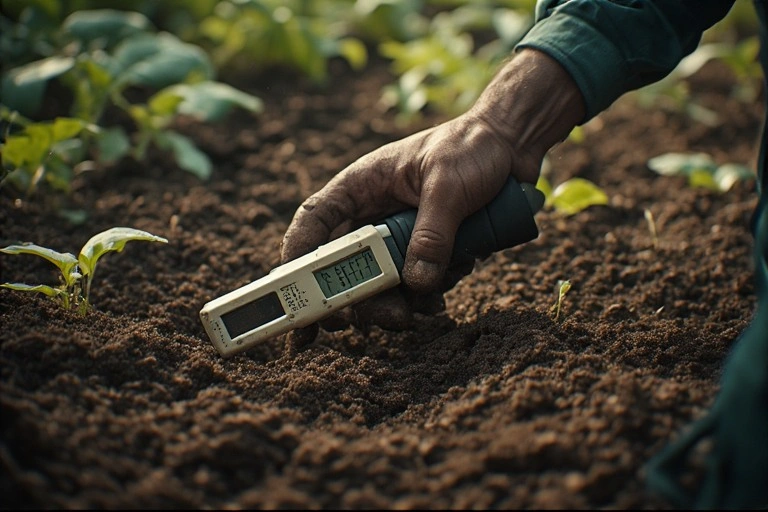
2. Try a Digital pH Meter
Provides quick and accurate readings for ongoing monitoring.
3. Send Soil to a Lab
For the most precise results, especially for large gardens or commercial use.
Testing helps you understand exactly how much adjustment your soil needs, preventing overcorrection.
Fast Ways to Make Soil More Acidic
If you need quick results, these methods are the most effective.
1. Add Elemental Sulfur (Best Overall Method)
Elemental sulfur is one of the most widely recommended solutions for lowering soil pH.
How It Works:
Soil bacteria convert sulfur into sulfuric acid, which gradually reduces pH.
Benefits:
- Long-lasting results
- Effective for large areas
- Safe when used correctly
Tips:
- Apply several months before planting
- Mix thoroughly into the soil
- Water after application
2. Use Aluminum Sulfate (Fast-Acting Solution)
If you need immediate results, aluminum sulfate works faster than sulfur.
Benefits:
- Quickly lowers soil pH
- Ideal for urgent plant issues
Caution:
- Overuse can harm plants
- Follow recommended application rates carefully
3. Apply Acidic Fertilizers
Certain fertilizers naturally lower soil pH over time.
Examples:
- Ammonium sulfate
- Urea-based fertilizers
These are great for maintaining acidity once you’ve reached your desired pH level.
Natural Ways to Acidify Soil
If you prefer organic or gradual methods, these options are effective and eco-friendly.
1. Peat Moss
Peat moss is naturally acidic and improves soil structure.
Benefits:
- Enhances moisture retention
- Improves soil texture
- Provides slow pH reduction
2. Pine Needles
Pine needles are a popular natural mulch for acid-loving plants.
Benefits:
- Slowly increases soil acidity
- Helps retain moisture
- Suppresses weeds
3. Compost and Organic Matter
While compost is usually neutral, certain organic materials can slightly lower soil pH over time.
Examples:
- Leaf mold
- Decomposed plant matter
4. Coffee Grounds
Used coffee grounds are mildly acidic and easy to apply.
Tips:
- Spread thinly to avoid clumping
- Mix into soil rather than layering heavily
Using Water to Adjust Soil pH
Water can also play a role in soil acidity.
Rainwater vs Tap Water
- Rainwater is naturally slightly acidic
- Tap water in some areas is alkaline
Switching to rainwater collection can help maintain acidic soil conditions.
Vinegar Solution (Temporary Fix)
Mixing a small amount of vinegar with water can lower soil pH temporarily.
Important:
- This is not a long-term solution
- Overuse can damage plant roots
How Long Does It Take to Acidify Soil?
The time required depends on your method:
- Sulfur: Several weeks to months
- Aluminum sulfate: A few days to weeks
- Organic methods: Gradual, ongoing improvement
Soil type also matters. Sandy soils change faster, while clay soils take longer.
Regular testing ensures you stay on track.
Common Mistakes to Avoid

Avoid these common errors when trying to acidify soil:
Adding Too Much Too Fast
Over-acidifying can damage plants and soil life.
Skipping Soil Testing
Without testing, you’re guessing—and that can lead to poor results.
Ignoring Plant Needs
Different plants require different pH levels.
Relying Only on Quick Fixes
Temporary solutions won’t provide lasting results.
Best Plants That Thrive in Acidic Soil
If you’re adjusting your soil, consider growing plants that naturally thrive in acidic conditions:
- Blueberries
- Azaleas
- Rhododendrons
- Hydrangeas
- Camellias
These plants will reward you with healthier growth and better blooms when soil pH is properly balanced.
When to Hire a Professional
For larger properties or severe soil issues, hiring a professional may be the best option.
Consider Professional Help If:
- You manage a large garden or landscape
- Soil pH is extremely high
- You want long-term soil management solutions
Landscaping experts can test, amend, and maintain your soil efficiently.
Pro Tips for Long-Term Soil Health
- Test soil at least once per year
- Add organic matter regularly
- Use mulch to maintain moisture and pH balance
- Monitor plant health as an indicator of soil condition
Healthy soil is the foundation of a successful garden.
Learning how to make soil more acidic is one of the most valuable skills for any gardener. Whether you’re growing blueberries, hydrangeas, or simply trying to improve plant health, adjusting soil pH can make a dramatic difference.
The key is to start with a soil test, choose the right method, and make gradual adjustments. With consistency and care, you can create the perfect environment for your plants to thrive.