
Charles de Gaulle International Airport (CDG) in Paris is one of Europe’s busiest and most important aviation hubs. Whether you’re flying in from an international destination or transiting between flights, navigating CDG smoothly is essential for a stress-free travel experience. This guide will help you understand the process, covering what to do first after landing, how to pass through international transfer, and the steps for transitioning from an international arrival to a domestic transfer.
Two Types of Connecting Flights at Charles de Gaulle: Connecting with the Same or Different Airlines
When you arrive in Paris, the signs you need to follow will depend on the type of connecting flight you have. There are two main scenarios:
- Connecting with the Same Airline or Alliance
If you have one reservation number and your final destination is indicated on your baggage label, your connection is likely with the same airline or within the same alliance. In this case, your baggage is typically transferred automatically to your next flight, and you can follow signs for “Flight Connections” to proceed with minimal hassle. - Connecting with Different Airlines
If you have two separate reservation numbers and tickets, you will need to follow different procedures. In this case, you may need to collect your baggage and check in again with the second airline. Be sure to follow the signs for “Baggage Claim” and “Flight Connections” to complete the necessary steps for your onward journey.
Mind Travel Time Between Terminals
The required connecting times at Paris-Charles de Gaulle Airport can vary depending on your flight details. On average, it’s recommended to allow the following time for a smooth connection: the quickest transfer takes about 20 minutes, while the longest may take up to 95 minutes. If you have reduced mobility, it’s advisable to allow extra time for your transfer.
First Thing After Landing at Charles de Gaulle
After your plane touches down at Charles de Gaulle, the first steps you take will set the tone for your transit. Here’s what you need to do right after landing:
Follow the Signs to the Arrival or Transfer Area: As soon as you disembark, follow the well-marked signs directing you to either the arrival area or the transfer zone. Charles de Gaulle is a large airport, and it can be easy to get disoriented, but the airport has clear signage to guide you through the process.
Depending on your arrival and departure terminals, you can either walk or take a shuttle bus to get around the airport. For example, the Blue shuttle operates between Terminal 1 and Terminal 2B-2D, as well as Terminal 2F and 2E Gates L, and Terminal 2E Gates K, and Terminal 2A-2C.
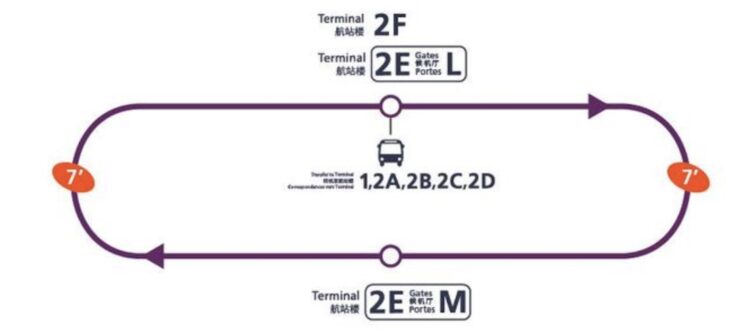
The Violet shuttle connects Terminal 2E Gates M with Terminals 2F and 2E Gates L. The Orange shuttle runs between Terminal 2F and Terminal 2G. Other routes are accessible on foot.
Passport Control and Immigration: For passengers arriving on international flights, the next step is passport control. Here, you’ll need to present your passport, visa (if required), and any necessary travel documents. EU nationals will generally go through a faster process, while non-EU passengers may undergo additional screening or questioning.
Note: Upon exiting the plane, follow the signs for baggage claim and/or the exit. In most cases, you won’t need to go through border control, unless you’re selected for a random check. However, if you’re arriving from a non-Schengen country, you will need to go through border control, which is conducted by the national police.
Baggage Claim (If Applicable): If you’re not in transit and your luggage is not checked through to your next flight, head to the baggage claim area. Look for the monitors to find out the correct carousel for your flight. However, if you’re connecting to another flight, your baggage will likely be forwarded directly to your destination, so you can skip this step.
How to Pass Through International Transfer at Charles de Gaulle
Most of international flights arrival will be at Terminal 1, Charles de Gaulle international airport. If you’re transiting through Charles de Gaulle from one international flight to another, you’ll need to go through several steps to catch your next flight. Here’s how to make the most of your international transfer:
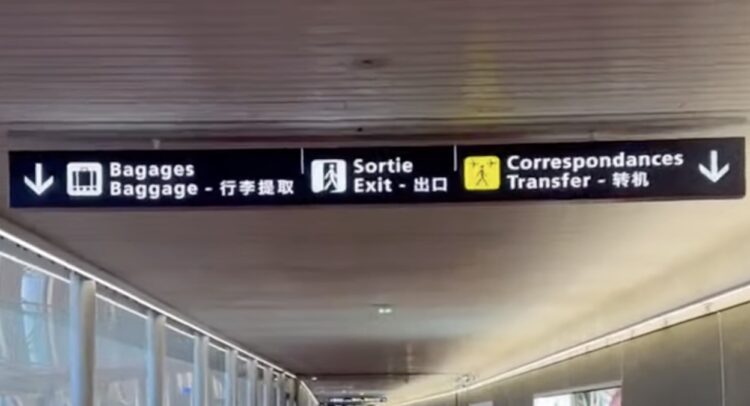
Follow the Signs for Flight Connections: Once you’ve disembarked, look for signs indicating “Transfer” or “Correspondances.” CDG has a dedicated transfer area that guides international passengers to their next flights. Make sure to follow the correct path to avoid unnecessary detours.
Security Screening: While you don’t need to go through customs for international transfers, all passengers must undergo a security screening before proceeding to their next gate. Be prepared to remove electronics, liquids, and any items that might trigger the alarm. Depending on the time of day, security lines can be long, so be sure to allow extra time for this process.
Check Your Connecting Flight Information: Once you’ve passed through security, check the flight information screens for the gate number of your connecting flight. Make sure you’re heading in the right direction, as Charles de Gaulle is quite large, and some gates may be a significant walk or require a shuttle bus.
Relax and Refresh: After passing through security, you’ll find yourself in a wide range of lounges, cafes, and shops. Take the opportunity to rest, grab a snack, or do some duty-free shopping. Many of the airport’s amenities are located after security, so it’s the perfect time to unwind before your next flight.
From International Arrival to Domestic Transfer at Charles de Gaulle
Transferring from an international to a domestic flight at Charles de Gaulle involves a few more steps, particularly when it comes to navigating the airport’s terminals. Here’s what you should know about transitioning from international arrival to domestic flight:
- Follow the Signs for Domestic Connections: After your international flight arrives, follow the signs marked “Correspondances” (Connections) or “Vols Nationaux” (Domestic Flights). You’ll be directed toward a different part of the airport specifically for domestic connections.
- Passport and Border Control: If you’re transferring from an international flight to a domestic one, you will still need to go through French border control. This is standard procedure for all passengers arriving from outside the Schengen Area. Here, immigration officers will check your passport, visa, and any other required documentation before clearing you for entry into France.
- Baggage Claim and Re-checking: If your baggage is not checked through to your domestic flight, head to the baggage claim area to collect it. Afterward, proceed to the baggage re-check desk, where airport staff will take your luggage and send it to your onward flight. Be sure to verify that your bags are properly tagged for your next flight.
- Domestic Security Check: Even though you’ve cleared international passport control, you’ll still need to go through a domestic security checkpoint before accessing your domestic flight’s departure gate. Follow the usual security procedures, including removing liquids and electronics from your carry-on bag.
- Head to Your Domestic Gate: After clearing security, check the monitors for your domestic flight’s gate number. Charles de Gaulle Airport has multiple terminals, and depending on your next destination, your gate may require a bit of walking or a short transfer by shuttle bus. Make sure you leave enough time to navigate between terminals if necessary.
- Wait for Your Flight: Once you’ve located your gate, you’ll have time to relax before your flight. Take advantage of the airport’s amenities, including a wide selection of restaurants, cafes, and shops. If you need to charge your devices, there are charging stations available in the terminal.
Smooth Transit at Charles de Gaulle
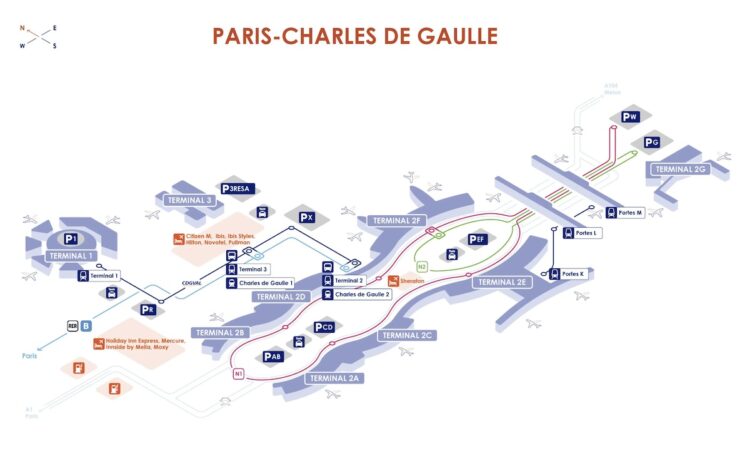
Navigating Charles de Gaulle International Airport doesn’t have to be overwhelming if you know what to expect. Whether you’re passing through on an international transfer or connecting from an international to a domestic flight, understanding the flow of the airport can help you save time and reduce stress.
By following the correct signage, allowing sufficient time for passport control, and being prepared for security checks, you’ll be able to transit through Charles de Gaulle with ease. Bon voyage!