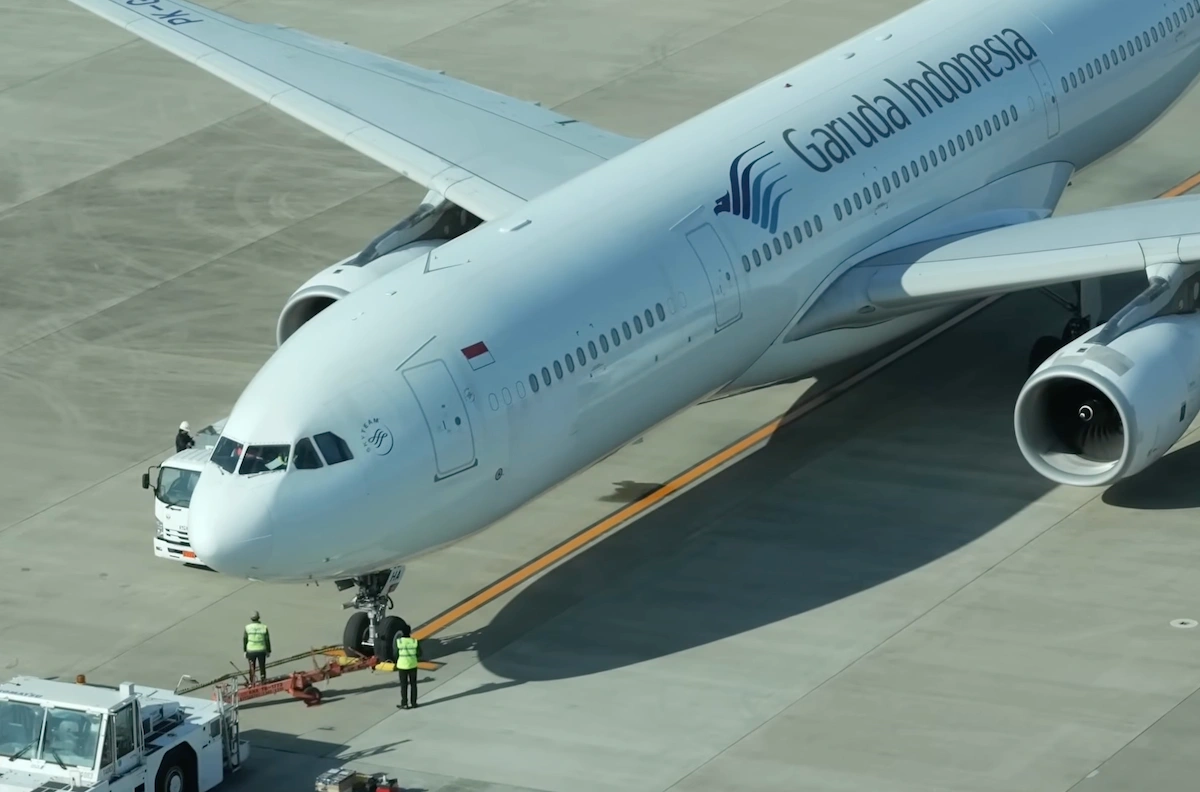
Airline ticket prices often feel confusing. One day a flight is cheap, the next day it is expensive—even for the same seat.
This is because airlines use a system called dynamic pricing.
Let’s understand it in simple English with a real-world example.
What Is Dynamic Pricing in Airlines?
Dynamic pricing means:
Ticket prices change depending on demand, time, and availability.
In simple terms:
- If many people want to fly → prices go up
- If few people want to fly → prices go down
Airlines adjust prices constantly to:
- Fill empty seats
- Earn maximum revenue
- Avoid flying with low occupancy
Why Do Airlines Use Dynamic Pricing?
Airlines have high fixed costs:
- Fuel
- Aircraft maintenance
- Crew salaries
- Airport fees
So they use dynamic pricing to:
1. Maximize Profit
Charge higher prices when demand is strong.
2. Fill Seats
Offer cheaper tickets when demand is low.
3. Compete with Other Airlines
Adjust prices quickly to match competitors.
Real-Life Airline Case Study: Indonesia
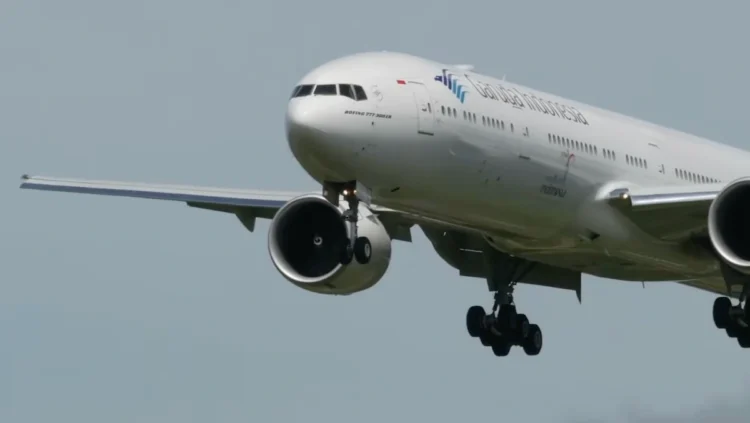
A clear example of airline pricing behavior comes from Indonesia’s domestic aviation market, particularly involving Garuda Indonesia.
What Was Observed?
In 2019, reports showed something unusual:
- On major routes like Jakarta–Surabaya and Jakarta–Bali
- Ticket prices were often set at the maximum allowed government limit
- Prices stayed almost the same regardless of booking time or demand
This meant that instead of prices rising and falling freely, they were often stuck at the top ceiling.
Why Did This Happen? (Simple Explanation)

Indonesia does not have a fully free pricing system.
The government sets:
- A price ceiling (maximum fare)
- A price floor (minimum fare)
So airlines cannot:
- Charge too high above the limit
- Or sell too cheap below the minimum
This creates a “price band” where airlines operate.
What Happened in the Market?
Because of high costs and limited competition:
- Airlines reduced discounting
- Many tickets moved closer to the maximum allowed price
- Low-priced deals became less common
A Reuters investigation found that airlines like Garuda were frequently selling tickets near the top legal limit, especially on busy domestic routes.
Why Indonesia Is a Special Case
Indonesia is an archipelago with:
- Over 17,000 islands
- Heavy dependence on air travel
- Limited alternative transport options
This means:
Flying is not a luxury—it is essential infrastructure.
So even when prices are high, people still need to fly.
The Result: High but Stable Prices
Because of:
- Strong demand
- Limited airline competition
- Government price rules
- High operating costs
Ticket prices often stay consistently high instead of fluctuating freely.
Simple Analogy
Think of it like this:
Imagine a taxi app where:
- The government sets a minimum and maximum fare
- Drivers cannot charge below or above those limits
- Demand is always high
What happens?
Most rides end up costing close to the maximum allowed price.
That is similar to what happens in regulated airline markets.
Is Dynamic Pricing Always Fair?
It has both benefits and drawbacks:
Advantages
- Helps airlines stay profitable
- Keeps seats available
- Balances demand and supply
Disadvantages
- Prices can feel unpredictable
- Customers may pay very different fares for the same seat
- Limited competition can push prices higher
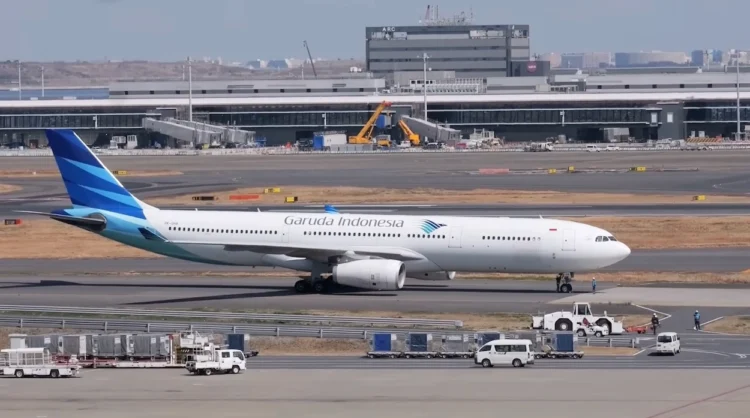
Dynamic pricing is a normal part of the airline industry worldwide. However, the Indonesia case study with Garuda Indonesia shows how regulation and market structure can strongly influence how this system works in real life.
In simple terms:
Dynamic pricing is not just about demand—it is also shaped by rules, competition, and costs.