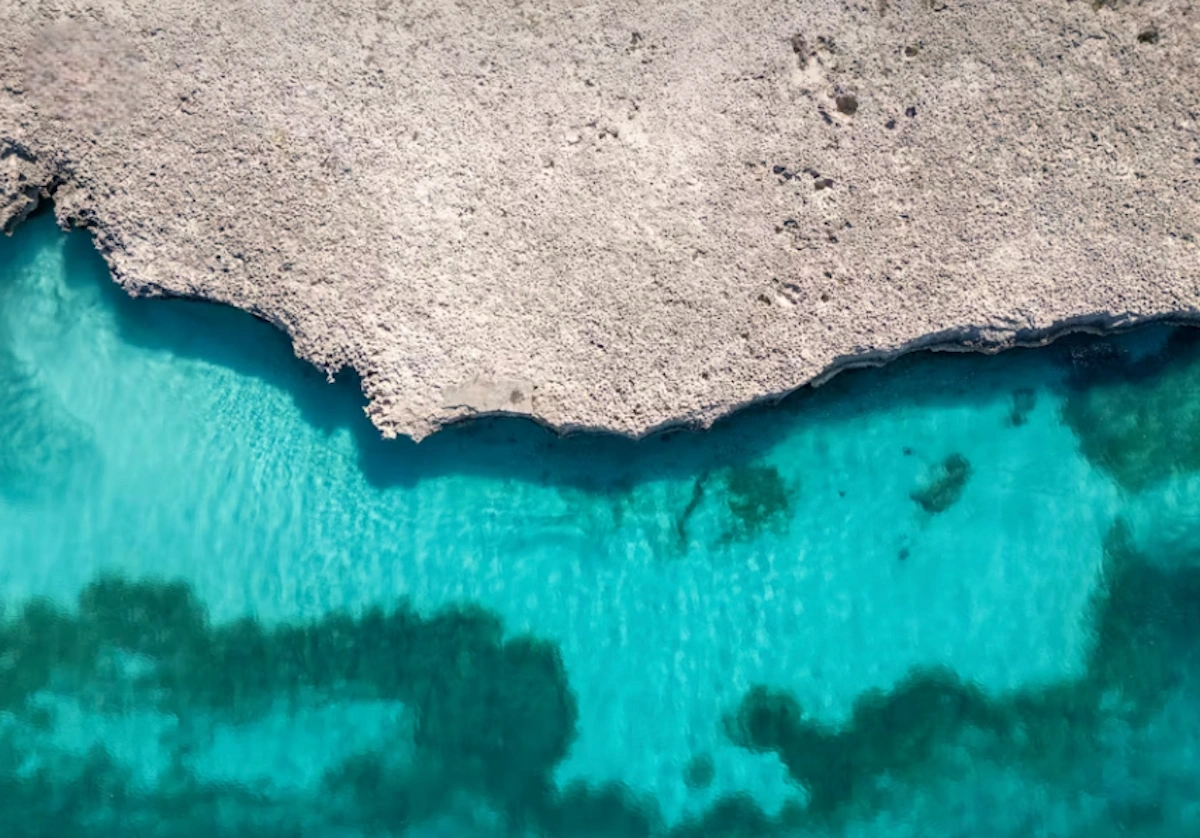
Scattered across an enormous stretch of the South Pacific between Hawaii and New Zealand, the Cook Islands are one of those destinations that genuinely live up to the hype. Fifteen islands, each with its own character, surrounded by water so clear and layered with colour that photographs of it look like they’ve been edited. They haven’t. This guide covers everything: which islands to choose, when to go, what to eat, how to get around, and how to spend your money wisely.
- Quick facts about the Cook Islands
- Which islands should you visit?
- Best time to visit
- Top things to do
- What to eat and drink
- Getting around
- Budget breakdown
- Culture and etiquette
- Practical travel tips
Quick facts about the Cook Islands
- Number of islands: 15
- Currency: NZ Dollar
- Language: English, Māori
- Main gateway: Rarotonga (RAR)
- Time zone: UTC −10
- Avg temperature: 25–29°C
The Cook Islands is a self-governing nation in free association with New Zealand, which means New Zealand citizens can visit and even live there without a visa. Visitors from most countries including Australia, the UK, the US, and most of Europe receive a free 31-day stay on arrival, extendable to up to six months.
Which islands should you visit?
The Cook Islands splits into two groups — the Southern Group, where most visitors go, and the more remote Northern Group of low-lying atolls that require extra planning to reach. Here is a practical overview of the main options:
Rarotonga
Most visited · Best for first-timers
The main island and the country’s social and commercial hub. Mountainous interior, a ring road you can circle in under an hour, and a vibrant local market scene. A good base for those who want variety — beaches, hiking, nightlife, and cultural experiences all within easy reach.
Aitutaki
Most scenic · Best for romance
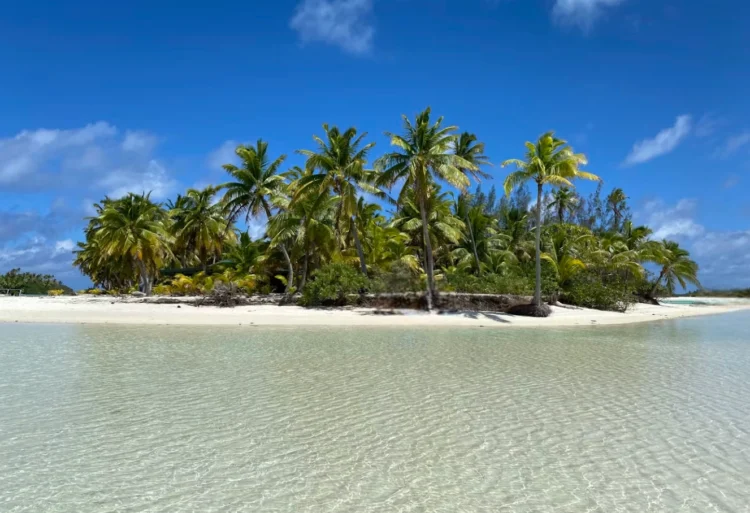
A one-hour flight from Rarotonga, Aitutaki is home to one of the most photographed lagoons on the planet — a vast shallow basin ringed by small uninhabited islets called motu. If you only add one island to your itinerary, make it this one.
Atiu
Off the beaten track · Best for nature
Known as “Birdland” for its remarkable birdlife, Atiu has raised coral limestone terrain called makatea, unique cave systems, and an unhurried pace that feels a world away from tourist infrastructure. Ideal for self-sufficient travellers with an appetite for the wild.
Mauke
Quiet · Best for solitude
One of the smaller southern islands, Mauke is famous among locals for its elaborate flower gardens and its cave swimming spots. The name translates loosely as “the place where my heart rested” — and the island lives up to that quietly poetic billing.
Inter-island flights within the Cook Islands are operated by Air Rarotonga. Book well in advance — particularly if travelling between June and August, when seats sell out weeks ahead during peak season.
Best time to visit
The Cook Islands sits in the South Pacific tropics, which means warm temperatures and plenty of sunshine year-round. But the seasons do matter when it comes to crowds, rainfall, and cost.
May to October — Dry Season
The most popular period for visitors, especially June to August when Australians and New Zealanders take their winter break. Temperatures sit around a comfortable 25°C, rainfall is minimal, and the ocean is calm and ideal for snorkelling and diving. Book accommodation and flights early — things fill up fast.
November to April — Wet Season
Hotter and more humid, with occasional heavy downpours and some cyclone risk between January and March. That said, rain typically passes quickly, and the islands remain lush and beautiful. Fewer crowds, lower prices, and a more local feel make this an appealing option for flexible travellers.
The sweet spot for most visitors is May or September to October — dry season conditions without the peak-season crowds or prices. Shoulder months offer excellent value without sacrificing weather.
Top things to do
On Rarotonga
- Cross-Island Track — A challenging inland hike through dense jungle and cloud forest to the summit of Te Rua Manga (The Needle). One of the most rewarding half-days in the entire Pacific. Go with a guide or go prepared.
- Punanga Nui Market — The Saturday morning market in Avarua is the heartbeat of Rarotonga’s social life. Fresh produce, handmade crafts, black pearl jewellery, and some of the best local street food on the island. Arrive early.
- Muri Lagoon — The postcard lagoon on the south-east coast. Shallow, calm, and brilliantly coloured. Kayak hire, stand-up paddleboard rental, and snorkelling gear are all available cheaply from operators on the waterfront.
- Island Night — A cultural dinner show combining traditional Cook Islands dance, drumming, and ceremony. Te Vara Nui Village’s over-water performance is widely considered the best version. Book ahead.
- Muri Night Market — Open Tuesday, Wednesday, Thursday, and Sunday evenings from 5pm, this outdoor food market draws locals and visitors together around a wide spread of street food and island desserts. Bring cash — most stalls don’t accept cards.
On Aitutaki
- Lagoon Cruise — The Aitutaki Lagoon is best seen from the water. A full-day cruise visits several motu, includes snorkelling stops above coral gardens and giant clams, and typically ends at One Foot Island — where you can get a unique stamp in your passport.
- Umu Cultural Tour — A family-run experience that teaches guests how to prepare and cook food using an underground oven (umu). Includes a tour of traditional medicine plants and a visit to a sacred marae site.
- Snorkelling from shore — Several spots around the island allow strong independent snorkellers to explore the outer reef without a boat. Ask your accommodation for current conditions and access points.
What to eat and drink
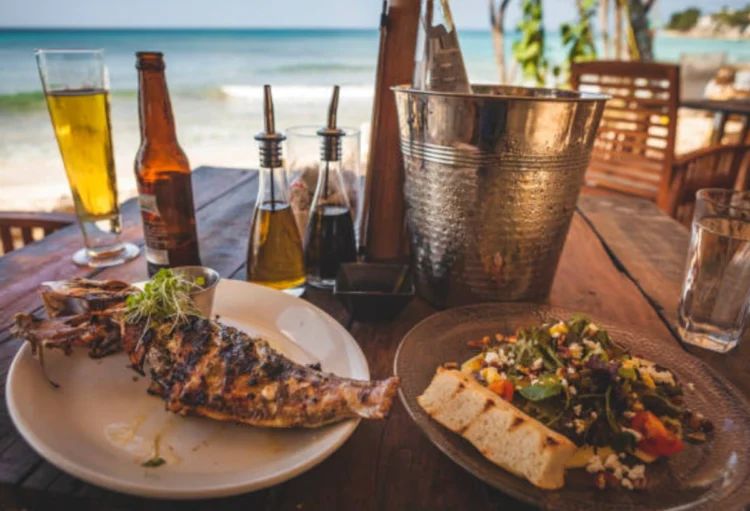
Cook Islands food is a reflection of the country’s Polynesian roots, its geography, and its practical reliance on what the sea and land can provide. On Rarotonga, the dining scene spans local to international, while outer islands are more limited — home-cooked meals at guesthouses are the norm, and often a highlight.
Ika Mata
Raw fish cured in fresh lime juice and softened in coconut cream with onion, tomato, and chilli. The essential Cook Islands dish — order it everywhere you see it.
Umu Feast
Slow-cooked food prepared in a traditional underground earth oven. Fish, taro, breadfruit, and pork wrapped in banana leaves, infused with smoky heat over several hours.
Rukau
Young taro leaves cooked slowly in coconut cream until tender. A mild, earthy side dish served at most local meals and island nights.
Coco Bread
Soft, slightly sweet bread made with coconut. Found at the Saturday market and local bakeries. A simple pleasure that becomes a daily ritual.
For drinks, freshly cracked coconuts are available all over the islands and are the ideal way to rehydrate in the heat. Rarotonga also has its own small craft beer scene, and the Cook Islands Chocolate Factory in Muri offers tastings of locally made dark chocolate from start-of-the-chain cacao grown on the island.
Getting around
Bus (Rarotonga)
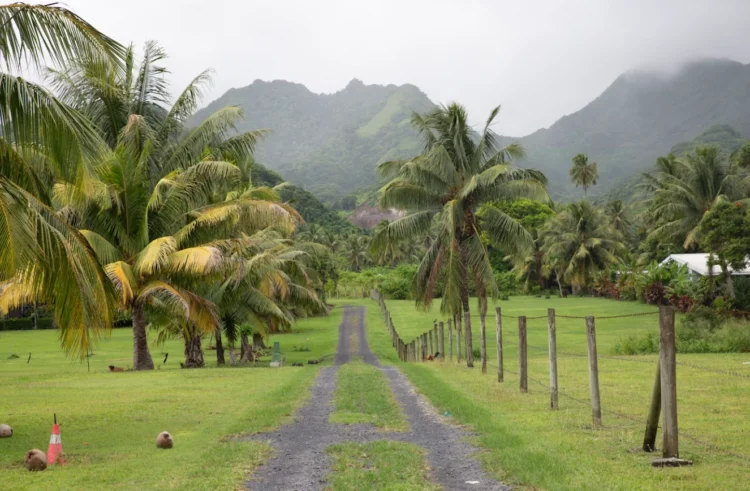
A circular bus runs clockwise and anti-clockwise around the island roughly every hour. A one-way ticket costs NZ$5, a return is NZ$8, and a 10-ride pass costs NZ$30. Day passes at NZ$16 are good value for heavy users. Tickets purchased on board.
Scooter Rental
The most popular way to explore for independent travellers. Available from multiple operators on Rarotonga and Aitutaki for around NZ$27 per day or NZ$115 per week. A valid driving licence from your home country is generally accepted.
Inter-Island Flights
Air Rarotonga connects the main islands. Flights to Aitutaki take around one hour. Book as far in advance as possible, especially for June–August travel when seats are limited.
Hitchhiking
Extremely common and broadly accepted on Rarotonga and the outer islands. The Cook Islands has a strong community culture and locals frequently offer lifts — waiting times are typically short.
Budget breakdown
The Cook Islands is not a cheap destination by Pacific standards. Almost all goods are imported, and the small scale of the islands means competition between businesses is limited. That said, with some planning it is absolutely possible to travel here without spending lavishly.
Budget
NZ$130–180/day
Hostel or guesthouse, self-catering where possible, bus transport, free beaches and snorkelling.
Mid-range
NZ$250–400/day
Comfortable self-catering unit or guesthouse bungalow, dining out for most meals, scooter rental, one or two organised tours.
Luxury
NZ$600+/day
Resort stays, private lagoon cruises, spa treatments, and fine dining. Aitutaki’s top resorts command premium rates but deliver genuinely world-class experiences.
All public beaches in the Cook Islands are legally free to access — even if a resort sits alongside one. This matters: you can use the same stretch of sand as a luxury resort guest without spending a dollar on accommodation.
Culture and etiquette
Cook Islanders are warm, generous, and community-oriented — but their culture carries genuine traditions that visitors should understand and respect.
- Sunday is sacred. Sunday is a day of rest and church attendance across the islands. Many businesses close entirely. If you attend a Sunday church service as a visitor — which many do, for the extraordinary choral singing — dress conservatively and sit quietly at the back.
- Cover up when leaving the beach. Swimwear is entirely appropriate at beaches and lagoons, but it is considered disrespectful to walk through villages or enter shops in beachwear. A light cover-up is all you need.
- Ask before photographing people. A simple acknowledgement before pointing a camera at someone goes a long way and reflects well on you as a visitor.
- Support local first. The Cook Islands’ economy is small and fragile. Choosing locally owned guesthouses, markets, tour operators, and restaurants makes a direct and meaningful difference to the people who live here.
Practical travel tips
- The New Zealand dollar (NZD) is the currency. ATMs are available on Rarotonga but limited on outer islands — carry cash before you leave the main island.
- Reef shoes are worth packing. Some beaches have sharp coral or sea urchins in the shallower water near the reef edge.
- Sunscreen regulations: some resorts and tour operators on Aitutaki require reef-safe sunscreen to protect the lagoon ecosystem. Pack accordingly.
- Wi-Fi is available at most accommodation on Rarotonga and increasingly on Aitutaki, but outer islands have very limited connectivity. Embrace it.
- Rarotonga’s sole international airport (RAR) is the entry point for all visitors. Direct flights arrive from Auckland, Sydney, Los Angeles, and Fiji.