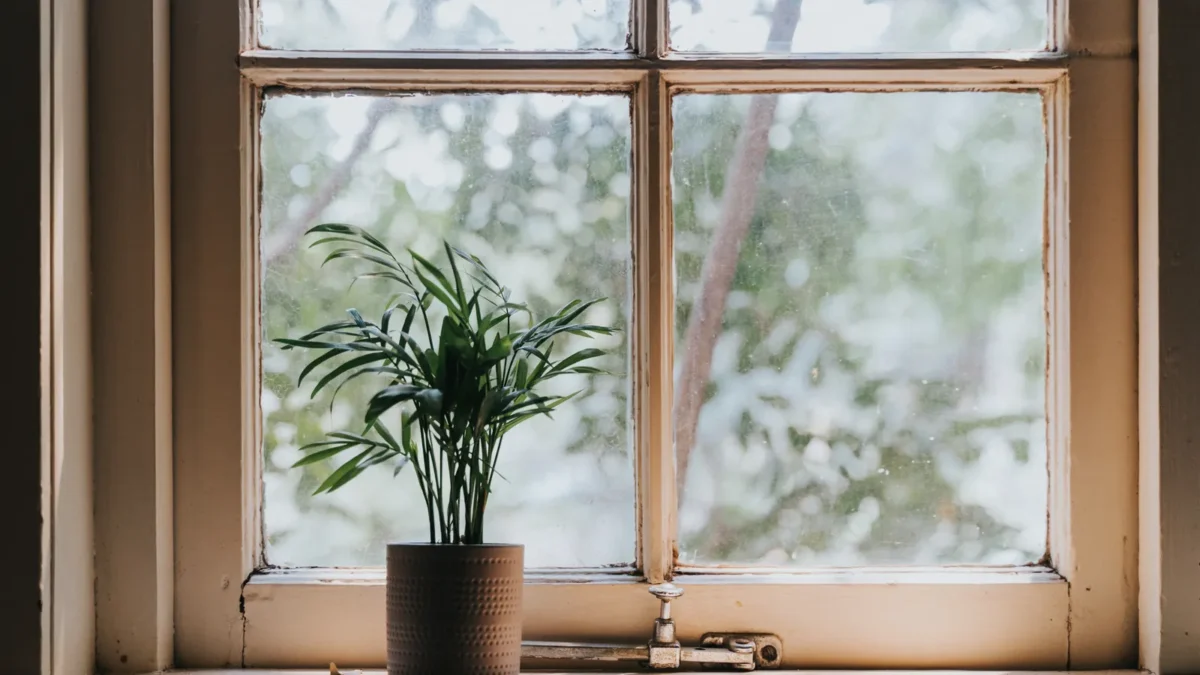
If your houseplants spent the summer on a porch or patio, fall is the time to move them back inside before the first cold nights damage them. Done carelessly, the move can bring in aphids, mealybugs and scale, and the sudden drop in light can make plants shed leaves. The steps below follow guidance from university extension services and keep the process simple.
When to Bring Houseplants Inside
Iowa State University Extension advises moving plants in when nighttime temperatures start to dip consistently to around 50°F. Most tropical houseplants are damaged in the mid-to-lower 40s°F and cannot survive freezing. University of Minnesota Extension suggests starting in late September as nights cool, noting that temperatures below 45–50°F can cause damage. Watch the forecast rather than the calendar, and move plants in before a cold night, not after it.
Step 1: Inspect Every Plant
Look closely at the tops and undersides of leaves, along stems, and in the soil surface for the usual hitchhikers: aphids, mealybugs, scale, spider mites and whiteflies. Remove any dead or yellow leaves while you are at it.
Step 2: Clean Leaves, Pots and Soil
Iowa State recommends rinsing foliage outside and letting it dry before moving plants. Minnesota Extension suggests washing the top and underside of leaves with water and mild dishwashing soap and then rinsing, cleaning the outside of the pot, and treating the soil with soapy water to deal with pests living there. Test a small area first, because some plants are sensitive to soap.
Step 3: Prune or Repot If Needed
Check whether a plant has outgrown its container or become too large for your space. Prune, divide or repot as necessary. If you repot, use fresh potting mix, which also removes pests that were living in the old soil.
Step 4: Quarantine for Three to Four Weeks
Iowa State recommends keeping newly moved plants isolated from your other plants for three to four weeks. Inspect them often and treat problems as soon as you see them, using insecticidal soap if needed. Quarantine is the single best way to protect the plants that have been indoors all along.
Step 5: Help Plants Adjust to Indoor Light
Indoor light is much dimmer than even outdoor shade. Minnesota Extension suggests starting plants in a very sunny window and gradually moving them to their long-term spots with less light, because abrupt changes can cause yellow leaves, wilting or dieback. Some plants, such as tropical hibiscus, may drop leaves at first while they adjust. If your windows are dim in winter, a grow light can help.
Step 6: Change Your Care Routine
- Water less. Lower light, humidity and temperature reduce how much water plants use. Check the soil before watering instead of following a fixed schedule.
- Stop fertilizing. Iowa State advises discontinuing fertilizer in fall and winter, since most plants are not actively growing.
- Check weekly. Keep inspecting for pests for the first few weeks.
Quick Checklist
- Watch for nights near 50°F, then move plants in.
- Inspect leaves, stems and soil.
- Rinse or wash foliage, and clean the pots.
- Prune or repot where needed.
- Quarantine for three to four weeks.
- Place in bright light first, then move gradually.
- Reduce watering and stop fertilizing.
Other Fall Garden Jobs While You Are at It
Fall is a busy season outdoors too. If you are planting for next year, see our guides on how to plant tulip bulbs in fall and how to plant garlic in fall. For the lawn, use our fall lawn care checklist, and consider the case for leaving the leaves in your beds.
FAQ
What temperature is too cold for houseplants?
Extension guidance puts the danger zone for most tropical houseplants at about 45–50°F, with real damage in the mid-to-lower 40s and no tolerance for freezing.
Why are my plants dropping leaves after I brought them inside?
Dropping some leaves is a common response to lower light and changed conditions. Keep the plant in the brightest spot you have, avoid overwatering, and give it time to adjust.
Do I really need to quarantine plants?
It is strongly recommended. Pests can take weeks to become obvious, and quarantine keeps them from spreading to the rest of your collection.
Sources: Iowa State University Extension and Outreach, “How and when do I bring my houseplants back indoors before winter?”; University of Minnesota Extension, “Bringing houseplants back inside.”