Gardening used to mean negotiating with reasonably predictable weather — a wet spring, a warm summer, frost by late fall. That negotiation has broken down. A climate-resilient garden is quickly becoming less of a niche design trend and more of a practical necessity, as gardeners across the US and Canada report longer heat waves, drought stretches where steady rain used to fall, and sudden downpours where a light drizzle once sufficed. NOAA has recorded increasing frequency and duration of summer heat events across the South, Midwest, and West since 2020, with gardeners in zones 6 through 10 now regularly seeing stretches of 90°F-plus days during peak growing season alongside below-average rainfall.
This guide breaks down what actually makes a garden climate-resilient, starting from the soil up, and walks through the plant choices, watering strategies, and design decisions that help a garden survive — and keep producing — through heat, drought, and unpredictable rainfall.
What Makes a Garden “Climate-Resilient”?
A climate-resilient garden is a landscape deliberately designed to adapt to environmental stress rather than collapse under it — built to tolerate fluctuating temperatures, limited water availability, intense storms, and shifting growing seasons, while still staying attractive and productive. The goal isn’t to eliminate risk entirely; unpredictable weather is, by definition, unpredictable. The goal is building enough flexibility into soil health, plant selection, and water management that a single heat wave or dry spell doesn’t wipe out a season’s work.
Start With the Soil, Not the Plants
Most climate-resilient garden advice starts with plant lists, but the more foundational work happens underground. Extreme heat damages plants from the root zone up, and protecting that root zone is the single most important resilience strategy available to home gardeners. Bare soil is a liability during a heat wave — exposed soil temperatures can spike dramatically, stressing roots and killing off the microbial life that keeps soil healthy.
The fix is straightforward: eliminate bare soil wherever possible. High-density planting lets foliage naturally shade the ground, while a layer of organic mulch stabilizes soil temperature and slows evaporation dramatically compared to exposed dirt. Keeping roots cooler allows plants to continue taking up nutrients even during extended heat, rather than shutting down mid-season the way conventional varieties often do.
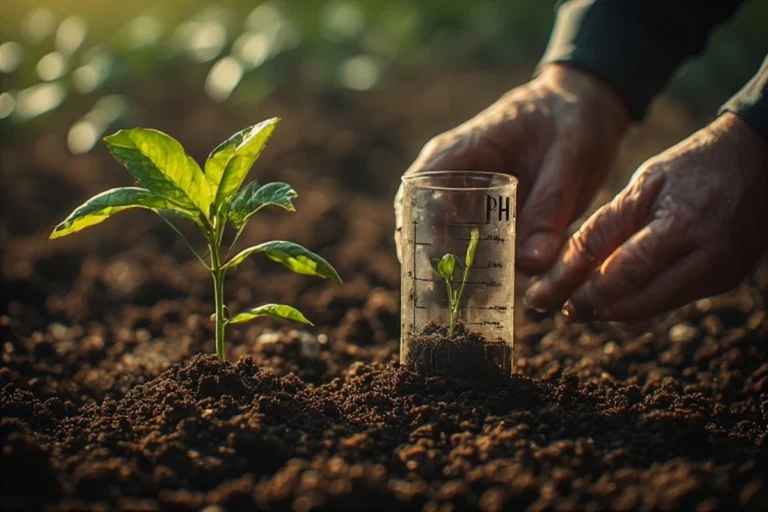
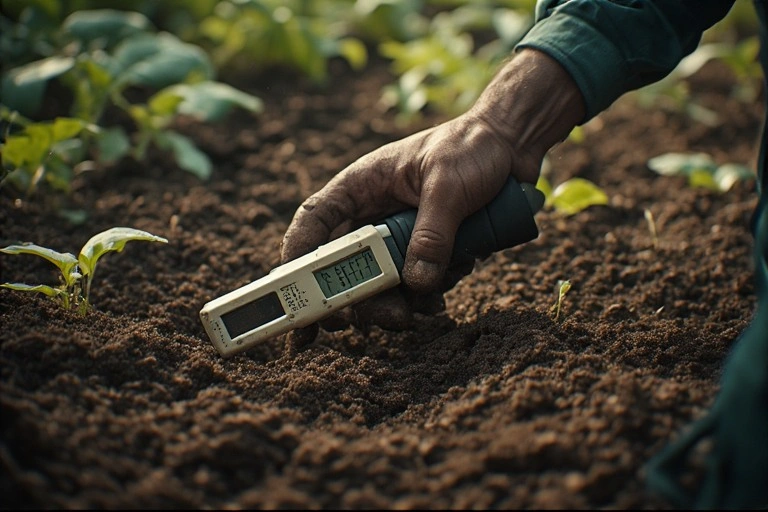
Healthy soil structure also determines how well a garden handles the other extreme: sudden, heavy rainfall. Compacted or poor soil sheds water instead of absorbing it, increasing runoff and erosion risk during storms — while soil rich in organic matter absorbs and holds water more effectively, buffering plants against both drought and flooding with the same underlying improvement. Since soil chemistry varies enormously by region and even by yard, it’s worth testing your soil’s pH at home before making any amendments — a five-minute step that prevents wasted effort on amendments your specific soil doesn’t actually need. From there, comparing the top home soil pH test kits can help you settle on a reliable, repeatable way to track soil conditions across seasons as your garden adapts.
Choosing Climate-Resilient Plants
Plant selection is where climate resilience becomes most visible, and the underlying principle is consistent across every expert source on the subject: prioritize native plants, deep-rooted perennials, and drought-tolerant species that have already evolved to handle regional extremes. Native and regionally adapted plants typically feature deep root systems, silvery or waxy foliage, and slower growth habits that conserve moisture naturally, rather than requiring constant irrigation to stay alive.
For long-term structure, reliable edible anchors like thyme, oregano, sage, rhubarb, asparagus, and berry bushes are known for establishing deep root systems over time, making them dependable choices for a garden meant to hold up over years rather than a single season. On the ornamental side, Russian sage is a frequently recommended pick precisely because it handles both drought and heat without complaint, tolerates poor soil, and thrives across an unusually wide range of USDA zones.
Vegetable gardeners have more heat-tolerant options available than most people realize. Pepper varieties — from sweet Italian and Hungarian types to hot varieties like Jalapeño and Anaheim — actually perform better in prolonged heat once soil temperatures reach the 80–90°F range needed for germination. Potatoes, which originated in the high-altitude Andes, tolerate dry summers better than many garden staples, particularly slower-maturing varieties harvested in autumn after recovering from a dry stretch. Leafy greens bred specifically for heat resilience, like perpetual spinach and New Zealand spinach, keep producing through conditions that would bolt a standard lettuce variety within days. Choosing the right plant for the right soil in the first place also matters more than most gardeners assume — matching specific plant types to the soil conditions they actually thrive in prevents a lot of the stress that later shows up as heat or drought damage but actually started as a mismatch at planting time.
Water Smarter, Not More
One of the most common misconceptions about drought resilience is that it’s primarily about watering more. In practice, it’s about watering more precisely. How irrigation is delivered matters more than how much total water is applied — drip irrigation that delivers water directly to the root zone dramatically outperforms overhead sprinklers, which lose a significant share of water to evaporation and runoff before it ever reaches plant roots.
Grouping plants by water need is a simple design change with outsized impact: keeping high-water plants clustered near a water source while letting low-water, drought-tolerant species dominate the rest of the landscape prevents the common failure mode of overwatering drought-tolerant plants while underwatering thirstier ones nearby. For gardens dealing with the opposite extreme — sudden heavy rainfall — rain gardens, swales, and permeable paths help manage excess water on-site rather than letting it pool, erode soil, or drain away entirely unused.
Designing for Extremes: Shade, Airflow, and Layered Planting
Climate-resilient garden design increasingly borrows from natural ecosystem structure rather than traditional lawn-and-border layouts. Layered planting — combining trees, shrubs, perennials, and ground covers at different heights — mimics how plants naturally shelter and support each other, improving overall resilience compared to isolated plantings with bare soil between them. Where a traditional lawn is still desired, limiting turf to strictly functional areas and choosing drought-tolerant grass varieties reduces the water burden of the highest-maintenance, lowest-resilience element in most yards.
Temporary infrastructure matters too. Shade cloths deployed during acute heat waves and row covers or cloches for unexpected cold snaps give gardeners a way to actively intervene during extreme short-term events, rather than relying entirely on a garden’s baseline resilience to absorb every possible swing. Good drainage — including raised beds in areas prone to waterlogging — rounds out a design built to handle both ends of the extreme-weather spectrum rather than optimizing for just one.
Why This Matters Beyond Your Backyard
A climate-resilient garden isn’t purely a hobbyist concern — it connects directly to household food costs in a way that’s become more visible in recent years. Weather-driven disruptions to large-scale agriculture, the same kind of pattern behind how El Niño conditions have quietly pushed up grocery prices, are part of why home-grown, climate-resilient vegetable gardens have shifted from a lifestyle choice to a genuine hedge against food-price volatility for some households. That shift mirrors a broader move toward sustainable agricultural practices designed to build long-term resilience into the food system at every scale, from backyard beds to commercial farms increasingly betting on healthier, more resilient soil as a long-term investment rather than a seasonal input.
That soil-first philosophy scales in both directions. The same principles driving large-scale regenerative agriculture investment in healthier soil — building organic matter, protecting root systems, reducing water loss — are exactly what a home gardener is doing at a much smaller scale with mulch, compost, and thoughtful plant selection. Getting the fundamentals right at home isn’t just about a better-looking yard; for some gardeners it’s become meaningful supplemental food production, a trend covered in more detail in guides to backyard gardening approaches that can meaningfully offset grocery costs.
A Simple Climate-Resilient Garden Checklist
For gardeners starting this transition gradually rather than all at once, the process breaks down into a few manageable steps: improve soil health first with compost and consistent mulching, install drip irrigation to make every watering session more efficient, and replace the most climate-vulnerable plants in a garden over a few seasons rather than all at once. Late fall through winter — roughly October through February — is the ideal planning window, giving enough time to assess a garden’s specific conditions and research resilient varieties suited to the local climate zone before spring planting begins.
None of this requires abandoning an existing garden’s character or starting from scratch. It requires treating soil health, water efficiency, and plant selection as an ongoing practice rather than a one-time setup — the same shift that’s reshaping agriculture at a much larger scale, applied one backyard at a time.
Frequently Asked Questions
What is a climate-resilient garden?
A climate-resilient garden is designed to withstand and recover from environmental stress like heat, drought, and heavy rainfall, rather than failing under it. It relies on healthy soil, drought-tolerant and native plant selection, efficient irrigation, and layered design rather than traditional high-maintenance landscaping.
What are the best plants for a climate-resilient garden?
Native plants, deep-rooted perennials, and drought-tolerant species with silvery or waxy foliage tend to perform best. Reliable choices include Russian sage, thyme, oregano, sage, rhubarb, asparagus, and berry bushes, along with heat-tolerant vegetables like peppers, potatoes, and heat-resistant spinach varieties.
How does mulch help with climate resilience?
Mulch stabilizes soil temperature and reduces water evaporation, keeping plant roots cooler during heat waves and helping soil retain moisture longer between waterings. It also protects the microbial life in soil that supports healthy nutrient uptake under stress.
Is drip irrigation better than sprinklers for drought-resistant gardening?
Yes. Drip irrigation delivers water directly to the root zone with minimal evaporation or runoff, making it significantly more water-efficient than overhead sprinklers, which lose a substantial share of water before it reaches plant roots.
When should I start planning a climate-resilient garden?
Late fall through winter, roughly October through February, is the ideal planning window. This gives enough time to test and amend soil, research plant varieties suited to your specific climate zone, and prepare irrigation systems before spring planting begins.
Can a climate-resilient garden help with grocery costs?
Yes, to a meaningful degree for some households. As extreme weather increasingly affects large-scale agriculture and grocery prices, home-grown vegetables from a well-planned, resilient garden can offset some food costs while requiring less water and maintenance than a conventional garden.