Quick Context
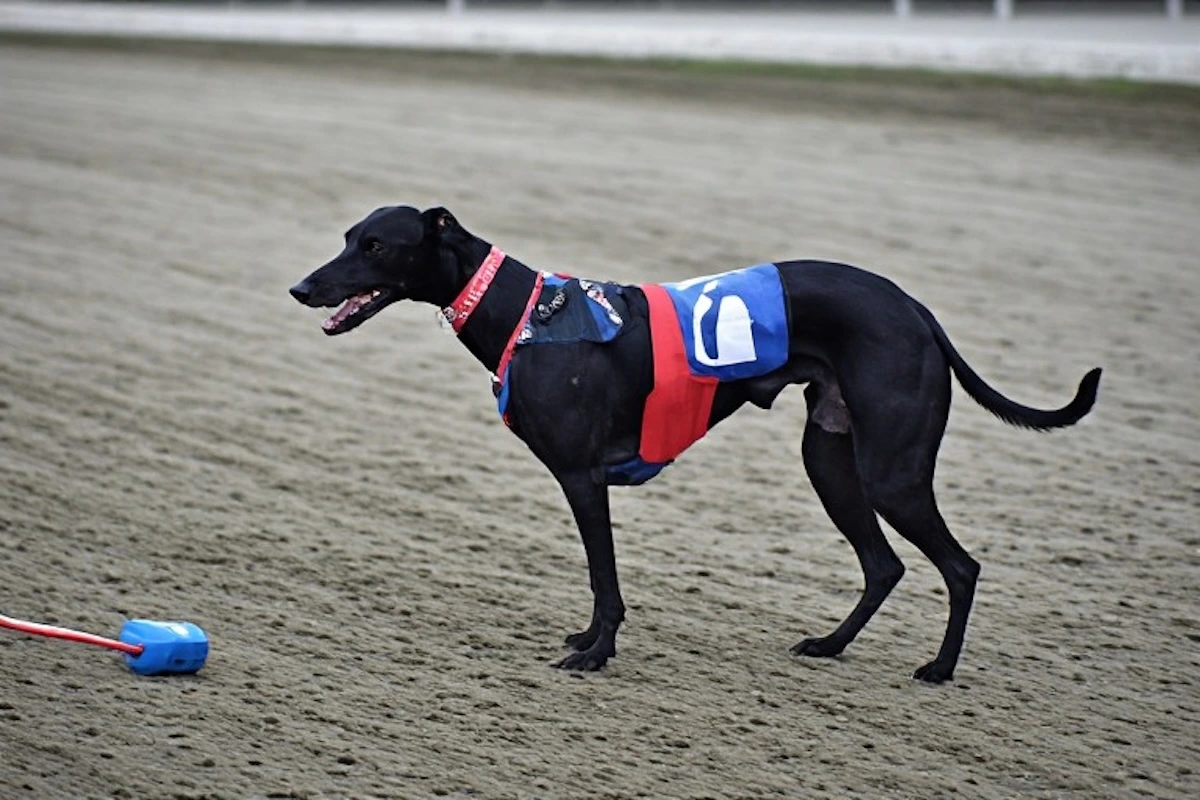
- New Zealand’s ban on commercial greyhound racing took effect on Saturday, August 1, 2026, ending an industry that ran for decades.
- Up to 150 greyhounds are being flown to Australia on chartered flights so trainers can continue racing them there, since the sport remains legal in nearly every Australian state.
- Roughly 1,400 greyhounds in New Zealand need to be rehomed as retired pets under the wind-down.
- The ban followed years of animal welfare concerns; Greyhound Racing New Zealand reported 13 dog deaths from about 36,000 race starts in the sport’s final season.
- A dedicated Greyhound Racing Transition Agency now oversees rehoming for the dogs staying in New Zealand.
Why This Matters Right Now
A country doesn’t ban an entire industry lightly, and New Zealand’s greyhound racing ban is a genuine case study in what happens when public opinion, animal welfare data, and a declining commercial sector all point the same direction at once. What makes this moment specifically newsworthy isn’t just the ban itself — it’s what’s happening in the 48 hours around it: trainers moving dogs across the Tasman Sea rather than retiring them, and a formal transition agency standing up in real time to handle over a thousand animals that don’t have race tracks to run on anymore.
What Happened
New Zealand’s ban on commercial greyhound racing came into force on Saturday, August 1, 2026, following a government decision first announced in December 2024 and legislated in April 2026. The final race meetings were held in the days beforehand, closing out an industry that dated back decades and, at its peak, saw around NZ$612 million wagered on greyhound races in 2022 alone.
As the ban took hold, Greyhound Racing New Zealand (GRNZ) confirmed that at least two chartered flights carrying up to 150 dogs were headed to Australia’s eastern states, where several trainers plan to keep racing them. The move is legal: nothing in New Zealand’s legislation stops trainers from exporting their dogs, and some of the greyhounds involved are already partly owned by Australians.
For the roughly 1,400 greyhounds not making that trip, responsibility now falls to the Greyhound Racing Transition Agency, a body set up specifically to manage rehoming as the industry winds down.
Why New Zealand Banned the Sport
The government’s justification centered on injury and fatality rates that officials called “unacceptably high” despite reform efforts by the industry. Racing Minister and Deputy Prime Minister Winston Peters said in 2024 that the sector had been on notice over welfare concerns for years, and that dogs would be “rehomed, not re-racetracked” — meaning they could still run recreationally, just not competitively on a track.
Even GRNZ’s own numbers from its final season point to the scale of the concern: 13 dog deaths from roughly 36,000 race starts. The SPCA welcomed the ban as “an historic moment,” while acknowledging it as part of a broader international shift — pointing to moves in Scotland and Wales to phase out greyhound racing and Tasmania’s decision to end financial support for the sport.
Key Players
| Actor | Role | Position |
|---|---|---|
| New Zealand government (Winston Peters) | Announced and legislated the ban | Cited persistently high injury and fatality rates as the deciding factor |
| Greyhound Racing New Zealand (GRNZ) | Industry governing body | Defended its welfare record while confirming exports to Australia are underway |
| Greyhound Racing Transition Agency | New body overseeing the wind-down | Managing rehoming for an estimated 1,400 dogs |
| SPCA | Animal welfare organization | Welcomed the ban as part of a wider international trend |
| Australian Department of Agriculture, Fisheries and Forestry | Regulates imports | Says arriving greyhounds are classed as “companion animals,” screened for disease based on biosecurity risk, not intended use |
Why Australia, Specifically
The export plan works because of a simple regulatory gap: greyhound racing remains legal in almost every Australian state (the Australian Capital Territory is the exception), and the industry there is far larger commercially. Queensland, New South Wales, and Victoria’s greyhound racing industries were collectively worth almost A$2 billion in 2022–23, dwarfing New Zealand’s roughly NZ$147 million total, according to Greyhounds Australasia figures.
That size gap matters for another reason too: New Zealand breeding has largely paused since the ban was first announced 18 months ago, meaning the dogs heading to Australia are likely to be less competitive against Australia’s deeper, still-active breeding pool. New Zealanders can still legally bet on Australian greyhound racing even though the sport is now banned domestically, which is part of what keeps this cross-border pipeline commercially viable for trainers.
Australia’s government has framed the import process narrowly: dogs arriving from New Zealand are classified as companion animals and screened for diseases like rabies based on standard biosecurity risk assessments, not based on the fact that they’re racing greyhounds.
The Bigger Picture: A Shrinking List of Countries
Commercial greyhound racing is now legal in only a handful of places worldwide: Australia, Ireland, the United Kingdom, and the United States, alongside a few countries like Mexico and Vietnam where it remains legal but no tracks currently operate. New Zealand’s exit follows a broader pattern of individual jurisdictions stepping back from the sport — including New South Wales’s short-lived 2016 ban attempt (later reversed) and the Australian Capital Territory’s 2018 prohibition — even as the practice continues at scale elsewhere.
What Happens Next
- Rehoming continues in New Zealand. The Transition Agency’s task of finding homes for roughly 1,400 retired greyhounds will likely take months, not days.
- Watch Australian state-level scrutiny. Western Australia currently has a parliamentary inquiry into greyhound racing underway, and there’s a federal bill in progress aimed at banning gambling on the sport — either could reshape the landscape the newly arrived New Zealand dogs are racing into.
- The competitiveness question. Because New Zealand breeding paused well before the ban took effect, it remains to be seen how competitive the relocated dogs will actually be against Australia’s larger, still-active industry.
- International momentum. The SPCA has explicitly framed New Zealand’s ban as part of a growing global trend; whether other jurisdictions — including parts of Australia itself — follow with further restrictions is one of the more consequential open questions here.
For travelers with a general interest in Australia’s eastern states, where these dogs are now headed, it’s worth noting that Townsville’s under-the-radar attractions sit in Queensland — one of the three states where the greyhound racing industry the dogs are joining is concentrated.