How to Choose the Right Soil for Healthier, Faster-Growing Plants
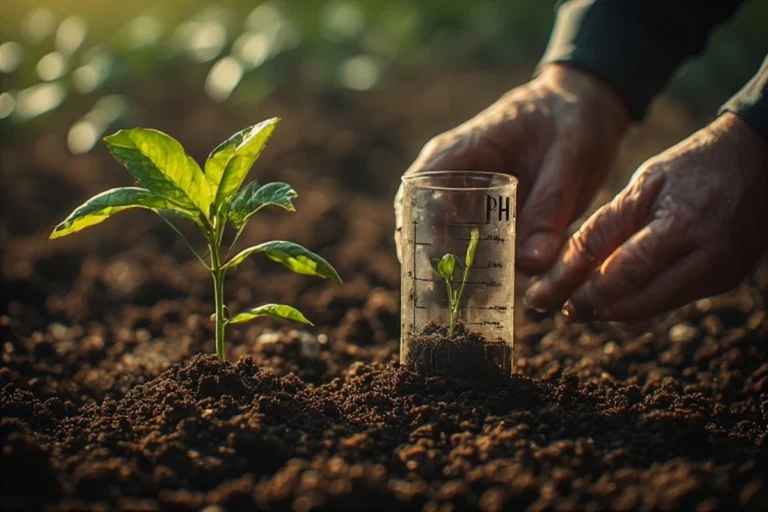
If you want your plants to thrive, the secret isn’t just watering or sunlight—it’s the soil. Choosing the best soil for plants can make the difference between slow growth and a lush, productive garden.
Many gardeners struggle because they don’t understand the different soil types for gardening or how to match soil with plant needs. The good news? Once you learn the basics, you can dramatically improve plant health, boost yields, and even reduce maintenance.
This complete guide will help you understand soil types, improve your soil, and match the right soil to the right plants.
Why Soil Type Matters for Plant Growth
Soil does much more than hold plants in place. It plays a critical role in:
- Delivering nutrients
- Retaining moisture
- Supporting root growth
- Providing oxygen to roots
Even if you water regularly and use fertilizer, poor soil can limit your plant’s ability to absorb nutrients. That’s why understanding soil types is essential for successful gardening.
Understanding the Main Soil Types for Gardening
There are three primary soil types you’ll encounter:
- Sandy soil
- Clay soil
- Loam soil
Most garden soils are a mix of these, but one type usually dominates.
Sandy Soil: Fast-Draining but Low in Nutrients
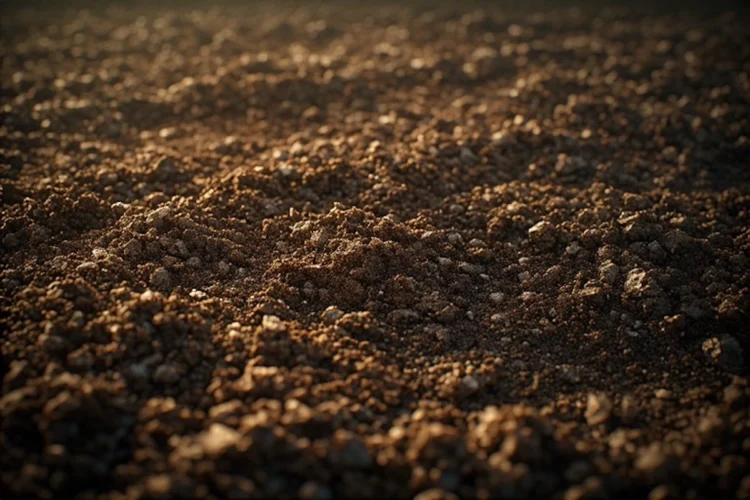
Characteristics:
- Large, coarse particles
- Drains water quickly
- Warms up fast in spring
- Low nutrient retention
Advantages:
- Easy to work with
- Prevents waterlogging
- Ideal for root crops
Disadvantages:
- Dries out quickly
- Nutrients wash away easily
- Requires frequent watering
Best Plants for Sandy Soil:
- Carrots
- Potatoes
- Radishes
- Lavender
- Succulents
Improvement Tips:
- Add compost or organic matter
- Use mulch to retain moisture
- Incorporate peat moss
Clay Soil: Nutrient-Rich but Poor Drainage
Characteristics:
- Fine, dense particles
- Holds water for long periods
- High nutrient content
- Slow to warm up
Advantages:
- Retains nutrients well
- Requires less frequent fertilizing
Disadvantages:
- Poor drainage
- Compacts easily
- Difficult for roots to grow
Best Plants for Clay Soil:
- Broccoli
- Cabbage
- Kale
- Sunflowers
- Asters
Improvement Tips:
- Add compost to loosen soil
- Use gypsum to improve structure
- Avoid working soil when wet
Loam Soil: The Ideal Soil for Most Plants
Characteristics:
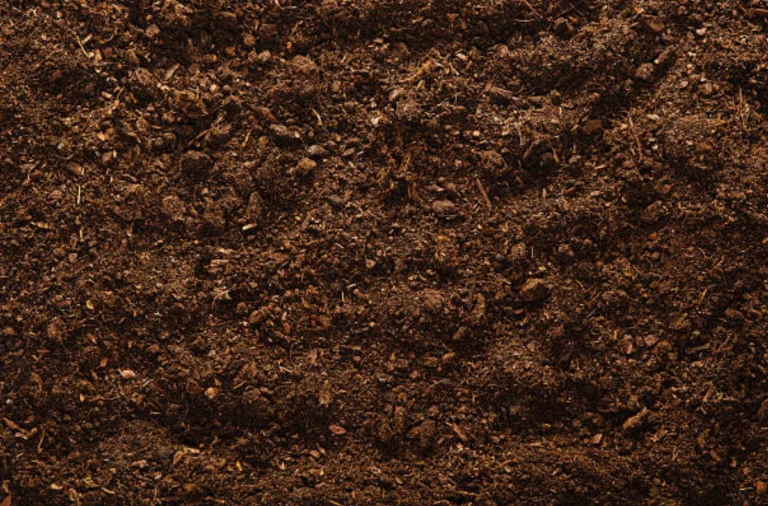
- Balanced mix of sand, silt, and clay
- Good drainage and moisture retention
- Rich in nutrients
- Soft and crumbly texture
Advantages:
- Ideal for most plants
- Easy root penetration
- Balanced water retention
Disadvantages:
- Can still benefit from maintenance
- Requires organic matter replenishment
Best Plants for Loam Soil:
- Tomatoes
- Peppers
- Beans
- Roses
- Most vegetables and flowers
Why Loam Is the Best Soil for Plants:
Loam provides the perfect balance of nutrients, water retention, and drainage—making it the top choice for gardeners.
Soil Amendments: How to Improve Any Soil Type
No matter what soil you have, you can improve it using soil amendments.
1. Compost
Compost is one of the most effective ways to improve soil.
Benefits:
- Adds nutrients
- Improves structure
- Enhances water retention
2. Organic Matter
Adding organic materials helps all soil types.
Examples:
- Leaf mold
- Grass clippings
- Aged manure
3. Sand (for Clay Soil)
Adding sand can improve drainage in clay soil, but it should always be combined with organic matter.
4. Peat Moss
Peat moss improves moisture retention and slightly lowers soil pH.
👉 If your soil is too alkaline, learn how to make soil more acidic.
5. Fertilizers
Fertilizers provide essential nutrients but should be used carefully to avoid overfeeding.
Matching Soil Types to Plants
Choosing the right soil for your plants is one of the most important steps in gardening.
Vegetables
Most vegetables prefer loamy soil because it provides balanced nutrients and drainage.
Best Soil:
- Loam enriched with compost
Flowers
Flowering plants often need well-draining soil.
Best Soil:
- Loam or sandy loam
Herbs
Many herbs thrive in slightly dry conditions.
Best Soil:
- Sandy or well-drained soil
Trees and Shrubs
These plants need soil that supports deep root growth.
Best Soil:
- Loam or clay-loam mix
Fruit Plants
Fruit-bearing plants require nutrient-rich soil.
Best Soil:
- Loam with organic matter
👉 If your soil is too alkaline, learn how to make soil more acidic.
How to Test Your Soil Type at Home
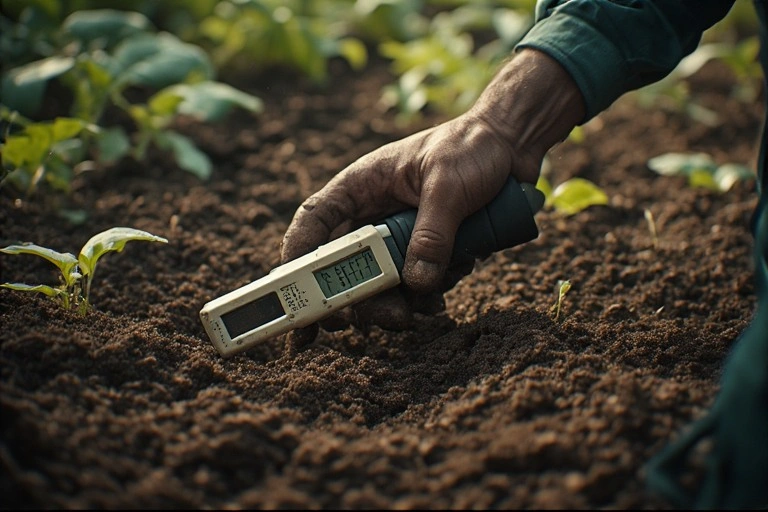
You don’t need special tools to identify your soil type.
Simple Hand Test:
- Rub soil between your fingers
- Sandy soil feels gritty
- Clay soil feels sticky
- Loam feels soft and crumbly
Jar Test:
- Fill a jar with soil and water
- Shake well
- Let it settle
Layers will form:
- Sand at the bottom
- Silt in the middle
- Clay on top
Soil Drainage and Water Retention
Proper drainage is essential for plant health.
Poor Drainage:
- Causes root rot
- Leads to mold and disease
Good Drainage:
- Allows oxygen to reach roots
- Prevents overwatering issues
You can improve drainage by:
- Adding organic matter
- Raising garden beds
- Mixing soil types
Common Soil Mistakes to Avoid
Avoid these mistakes to keep your soil healthy:
Ignoring Soil Type
Each plant has different soil needs.
Overwatering
Especially in clay soil.
Not Adding Organic Matter
Soil needs regular replenishment.
Using the Same Soil Everywhere
Different plants require different conditions.
Tips for Maintaining Healthy Soil
- Add compost annually
- Rotate crops
- Use mulch to retain moisture
- Test soil regularly
- Avoid chemical overuse
Soil Knowledge Can Become a Business Opportunity
Understanding soil types isn’t just useful for gardening—it can also become a source of income.
You can:
- Offer soil improvement services
- Sell custom soil mixes
- Start a gardening business
👉 Knowing how to adjust soil conditions (like how to make soil more acidic) gives you a competitive advantage and increases plant quality.
Choosing the right soil is one of the most important steps in successful gardening. Whether you’re growing vegetables, flowers, or trees, understanding the different soil types for gardening will help you make better decisions and achieve better results.
While loam is often considered the best soil for plants, every soil type can be improved with the right techniques and care.
And remember, soil isn’t static—it evolves. With consistent improvement and attention, you can transform any soil into the perfect growing environment.
👉 If your soil is too alkaline, learn how to make soil more acidic.