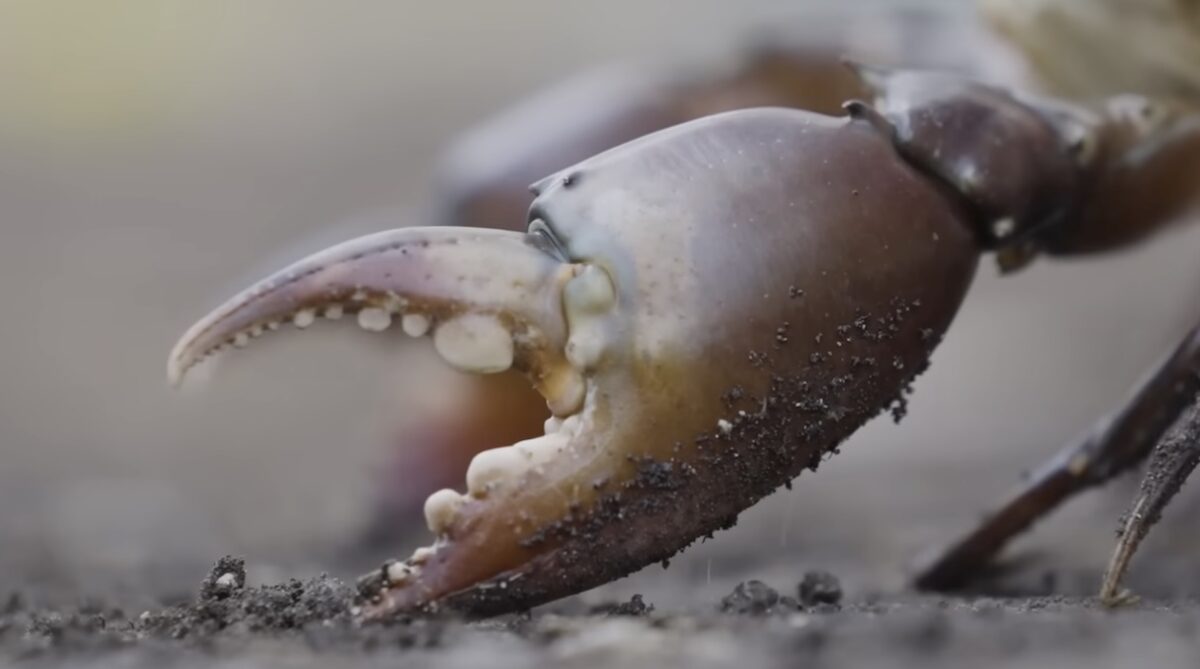
Mud Crabs: A High-Value Treasure of Asia’s Coastal Waters
Mud crabs, particularly those belonging to the Scylla species, are among the most sought-after crustaceans in the seafood market. With their large claws and sweet, meaty flesh, they command premium prices and have become staples in regional cuisine—from traditional Indonesian preparations using mangrove fruits to the iconic Singapore chili crab found in world-renowned restaurants.
As culinary demand grows, so does economic opportunity. But this booming aquaculture business also faces severe challenges, including overfishing, habitat loss, and the accelerating destruction of the mangroves ecosystem that mud crabs depend on for survival.
Rising Demand and the Pressure on Natural Habitats
Across Asia, market demand for mud crabs is at an all-time high, particularly in Singapore, which has become the world’s second-largest importer. Ironically, even though chili crab is the city-state’s national dish, nearly 100% of its mud crabs are imported due to the collapse of local populations.
The story is similar throughout the region. Vast stretches of Asia’s mangroves—vital breeding grounds for Scylla species—have been cleared for aquaculture ponds, coastal development, and timber. Indonesia, which holds nearly one-fifth of the world’s mangroves, has already lost about half of them in the last 30 years.
Without intervention, mud crab numbers could follow the same downward path, making sustainable approaches to crab farming and fisheries management more urgent than ever.
Kampoeng Kepiting: A Community Model for Sustainable Aquaculture
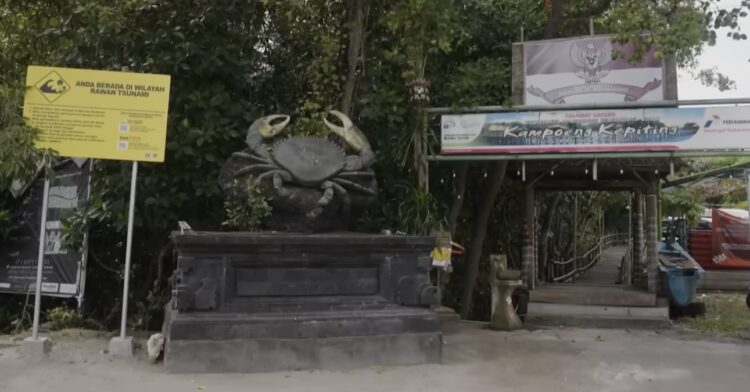
Amid these challenges, Kampoeng Kepiting (Crab Village) in Bali stands out as an inspiring example of community-based business built on environmental stewardship.
Located in the heart of a dense mangrove forest, this Bali fishing community has combined traditional fishing methods—like bamboo traps (bubus), hand-catching, and bent-iron probing tools—with innovative practices to support both crab populations and local livelihoods.
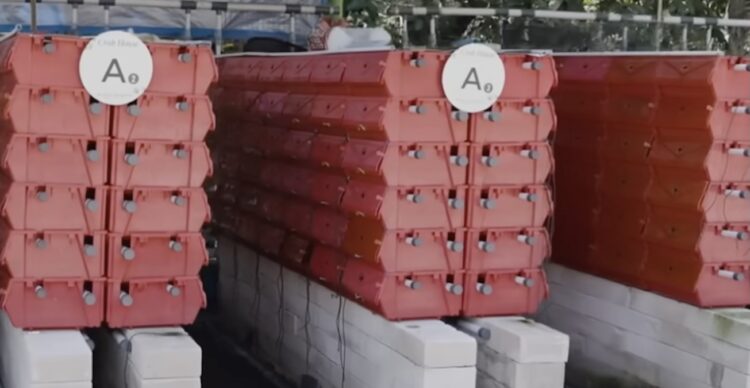
One of their most groundbreaking ideas is the creation of “crab apartments”—plastic containers where juvenile crabs are raised until they reach a harvestable size. This method protects younger crabs, allows for more controlled crab cultivation, and ensures only mature individuals enter the market. The village enforces stricter size limits than national regulations, requiring crabs to reach 300 grams before being sold. This gives smaller crabs the time they need to grow, reproduce, and contribute to population recovery.
With more than 500 crab apartments on-site, the village has successfully blended biology, innovation, and business into a sustainable model.
A Business Built on Conservation
The uniqueness of Kampoeng Kepiting lies in the way its economic activities directly support environmental preservation. Revenue generated from the village’s restaurant—and its eco-tourism activities—flows back into initiatives like:
- Mangrove conservation and replanting
- Pollution cleanup
- Education programs for local youth
- Research-based fisheries management
Fishermen catch only enough mud crabs to serve restaurant visitors, maintaining a balance between economic needs and ecological health. This approach not only keeps the mangroves intact but strengthens the long-term viability of the sustainable seafood sector.
Women in the village also play a major role, running the restaurant and creating value-added dishes that attract visitors from around the world. Their signature recipes—including sautéed mud crab and unique local spice blends—help transform high-quality crab meat into high-value culinary experiences.
The Future of Asia’s Mud Crab Industry
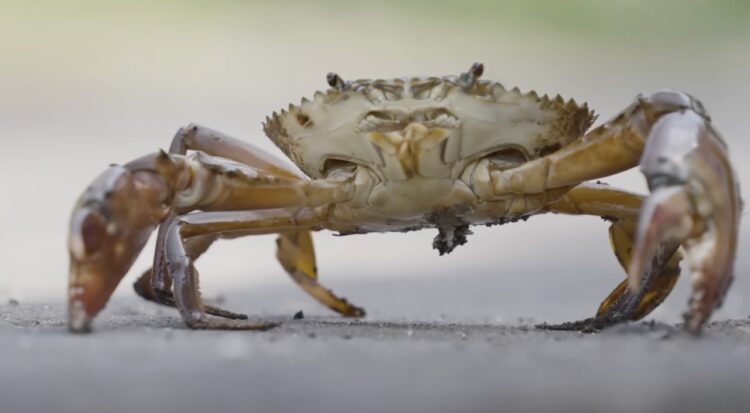
Despite promising efforts in places like Bali, the challenges facing Asian mangroves remain significant. Organizations such as the International Union for Conservation of Nature warn that over half of the world’s mangrove ecosystems may collapse by 2050. Without these vital coastal forests, mud crabs—and countless other marine species—face a steep decline.
However, the success of community-driven models demonstrates that a balanced future is possible. A combination of sustainable aquaculture, responsible harvesting, community leadership, and ecological restoration will be essential to safeguarding the mud crab industry.
As consumers continue to seek high-value seafood, they increasingly expect transparency, sustainability, and ethical sourcing. This shift in consumer behavior creates powerful incentives for governments, businesses, and fishing communities to invest in conservation.
A Path Forward for Crabs, Communities, and Coasts
The story of mud crabs in Asia reflects both the challenges of modern seafood demand and the potential for smarter, more sustainable solutions. Protecting the mangroves ecosystem, supporting community-based business models, and fostering responsible crab farming are critical steps toward securing a future where mud crabs remain abundant—and the communities that depend on them can thrive.
From the hands of fishermen like Kelik to the kitchens of Singapore’s elite restaurants, the journey of the mud crab continues to highlight the delicate balance between nature, culture, and commerce.