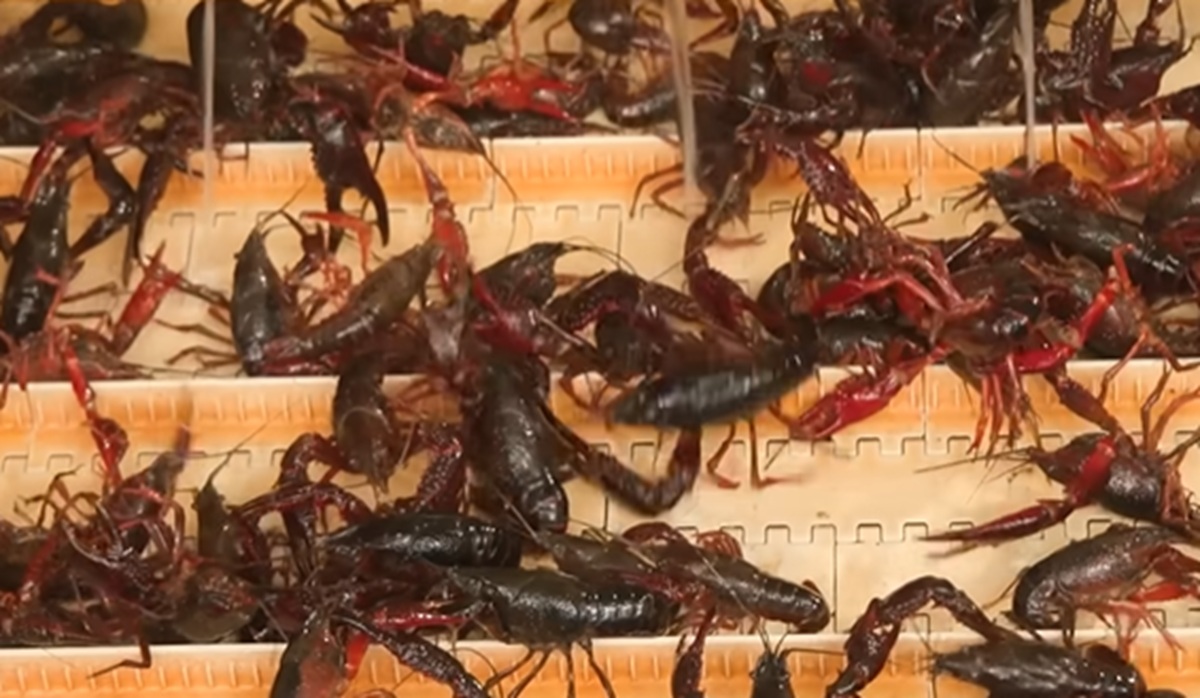
Louisiana may be known for jazz, Mardi Gras, and Cajun cuisine—but few realize that it also produces 90% of the United States’ crawfish. What was once a small regional delicacy has become a $300 million industry that fuels local economies and supports thousands of jobs. Yet behind every pound of crawfish eaten across the country is a race against time—and a fight for survival.
A Fast-Ticking Clock: Why Every Minute Matters
Every morning, crawfish farmers haul in up to 60,000 pounds of live crawfish. Once they leave the water, the clock starts ticking. They must be weighed, sold, washed, and packed into coolers within just three hours. If not, the heat can kill them—and even one dead crawfish can spoil the batch.
“As soon as they’re dead, it starts breaking them down extremely fast. They’ll get mushy and spoil,” explains farmer and entrepreneur Madison McIntyre.
Keeping the crustaceans alive is not just a challenge—it’s the lifeblood of the business.
The Rice-Farming Gamble That Changed Everything
Surprisingly, modern crawfish farming is less than 40 years old. In the 1980s, Louisiana rice farmers were struggling with declining profits. Out of necessity, they made a bold move:
👉 What if crawfish could be cultivated in rice fields?
It paid off—and fast.
Why Rice Fields Are Perfect for Crawfish
The ecosystem is almost designed for crawfish:
- Flooded fields provide the ideal wetland habitat
- Rice plants offer shade and protection
- Microorganisms like algae and larvae provide food
- Crawfish waste naturally fertilizes the soil
As fourth-generation farmer Jim Johnson said,
“There’s almost no better combination of vegetation to go with crawfish.”
The timing is perfect. When the rice is harvested, crawfish burrow deep into the mud with their babies. By winter, they’re ready to be caught—and boiled.
From Fields to Millions: The Rise of Madison McIntyre
Nine years ago, Madison and his friend Charlie sold crawfish out of a truck at an abandoned gas station. Today, he manages 4 million pounds of crawfish a year under his company Parish Seafood Wholesale—one of the largest in Louisiana.
What sets Madison apart?
- He owns every part of the supply chain
- He farms, buys, hauls, processes, and sells crawfish
- He runs a factory, restaurants, and 14 trucks—24/7
His operation employs over 60 workers, many under labor visas. With long shifts and high temperatures, the work is tough—but the results are impressive.
Survival in the Wild West of Seafood
The crawfish industry is still unregulated and fast-moving—a real Wild West of agriculture. There are no contracts, just handshake deals. Buyers can disappear overnight. And one bad season can destroy a company.
As competition grew, costs soared:
- Inflation increased operating costs by 40%
- Fuel alone cost $150,000 more than usual
- Most companies rely on 95% foreign labor
- Dozens of crawfish businesses have closed
Madison survived because he reinvested over 80% of his profits back into operations.
He puts it simply:
“We don’t get big salaries. But we have backup everything. Because one breakdown could end it all.”
A Taste of Tradition: Cajun Crawfish Culture
Crawfish isn’t just a business—it’s a tradition rooted in centuries of Louisiana culture. The Houma Indigenous people named themselves after the word for crawfish and used it as a war symbol. Later, Cajuns—French Canadians exiled to Louisiana—brought their recipes and turned crawfish into a culinary icon.
Today, crawfish stars in Cajun dishes like:
- Etouffee
- Boils
- Boudin
- Gumbo
At Madison’s restaurants, Charlie Johnson prepares a traditional Cajun crawfish boil—corn, potatoes, spices, and crawfish simmered together. When the tail begins to separate from the head, it’s ready. The final step? Let it steam in an ice chest—where the magic happens.
The Future: Fewer Farmers, Bigger Opportunities
Despite the challenges, Madison believes the future is promising:
“In the next five or six years, it’ll be lucrative again—because there’ll only be a handful of people doing it.”
He’s already building a new air-freight facility to send live crawfish nationwide. Fewer competitors could mean bigger profits—but only for those who survive.
More Than a Meal
Crawfish farming is a high-risk, high-reward business. It’s a race against time, biology, weather, and economics. Yet beneath the pressure lies innovation—and passion.
Louisiana’s crawfish industry is not just about food.
It’s about ingenuity, tradition, and resilience.
And for farmers like Madison McIntyre, it’s proof that big dreams can grow in muddy waters.