Social media plays a major role in how we communicate, learn, and express ourselves in the 21st century. But it also raises critical questions — What exactly is social media? Is YouTube considered social media? What about Pinterest? And beyond definitions, how does it affect our mental health, and why do some experts warn about its dangers?
In this in-depth guide, we’ll answer those questions and break down the effects of social media — the good, the bad, and everything in between — with real examples and expert insights.
🌐 What Is Social Media?
Social media refers to websites and applications that allow users to create, share, or interact with content and connect with others in real time or asynchronously.
📘 Definition (Oxford):
“Websites and applications that enable users to create and share content or to participate in social networking.”
Key Characteristics of Social Media Platforms:
- User-generated content
- Profiles or accounts
- Engagement (likes, comments, shares)
- Community or network interaction
📺 Is YouTube Social Media?
Yes, YouTube is considered a social media platform.
Why?
- Users can upload and share content
- Other users can like, comment, and subscribe
- It promotes community interaction and influencers
✅ Example: YouTube creators build communities via comments, live chats, and collaborations — just like on TikTok or Instagram.
📌 Is Pinterest Social Media?
Yes, Pinterest is a form of social media, though it leans more toward visual discovery and bookmarking.
Social Features on Pinterest:
- Users create boards and pin content
- You can follow other users
- Sharing, messaging, and group boards enable interaction
✅ Example: A Pinterest user might save healthy recipes and interact with other fitness enthusiasts through shared content and board collaborations.
🧠 How Does Social Media Affect Mental Health?
The relationship between social media and mental health is complex. It can be positive in moderation but harmful when overused or misused.
✅ Positive Effects:
- Connection with friends and support groups
- Access to mental health resources and information
- Creative expression and sense of belonging
❌ Negative Effects:
- Comparison & Low Self-Esteem: Seeing curated “perfect” lives can hurt self-image.
- Addiction & Screen Fatigue: Scrolling for hours can disrupt sleep and productivity.
- Cyberbullying & Harassment: Platforms can expose users to online abuse.
- Anxiety & Depression: Studies link excessive social media use to increased anxiety and depression, especially in teens.
📊 Example: A 2023 Pew Research study found that 60% of teens felt that social media sometimes made them feel worse about themselves — primarily due to comparison.
❓ Why Is Social Media Often Seen as Bad?
While social media has clear benefits, it’s also criticized for:
1. Promoting Unrealistic Expectations
- Filters, Photoshop, and influencer culture create unattainable standards.
2. Encouraging Addiction
- Platforms are designed to be addictive using endless scrolls and dopamine triggers.
3. Privacy Concerns
- Data collection, tracking, and targeted ads raise major privacy issues.
4. Spreading Misinformation
- Social media can amplify conspiracy theories, fake news, and harmful content.
5. Affecting Child and Teen Development
- Overuse can impair attention span, empathy, and real-world social skills.
⚠️ Example: Platforms like Instagram and TikTok have faced scrutiny for their impact on teen mental health, leading to calls for regulation.
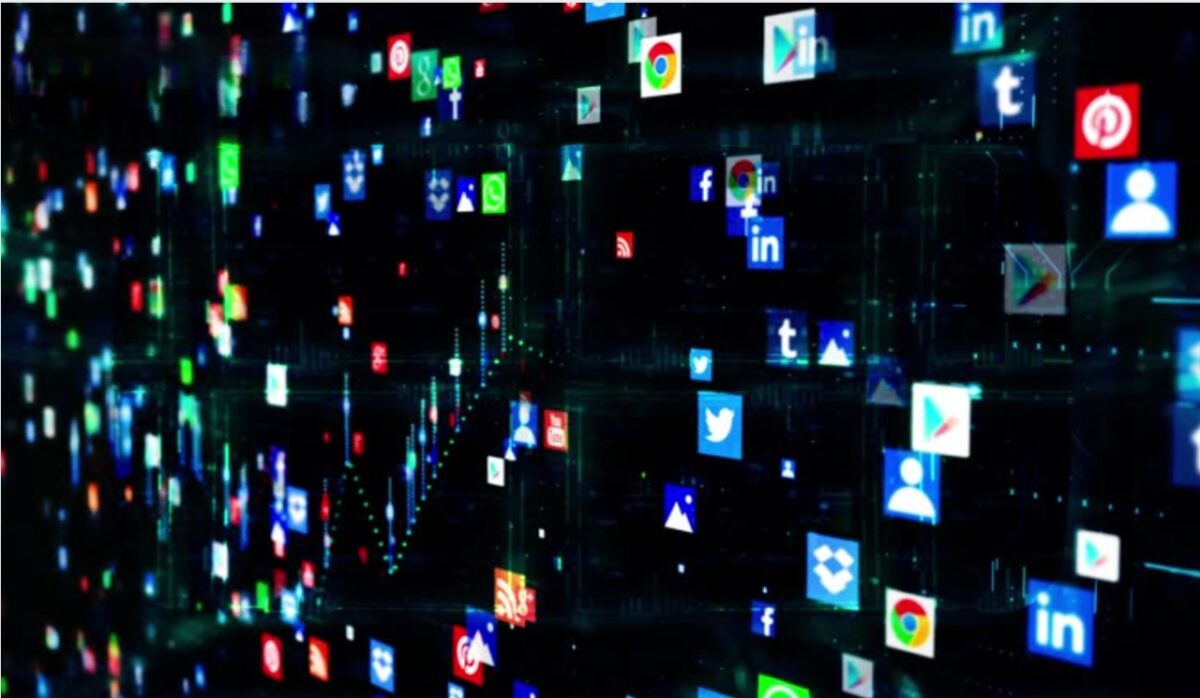
📲 Major Social Media Platforms and How They Differ
| Platform | Type | Primary Use | Is It Social Media? |
|---|---|---|---|
| Social networking | Connecting with friends/family | ✅ Yes | |
| Visual sharing | Photos, videos, stories | ✅ Yes | |
| Twitter/X | Microblogging | Real-time news and opinions | ✅ Yes |
| YouTube | Video sharing | Long-form and short-form video | ✅ Yes |
| TikTok | Short videos | Entertainment and trends | ✅ Yes |
| Visual discovery | Saving and organizing content | ✅ Yes | |
| Professional network | Careers, networking, industry news | ✅ Yes |
🧭 How to Use Social Media Mindfully
- ⏱️ Limit screen time using timers or app blockers.
- 🤳 Unfollow accounts that make you feel bad about yourself.
- 💬 Engage meaningfully — not just mindless scrolling.
- 🧘 Take digital detoxes weekly or monthly.
- 🔐 Adjust privacy settings and be cautious with personal info.
📝 Key Takeaways
- ✅ YouTube and Pinterest are both social media platforms due to their interactive, community-driven features.
- 📌 Social media includes any platform where users share content and connect with others online.
- 🧠 It affects mental health both positively (support, expression) and negatively (comparison, anxiety).
- 🚨 Social media is often criticized for addiction, misinformation, and its effects on youth.
- ⚖️ Using it mindfully and in moderation is key to minimizing harm.