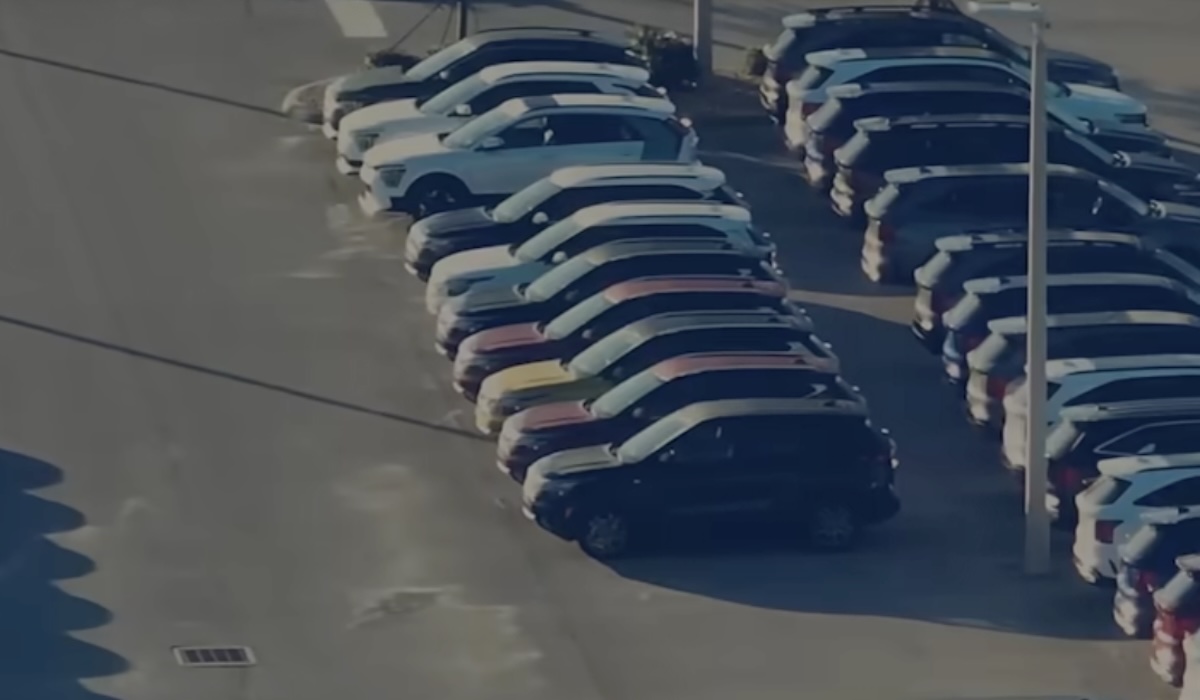
The Hidden Cost of Owning an Electric Car
There’s an old saying: “A car loses value the moment you drive it off the lot.”
That’s true for any new car, but for electric vehicles, the drop is often much steeper.
While EVs save money on fuel and maintenance, their resale values can shock even the most eco-conscious buyers. Some models lose more than 60% of their value within five years, making many wonder: are EVs really a good investment?
Let’s break down why EVs depreciate faster than gas cars, what the data says, and how you can make smarter choices as the EV market matures.
⚙️ The Data Behind EV Depreciation
A 2025 study by iSeeCars revealed a striking pattern: nearly one in four of the worst-depreciating vehicles were electric.
- The discontinued Jaguar I-Pace plummeted 72% in value after five years.
- Tesla’s Model S, X, and Y lost around 60%, on par with the Porsche Taycan.
- Even the budget-friendly Nissan Leaf ranked among the biggest losers.
By contrast, traditional fuel-powered luxury models — like the Porsche 911 and Boxster — retained much more of their value.
📊 Average 5-Year Depreciation:
- EVs: 59%
- Gas Cars (overall average): 46%
This matters because depreciation makes up the largest share of a vehicle’s total cost of ownership — often more than fuel, insurance, or repairs.
💸 How Incentives Affect Resale Value
When a new car is sold with big discounts or tax incentives, it immediately influences how much it’s worth later. Buyers of used cars take those savings into account — even if you didn’t get them yourself.
EVs have historically benefited from generous incentives, especially the $7,500 U.S. federal tax credit, which expired in September 2025. Ironically, that credit hurt resale values — because the same car was effectively cheaper for new buyers.
According to data from August 2025:
- Average EV incentives were twice as high as the market average.
- Those incentives made new EVs more attractive — but used EVs far less so.
Now that the federal rebates have ended, some analysts predict depreciation will stabilize slightly as price parity improves.
⚡ Rapid Tech Evolution — EVs Age Like Smartphones
Electric vehicles evolve faster than almost any other consumer product — except maybe your phone.
In just ten years:
- The median EV range has tripled.
- The maximum range has nearly doubled.
- 800-volt architectures now allow faster charging, halving charge times compared to older 400-volt systems.
That means a three-year-old EV can already feel outdated — even if it still performs well. Newer models often boast longer range, faster charging, and smarter software, making yesterday’s tech seem obsolete.
However, there’s good news:
Recent studies show battery health is better than expected, with most EV batteries retaining strong performance after years of use. Replacement costs are also dropping — helping reduce long-term ownership anxiety.
🚙 Limited Appeal and Market Perception
Despite their benefits, EVs still appeal to a narrower audience than traditional cars.
- EV buyers pay on average $9,000 more upfront than gas car buyers.
- Most EVs fall into the luxury or premium price range.
- Value-oriented buyers — who dominate the used market — often see EVs as less flexible due to range and charging concerns.
According to a June 2025 consumer survey, over 50% of drivers still worry about:
- Long-distance capability
- Charging station availability
- Running out of charge mid-trip
And here’s a key data point: EVs are driven less than hybrids or gas cars. That means lower utility for used buyers — further lowering resale prices.
🔮 The Future of the Used EV Market
The next few years will bring massive changes.
In 2023, only 17% of new EVs were leased.
By September 2025, that number skyrocketed to 71%.
As these leases expire, millions of used EVs will flood the market between 2026 and 2028 — increasing supply and pushing resale values even lower.
However, as federal incentives fade and the market stabilizes, future EVs may retain value better. Fewer discounts at the front end mean fewer losses later.
Industry experts, including JD Power’s Ivan Yurchenko, predict that EV depreciation rates will gradually align with gas vehicles by the end of the decade.
💡 How to Avoid Losing Big on an EV
Depreciation matters — but only if you plan to sell soon.
If you keep your EV for at least eight years, you’ll likely avoid the steepest losses. After that point, most cars — gas or electric — hit the bottom of their depreciation curve.
✅ Smart ownership strategy:
- Buy and hold long-term (8+ years), or
- Lease instead of buying if you prefer upgrading every few years.
In the long run, electric vehicles are still cheaper to operate, cleaner for the planet, and improving fast. But if you’re buying one today, understanding depreciation will help you make a more strategic — and sustainable — investment.
📈 The EV Market Is Maturing
Electric vehicles are no longer niche tech toys — they’re becoming mainstream.
Yes, their value drops faster now, but that’s a symptom of innovation outpacing itself. As technology levels off and production scales, depreciation will too.
The winners in this transition?
Drivers who think long-term — and understand that the true value of an EV goes beyond its resale price.