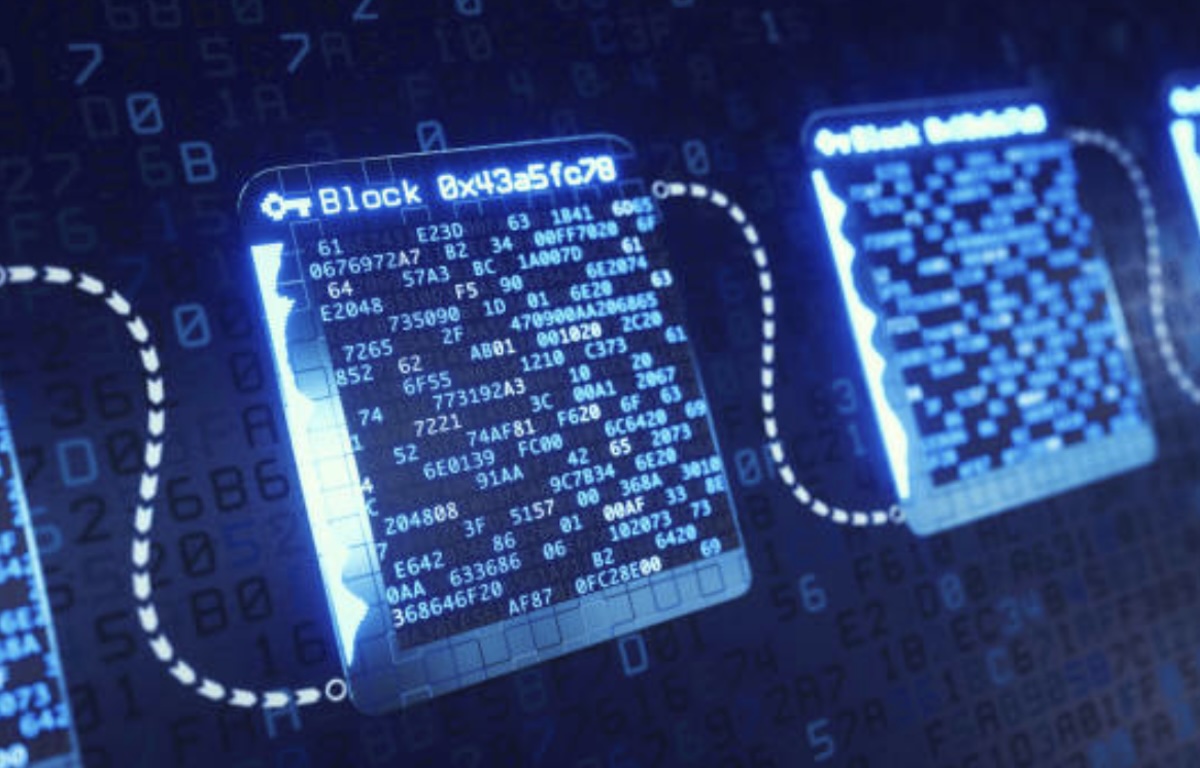
Imagine this: Two companies on opposite sides of the world want to do business, but they don’t fully trust each other. Contracts are slow, paperwork gets lost, and middlemen take hefty fees. There has to be a better way.
Enter blockchain—the digital ledger technology that’s transforming how businesses operate. From banking to supply chains, blockchain is eliminating inefficiencies, reducing fraud, and creating unprecedented transparency.
But what makes blockchain so attractive to businesses? Why are giants like Walmart, Maersk, and JPMorgan investing millions in this technology?
Let’s break it down in simple terms—no tech jargon, just real-world value.
What Makes a Blockchain System Possible?
Before we explore why businesses love blockchain, let’s understand how it even works.
1. Decentralization: No Single Point of Control
Unlike traditional databases run by banks or governments, blockchain operates on a peer-to-peer network.
- No central authority means no single entity can manipulate data.
- Every participant (node) has a copy of the ledger, ensuring transparency.
Think of it like a Google Doc shared with 1,000 people—everyone sees changes in real time, and no one can secretly edit it.
2. Immutability: Records That Can’t Be Altered
Once data is added to the blockchain, it’s permanent.
- Each transaction is cryptographically linked to the previous one.
- Changing a single record would require altering every subsequent block—nearly impossible without detection.
Example: If a supplier logs a shipment on-chain, they can’t later fake the records.
3. Smart Contracts: Self-Executing Agreements
These are automated digital contracts that trigger actions when conditions are met.
- No lawyers or delays—if X happens, Y automatically executes.
- Used in insurance payouts, supply chain releases, and royalty distributions.
Imagine a vending machine: Insert money (condition), and it releases a snack (action). Smart contracts work the same way but for complex business deals.
Why Is Blockchain So Attractive to Businesses?
Now, the big question: What’s in it for companies?
1. Enhanced Security & Fraud Prevention
- Problem: Cyberattacks cost businesses $4.35 million on average per breach (IBM 2022).
- Blockchain Solution:
- Data is encrypted and distributed, making hacking extremely difficult.
- Fraudulent transactions are nearly impossible due to consensus verification.
Example: Walmart uses blockchain to track food sources, reducing contamination risks.
2. Faster & Cheaper Transactions
- Problem: International bank transfers take 3-5 days with high fees.
- Blockchain Solution:
- Cross-border payments settle in minutes, with fees as low as pennies.
- No intermediaries like SWIFT or PayPal taking cuts.
Example: Ripple’s blockchain helps banks like Santander process $8 billion in instant payments yearly.*
3. Supply Chain Transparency
- Problem: Companies struggle to verify product origins (e.g., conflict minerals, fake luxury goods).
- Blockchain Solution:
- Every step (from raw materials to retail) is recorded on-chain.
- Consumers scan QR codes to see a product’s full history.
Example: De Beers tracks diamonds to ensure they’re ethically sourced.*
4. Reduced Operational Costs
- Problem: Manual processes (invoicing, audits) waste time and money.
- Blockchain Solution:
- Smart contracts automate workflows (e.g., paying invoices upon delivery confirmation).
- Maersk cut shipping paperwork costs by 20% using TradeLens (a blockchain platform).
5. New Revenue Streams
- Tokenization lets businesses sell fractional ownership of assets (real estate, art).
- NFTs enable digital collectibles and loyalty programs (Starbucks’ Odyssey rewards).
Real-World Business Adoption
Still skeptical? Here’s who’s already all-in:
| Company | Use Case | Impact |
|---|---|---|
| Amazon | Blockchain-based supply chain tracking | Reduces counterfeit goods |
| JPMorgan | JPM Coin for instant corporate payments | Saves millions in transaction fees |
| Unilever | Ethical sourcing of tea (via blockchain) | Ensures fair wages for farmers |
Challenges to Consider
Blockchain isn’t a magic bullet—it has hurdles:
- Scalability: Some networks (like Ethereum) get slow during peak usage.
- Regulation: Governments are still figuring out laws (e.g., crypto taxes).
- Energy Use: Bitcoin mining consumes electricity, but newer blockchains (Solana, Algorand) are greener.
Final Verdict: Is Blockchain Right for Your Business?
Ask yourself:
✔ Do you deal with multiple parties that don’t fully trust each other?
✔ Are you spending too much on middlemen or audits?
✔ Would real-time transparency add value to your customers?
If “yes,” blockchain could be your next competitive edge.