Introduction: A Familiar Sign, Suddenly Gone
For many people, certain restaurants become part of the background of life. You pass them on your commute. You meet friends there after work. You don’t always go in, but you notice when the lights go out.
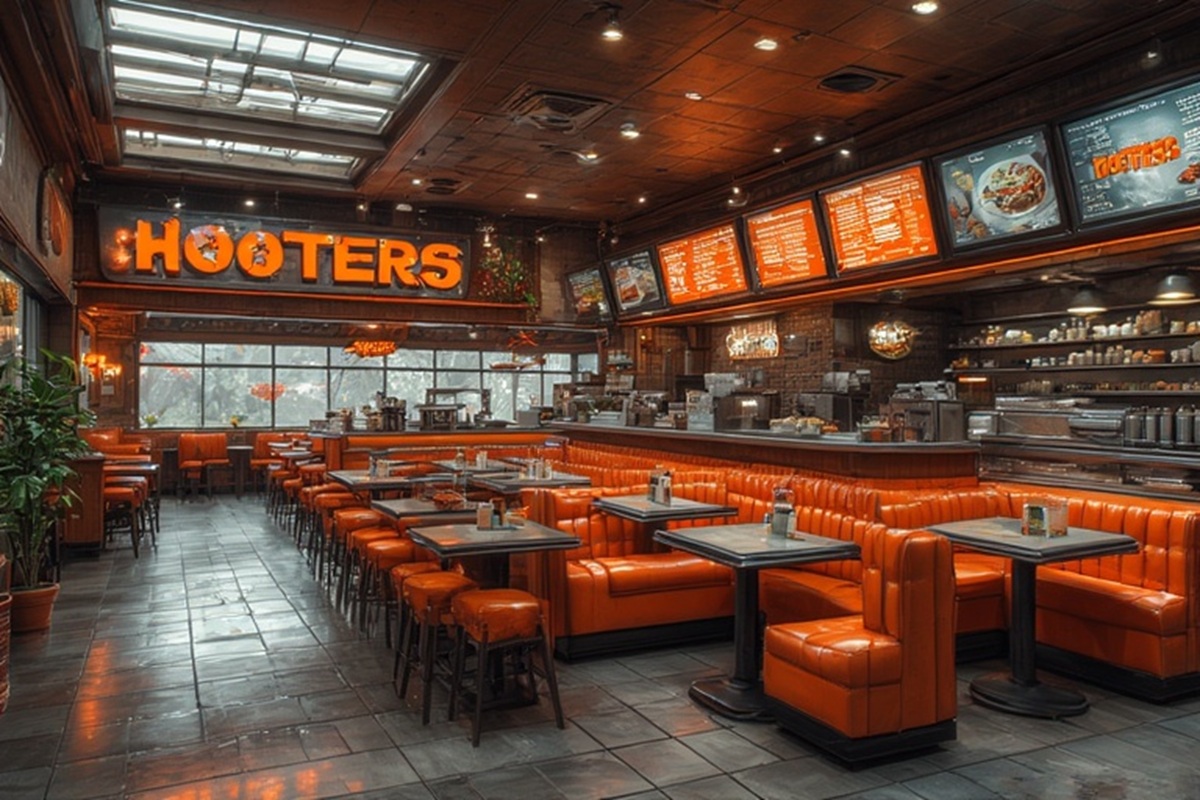
Recently, that moment arrived for dozens of Hooters locations across the U.S. Doors closed quietly. Signs came down. And for customers and employees alike, the change felt sudden, even though the warning signs had been there for some time.
Behind the closures is a bigger story, one that goes beyond a single brand and offers thoughtful lessons about resilience, focus, and knowing when to change course.
A Brand at a Crossroads
Hooters has been around for more than four decades, building a recognizable identity and a loyal customer base. Last year, the company entered bankruptcy with a message of reassurance: it wasn’t disappearing, it was restructuring.
That promise still stands. But restructuring doesn’t always look gentle from the outside.
In recent months, around 30 company-owned locations across several states have closed. Rather than trying to maintain every storefront, the company is shifting toward a model focused entirely on franchising. The goal is simpler operations, fewer financial drains, and a clearer path forward.
This isn’t about abandoning the brand. It’s about narrowing the focus.
Why Some Locations Can’t Be Saved
In challenging economic times, not every business location performs equally. Rising costs, lower discretionary spending, and shifting consumer habits can quietly turn once-profitable spots into ongoing liabilities.
Industry experts often compare this to menu planning: keeping items that rarely sell doesn’t add value—it adds complexity and cost. The same principle applies to physical locations.
Closing underperforming units can be painful, but continuing to support them can strain the entire operation. For large chains and small businesses alike, this kind of decision often comes down to a hard question:
Is this helping the business move forward—or holding it back?
The Human Side of Closures
Behind every closed restaurant are people, staff members who relied on steady shifts, managers who invested years of effort, and regular customers who built routines around the place.
These closures aren’t just business moves; they ripple outward. They affect neighborhoods, livelihoods, and memories.
At the same time, the broader restaurant industry has been facing headwinds. Many casual dining brands that cater to middle-income families are feeling pressure as consumers cut back. Inflation hasn’t just raised menu prices, it’s reshaped how often people eat out and what they expect when they do.
A Wider Industry Shift
Hooters isn’t alone. Other well-known restaurant chains have also reduced their footprints while navigating financial restructuring. The pattern is consistent:
• Fewer locations, but stronger performers
• Streamlined menus and operations
• Greater focus on efficiency over expansion
Consumers are more selective now. They want value, consistency, and experiences that feel worth the cost. Businesses that adapt to this reality stand a better chance of staying relevant.
Those that don’t often find themselves stretched too thin.
Lessons Small Business Owners Can Take Away
While this story involves a national brand, the lessons apply just as much to small businesses.
- Growth Isn’t Always About More
Sometimes the healthiest move isn’t expansion—it’s consolidation. Fewer offerings, fewer locations, or fewer commitments can create more stability.
- Not Everything Is Worth Saving
Sentiment can keep unprofitable parts of a business alive longer than they should be. Letting go can protect what’s working.
- Focus Creates Strength
When resources are limited, clarity matters. A focused business model often outperforms a scattered one.
- Change Is a Strategy, Not a Failure
Adjusting direction doesn’t mean the original idea was wrong. It means the business is responding to reality.
Why This Matters
Even if you’re not running a business, these shifts affect daily life. They shape which places remain in your community and how local economies evolve.
They also offer a quiet reminder that stability isn’t static. It’s something that’s maintained through awareness, flexibility, and timely decisions.
In many ways, the businesses that survive are the ones willing to pause, reassess, and choose sustainability over familiarity.
A Calm Takeaway

Seeing a familiar restaurant close can feel unsettling. But behind that moment is often a deeper effort to preserve what still works.
Hooters’ recent closures aren’t just about downsizing, they’re about redefining how the brand moves forward in a changing world.
Whether you’re running a business, supporting one, or simply navigating everyday life, the lesson is gentle but clear:
Staying the same isn’t always the safest option. Thoughtful change, even when difficult, can be a form of care, for the future you’re trying to protect.