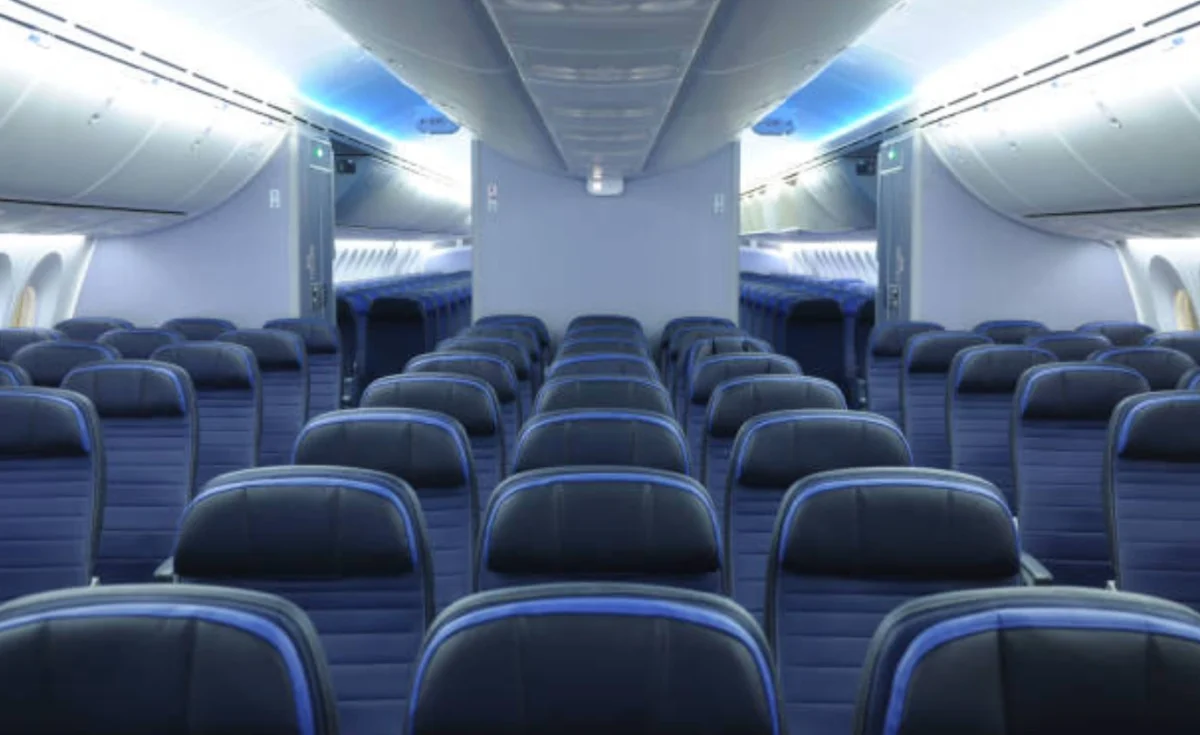
If you’ve ever been wedged into 23B with two strangers fighting you for the armrest, you already know the middle seat is the most hated spot on any plane. So when word broke that United Airlines is pulling middle seats out of some rows, the instinct is to assume the airline finally listened to years of complaints. It didn’t — not really.
United confirmed it will block out two middle seats in the Economy Plus section of a new aircraft debuting later this year, replacing them with a fixed table that the two adjoining passengers can share for drinks or a snack. It sounds like a comfort upgrade, and in a sense it is — but the real driver is revenue, not goodwill.
Quick Answer: Why Is United Doing This?
United isn’t removing middle seats out of empathy for tired travelers. It’s creating a new, sellable tier of economy seating that sits between standard Economy Plus and premium cabins — one more rung on the ladder of extra-legroom, extra-space products airlines can charge for. Fewer middle seats means fewer seats to sell cheaply, but more seats travelers are willing to pay a premium to avoid.
The Business Logic Behind the Move
Airlines have spent the last several years reshaping their economics around one idea: the average coach passenger isn’t where the growth is anymore. The real revenue upside is in convincing travelers to trade up — extra legroom, priority boarding, better seat location — without the cost of a full business-class upgrade.
Removing the middle seat from a row doesn’t just make two seats more comfortable. It effectively creates a brand-new product tier that United can price above standard Economy Plus but below its true premium cabin. Industry watchers who cover airline seating trends have pointed out that the Economy Plus middle seat is usually the last one anyone chooses — so turning it into a shared amenity, rather than a seat nobody wants, is a fairly efficient way to monetize space that was already underperforming.
United hasn’t announced final pricing for the new configuration, but the pattern across the industry suggests a familiar rollout: airlines often introduce a new premium option at a modest price and let it climb once demand is established.
Part of a Bigger Industry Shift
This isn’t a United-only story. Major U.S. carriers have all been leaning harder into premium economy and extra-legroom products, because that’s where the healthiest margins are right now. Airlines have reported strong growth in premium-cabin revenue even as demand for the cheapest, no-frills fares softens. Budget-focused competitors have struggled more broadly, underscoring how much the industry’s center of gravity has shifted toward travelers willing to pay for comfort.
For passengers, that means a slow but steady shrinking of the “just a basic seat” experience, and a growing menu of paid options in between economy and first class: extra legroom, blocked middle seats, better boarding position, and more.
What This Means for You as a Traveler
If you fly Economy Plus regularly: Expect a new paid tier to appear, likely priced above the standard extra-legroom seat but below premium cabins. Booking early may matter more once these seats become available, since they’ll likely be limited to a handful of rows per aircraft.
If you’re budget-conscious: Standard economy and the back-of-the-plane middle seat aren’t going anywhere. This change targets a specific slice of Economy Plus, not the whole cabin.
If you’re traveling with a companion: A shared table between two seats (instead of a stranger squeezed in the middle) is a genuine upgrade for couples or colleagues who’d normally book the window and aisle and hope nobody sits between them.
Common Mistakes to Avoid
- Assuming this seat will be cheap. Airlines typically price new premium products to test what the market will bear, then adjust. Don’t expect an introductory rate to last.
- Booking without checking the seat map. Since this configuration will only apply to specific new aircraft, not the whole fleet, always confirm the aircraft type before assuming you’ll get the upgraded row.
- Confusing this with a pandemic-era seat block. Some travelers may remember airlines blocking middle seats for social distancing years ago. This is different — it’s a permanent, paid product change, not a temporary health measure.
Frequently Asked Questions
Is United removing all middle seats?
No. Only two middle seats per relevant cabin section will be replaced with a shared table, and only on a new aircraft type debuting later this year. The rest of the plane, including standard economy, keeps its normal seating.
Will the new seats cost extra?
Yes. United hasn’t released final pricing, but the seats are expected to cost more than standard Economy Plus and less than premium cabins.
When does this start?
The configuration is tied to a new aircraft United plans to introduce later this year. Availability will expand as that aircraft type joins the fleet.
Is this the same as pandemic-era middle seat blocking?
No. Airlines blocked middle seats temporarily for distancing purposes in the past. This is a permanent redesign meant to create a new paid seating tier, not a health-driven policy.
Why not just remove all middle seats permanently?
Removing every middle seat across the fleet would mean fewer total seats to sell, which cuts into overall revenue. Airlines are more likely to keep this change targeted to a small, higher-margin section rather than apply it everywhere.
Do other airlines have similar plans?
Other major U.S. carriers have been expanding premium and extra-legroom offerings as well, since that segment has shown stronger revenue growth than standard economy. Specific seat-removal plans vary by airline, so it’s worth checking with each carrier directly for the latest configuration.
Airline seating configurations and pricing change frequently — always check directly with the airline or your booking site for the most current details before you fly.