If you’ve ever sent Bitcoin, Ethereum, or any other cryptocurrency, you’ve generated a transaction hash — a unique digital fingerprint that makes blockchain transactions traceable, secure, and tamper-proof. Understanding what a transaction hash is and how to use one is one of the most practical crypto skills a beginner can learn, whether you’re troubleshooting a delayed transfer or verifying a payment actually went through. This guide breaks down exactly how transaction hashes work and why they matter for blockchain security.
What Is a Transaction Hash (TXID)?
A transaction hash, often called a transaction ID or TXID, is a cryptographic hash generated from the details of a blockchain transaction. It acts as a unique identifier for that transaction, letting anyone on the network trace and verify its details. A transaction hash is a fixed-length alphanumeric string, which makes it effectively impossible to alter or forge without the change being immediately detectable.
How a Transaction Hash Is Generated
A transaction hash is created by running a cryptographic hash function, such as SHA-256, over the transaction’s data. That data typically includes:
- Sender’s Address: The public key or wallet address initiating the transaction.
- Recipient’s Address: The public key or wallet address of the receiving party.
- Amount Transferred: The quantity of cryptocurrency being sent.
- Transaction Timestamp: The exact time the transaction was initiated.
- Transaction Fee: The network fee paid by the sender for processing.
Combining these elements and passing them through the hash function produces the unique transaction hash you see in a wallet or block explorer.
Why Transaction Hashes Matter for Blockchain Security
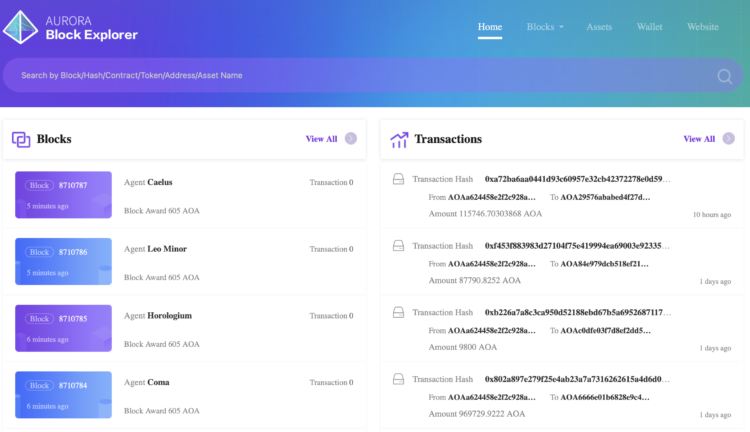
- Verification and Immutability: Transaction hashes are central to the integrity of blockchain transactions. Anyone can verify a transaction’s authenticity by comparing its hash against what’s recorded on the chain.
- Traceability: A transaction hash lets you trace the journey of funds through the blockchain, giving insight into how digital assets move between addresses.
- Security: Cryptographic hash functions are extremely sensitive to input changes — even a tiny change to transaction data produces a completely different hash, making tampering nearly impossible to hide.
How to Look Up a Transaction Hash
Transaction hashes are typically checked through blockchain explorers — web-based tools that let anyone inspect and track transactions on a given blockchain. Paste the transaction hash into a block explorer (such as Etherscan for Ethereum or Blockchain.com for Bitcoin) to see its status, number of confirmations, associated wallet addresses, and network fee. This is the standard way to confirm a payment has actually gone through, especially if a transfer seems delayed.
Transaction Hash vs. Wallet Address: What’s the Difference?
A common point of confusion for beginners is mixing up a transaction hash with a wallet address. A wallet address identifies where crypto is sent to or from, while a transaction hash identifies one specific transfer event. If you’re still getting familiar with these fundamentals, our beginner’s guide to understanding cryptocurrency is a good place to build up the basics before diving deeper into blockchain mechanics.
Summary
In the world of blockchain, transaction hashes are the backbone of trust and transparency. Their unique, unalterable nature means participants can rely on the integrity of every transfer, which is what makes a decentralized, trustless system work at scale. As blockchain adoption grows, knowing how to read and verify a transaction hash is a basic skill worth having — whether you’re tracking a crypto payment or just want to understand what’s happening under the hood. To see how these concepts connect to the wider financial system, check out our overview of emerging financial technologies reshaping how people use money.
This article was last updated on September 13, 2026 for accuracy and clarity.