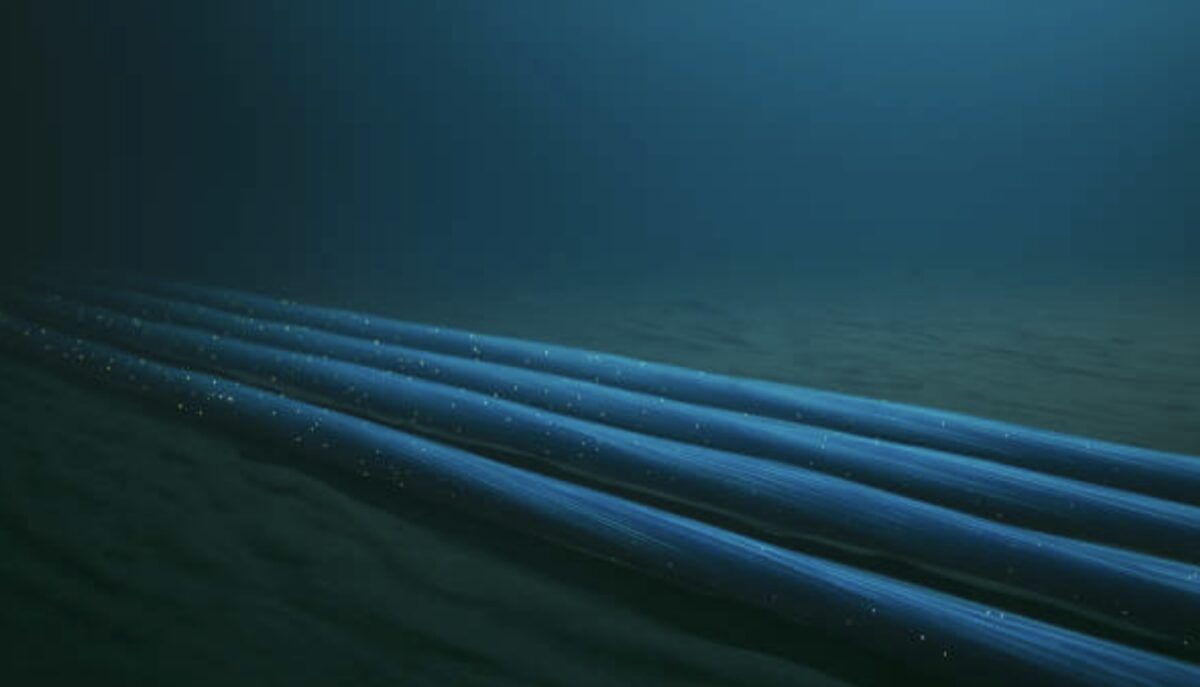
In today’s digital age, a vast network of communication systems forms the backbone of global connectivity, enabling everything from internet browsing to international financial transactions. One crucial component of this network lies beneath the ocean’s surface: undersea cables. These high-tech, fiber-optic cables are the unsung heroes of the digital world, transmitting the vast majority of global data traffic. As critical infrastructure, the undersea cable business is highly regulated and plays a pivotal role in the functioning of modern economies. This post explores what undersea cables are, how countries depend on them, the regulation that governs them, their economic value, how they are protected, and their impact on fisheries activities.
What Are Undersea Cables?
Undersea cables, also known as submarine cables, are long, thick cables that run beneath the ocean’s surface, linking different continents and countries. These cables contain fiber-optic strands capable of transmitting large volumes of data at incredibly fast speeds. A typical undersea cable might consist of multiple fiber-optic strands wrapped in protective layers to guard against water, pressure, and physical damage from underwater activity.
Undersea cables carry most of the world’s telecommunications traffic, including the internet, phone calls, television broadcasts, and private data transfers. They are essential for maintaining global connectivity, linking regions that otherwise would be disconnected in terms of communication and data exchange.
Why Countries Rely on Undersea Cables
Countries depend heavily on undersea cables for international communication. Despite the rise of satellite internet and other technologies, undersea cables remain the most reliable and cost-effective method for transmitting data across long distances. According to industry estimates, more than 95% of global data traffic is carried by submarine cables.
For countries with limited or no access to land-based communication networks (such as those in remote island regions or small nations), undersea cables offer the only viable means of connecting to the global internet and communication networks. Developing nations, in particular, often rely on these cables to support their digital economies, access information, and participate in the global marketplace.
In addition to internet and telecommunications, undersea cables also carry financial transactions, such as stock exchange data and international banking communications. With global financial markets becoming increasingly interconnected, any disruption to undersea cables can have significant economic implications.
Regulation of Undersea Cables
The undersea cable industry is subject to a complex web of regulations and agreements, both at the national and international levels. Since these cables cross national borders and operate in international waters, their regulation often involves coordination between governments, private entities, and international bodies.
- International Regulation: International treaties and conventions, such as the United Nations Convention on the Law of the Sea (UNCLOS), play a key role in governing the rights and responsibilities related to undersea cables. UNCLOS establishes guidelines for laying, maintaining, and protecting submarine cables in international waters. It ensures that countries’ rights to undersea cable operations are respected, while also promoting freedom of access for all nations.
- National Regulation: Countries regulate undersea cables through national telecommunications laws and security protocols. These regulations often address issues such as licensing, operational standards, and how foreign companies can lay cables within a country’s territorial waters. National regulators also impose guidelines on cybersecurity measures to protect against potential threats, including cyberattacks or espionage.
- Private and Industry Standards: Private companies that own and operate undersea cables also adhere to industry best practices, including technical standards for cable construction, maintenance, and data security. Industry bodies, such as the International Cable Protection Committee (ICPC), work to establish best practices for cable protection and maintenance.
How Much Are Undersea Cables Worth?
The economic value of undersea cables is difficult to quantify precisely, as the industry involves both substantial upfront costs and long-term benefits. The construction of a new undersea cable system can cost hundreds of millions of dollars, depending on the route, length, and technical complexity. For instance, laying a 10,000 km undersea cable can cost between $200 million to $500 million, including the cost of research, permits, and laying the cables themselves.
These costs, however, are offset by the massive revenue generated from providing data transmission services to telecom providers, internet service providers, and businesses worldwide. Given their central role in global communications, undersea cables are considered valuable assets for companies and governments alike. The value extends beyond mere economics; it also involves national security, international cooperation, and the stability of the global economy.
Protection of Undersea Cables
Protecting undersea cables from damage is a high priority due to their critical importance. Several layers of protection are implemented to ensure the safety and longevity of these cables:
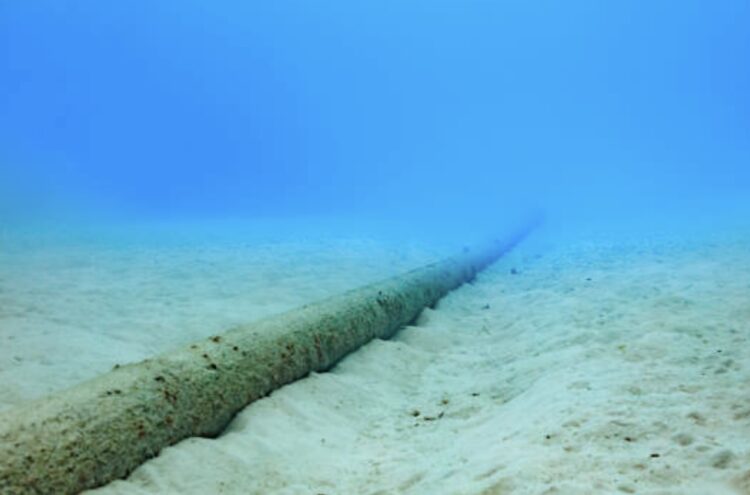
- Physical Protection: The cables themselves are typically shielded with thick insulation and protective coatings designed to withstand harsh ocean conditions, including high-pressure environments, saltwater corrosion, and potential damage from ships, anchors, or fishing trawlers. For certain sections of the cables that pass through high-traffic maritime areas, they may even be buried under the ocean floor to minimize risk.
- Security Measures: Due to their importance, undersea cables are sometimes targeted for sabotage or theft. Countries and private companies invest heavily in cybersecurity measures to protect the data flowing through these cables. Furthermore, international cooperation exists to monitor the cables’ security and respond to any threats or disruptions, ensuring their resilience to both physical and cyber threats.
- Cable Protection Zones: Many countries establish designated “protection zones” around undersea cable routes, often in cooperation with the international community. These zones limit activities such as deep-sea mining or fishing trawler operations that could potentially damage cables.
The Impact of Undersea Cables on Fisheries Activities
While undersea cables are essential for global connectivity, they can have unintended consequences for marine industries, particularly fisheries. There are a few notable ways in which the presence of these cables affects fisheries:
- Fishing Gear Damage: Fishing trawlers or other commercial fishing operations that engage in activities like dragging nets along the ocean floor can accidentally damage undersea cables. This can lead to expensive repairs for cable operators and disruptions to fishing activities.
- Restricted Fishing Areas: To protect cables from damage, certain areas may be designated as off-limits to fishing operations. These restricted zones are especially relevant in locations where cables are buried beneath the sea bed or where there is a high concentration of cables crossing busy shipping lanes.
- Marine Life and Ecosystem Impact: The construction and maintenance of undersea cables can have temporary impacts on local marine ecosystems, particularly if dredging or construction disturbs the seabed. However, most cable operators must undergo environmental assessments and obtain permits before laying cables to minimize ecological disruption.
Know Undersea Cable Business
The undersea cable business is one of the most vital yet often overlooked aspects of global communication. As nations and industries become more interconnected, the role of these cables in enabling secure and reliable data transmission will only continue to grow. Regulatory frameworks are in place to ensure their safe installation and protection, but the economic, environmental, and security challenges they pose require ongoing attention. As we move toward an increasingly digital world, undersea cables will remain at the core of how we communicate, connect, and trade across the globe.