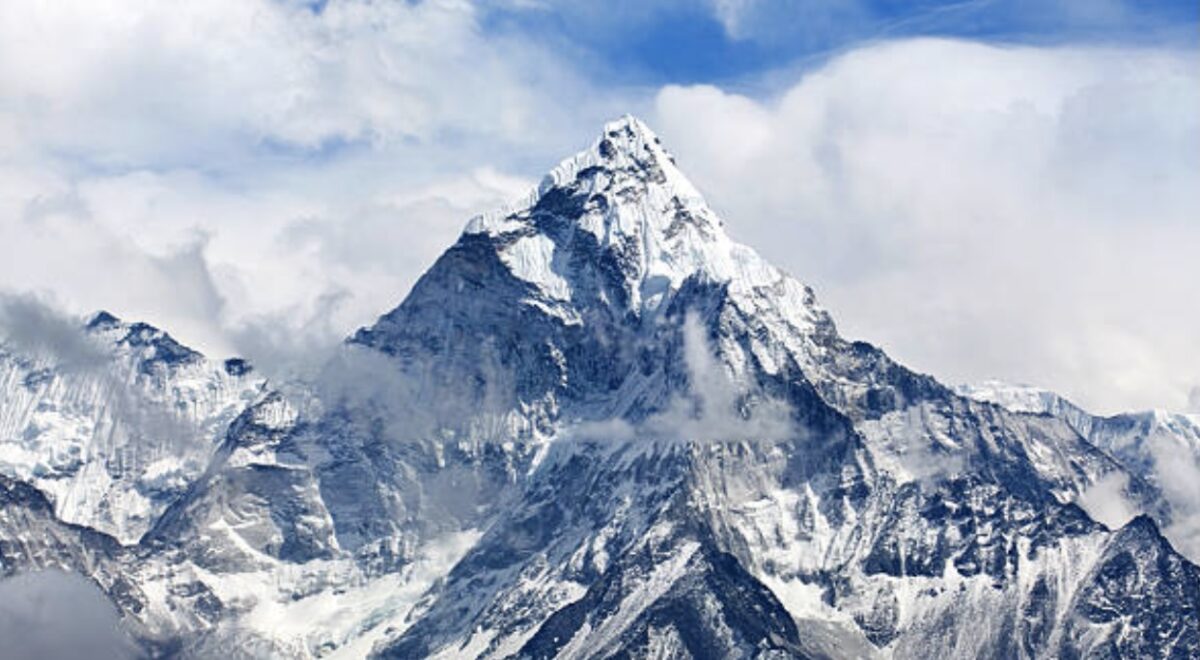
Imagine standing at 29,032 feet, the highest point on planet Earth. The air is painfully thin, the wind feels like a freight train, and the view is a breathtaking tapestry of the Himalayas against a deep blue sky. For a few triumphant moments, you are on top of the world.
This is the dream that draws hundreds of climbers to Mount Everest each year. But this dream isn’t conquered in a heroic, week-long sprint. The journey to the summit is a grueling marathon of patience, resilience, and immense investment. If you’ve ever wondered, “How long does it take to climb Mount Everest?” the answer is surprising: It takes about two months.
And that’s just the beginning. The second question, “How much does it cost to climb Mount Everest?” comes with an even more staggering answer: anywhere from $35,000 to over $100,000.
Why does it take so long and cost so much? The story isn’t about climbing; it’s about survival.
The Long Wait: Why Everest Can’t Be Rushed
Climbing Everest isn’t like hiking a trail. It’s a carefully choreographed dance with the weather, and your body is the reluctant partner. The two-month timeline isn’t a suggestion—it’s a necessity for survival.
The Phases of the Everest Expedition (A Typical 60-Day Timeline)
Weeks 1-2: Arrival and Trek to Base Camp
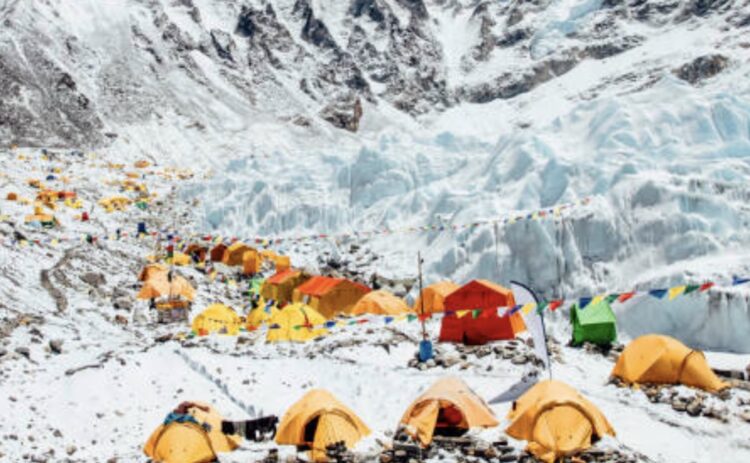
Your journey begins in Kathmandu, Nepal, with final preparations and permits. Then, you embark on a thrilling 10-14 day trek to Everest Base Camp (EBC) at 17,600 feet. This isn’t just a walk; it’s the first and most critical phase of acclimatization. Your body must slowly learn to function with less oxygen.
Weeks 3-4: Acclimatization “Rotation” Climbes
This is the secret to the entire timeline. You will not go straight to the top. Instead, you will perform a series of “rotations”:
- You climb up through the dangerous Khumbu Icefall to Camp 1 or 2 (around 21,000 ft) and spend a night.
- You then climb down to Base Camp to rest and recover in thicker air.
This process of “climb high, sleep low” forces your body to produce more red blood cells. Each rotation takes several days, and you’ll do this multiple times. It’s tedious, exhausting, and absolutely essential to prevent fatal altitude sickness.
Weeks 5-7: The Waiting Game
You are now fully acclimatized and feel strong. But you are stuck. The summit is so extreme that it can only be attempted during a short “weather window.” This window, usually in mid-to-late May, offers a few days of calmer winds and slightly warmer temperatures. Climbers and Sherpas wait at Base Camp, watching weather forecasts like hawks, knowing their entire investment hinges on a 3-5 day period.
The Final Week: The Summit Push
When the window opens, the push begins. This is a 4-7 day relentless effort:
- Day 1: Climb to Camp 2.
- Day 2: Rest at Camp 2.
- Day 3: Climb to Camp 4 at the South Col (26,000 ft) – the “Death Zone.”
- Day 4: Summit day. You leave around midnight, climbing 8-12 hours in the dark to reach the summit by morning. You then have to descend all the way back to Camp 2 that same day, a brutally exhausting effort.
- Day 5-7: Descend all the way to Base Camp, utterly spent but triumphant.
The Staggering Price Tag: What Are You Paying For?
A price tag of $45,000 for a guided climb is standard, and it can easily soar to $100,000+ for luxury service or Western-guided expeditions. This isn’t profit; it’s the cost of keeping you alive in the world’s most hostile environment.
Here’s where the money goes:
- The Permit ($11,000 per climber): The Nepalese government charges this fee. It’s the single largest line item and is non-negotiable.
- Logistics & Gear ($10,000 – $20,000): This includes everything from food and fuel for two months to high-altitude tents, ropes, ladders for the icefall, and oxygen bottles (each bottle costs over $500, and you’ll need 5-7 of them).
- Sherpa Support ($5,000 – $10,000): This is the most valuable investment. Your Sherpa team are the heroes. They fix the ropes, carry gear, set up camps, and guide you through the most dangerous sections. Their tip and bonus are included here.
- Travel & Insurance ($3,000 – $5,000): Flights to Nepal, hotels, and most critically, specialized insurance that covers high-altitude rescue and medical evacuation, which can cost over $100,000 if paid out-of-pocket.
- Guide Company Fee ($5,000 – $15,000+): This is the operational cost and profit for the organizing company. It covers their pre-expedition planning, Western guides’ salaries, and communication equipment.
Paying less often means cutting corners on safety—fewer Sherpas, older oxygen systems, or less experienced guides. On Everest, a discount can be a death sentence.
It’s an Investment in Survival
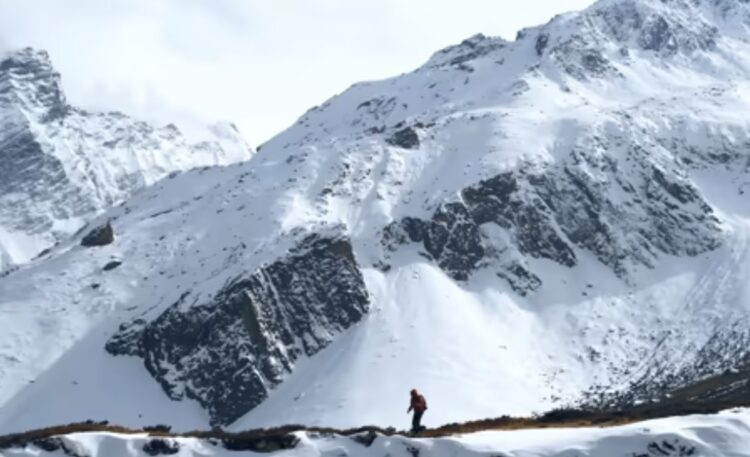
So, how long does it take to climb Mount Everest? Approximately 60 days, with only a handful spent actually moving upward.
How much does it cost to climb Mount Everest? A minimum of $35,000 from the Tibetan side, but a safer, more typical budget from Nepal is $45,000 to $65,000.
The time is a non-negotiable contract with your biology. The cost is the price of the infrastructure and expertise required to make that biological transformation possible without dying in the process. Climbing Everest is not a vacation; it’s a profound physical and financial commitment to undertaking one of the greatest adventures on Earth.