A Simple Snack With a Surprisingly Tight Operation Behind It
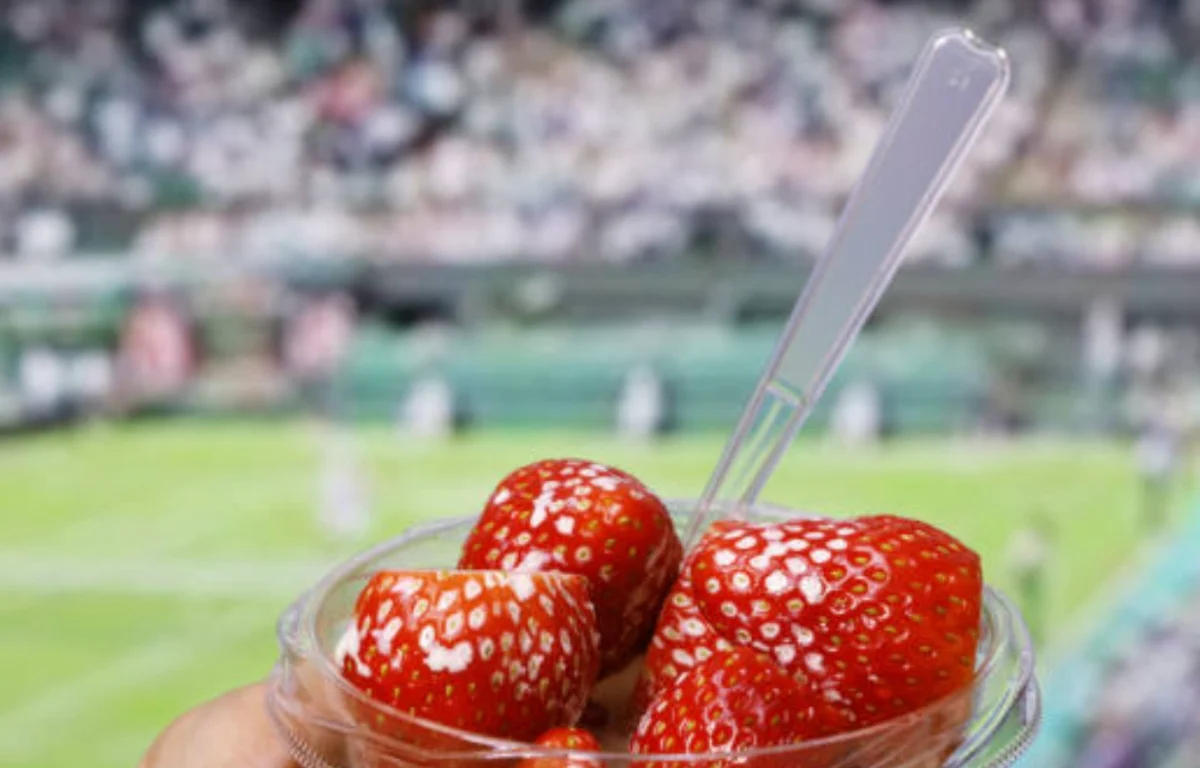
Millions of people watch Wimbledon every year and never think twice about the little bowl of strawberries and cream sitting next to them. It looks effortless: fresh, red, sweet, always available. But behind that simple bowl is a supply chain running on a strict deadline, supplied by just one family farm, with almost no room for error.
Every single strawberry served across the two-week tournament comes from one place: Hugh Lowe Farms, a family-run business in Kent. Understanding how that farm gets fruit from the field to Centre Court in under 24 hours says a lot about how much planning sits behind even the most “simple” traditions.
Why Strawberries and Wimbledon Go Together in the First Place
The pairing isn’t a modern marketing idea — it’s an accident of the calendar. When the first Wimbledon Championships were played in July 1877, strawberries happened to be at their peak growing season in England, available only for a short window each June and July. That window lined up naturally with the tournament dates, and spectators quickly got into the habit of eating the fruit while they watched. Nearly 150 years later, the tradition has stuck, but the operation behind it has grown dramatically bigger and far more demanding.
Meet the Farm Behind the Fruit
Hugh Lowe Farms was founded in 1893 and is now run by its third generation, with Marion Regan as managing director. The farm sits in Mereworth, Kent, roughly 31 miles from the All England Club — close enough to make same-day delivery possible, but still a real logistics challenge when you’re moving fresh fruit at scale, every single day, for two straight weeks.
The farm has held the Wimbledon supply contract for close to three decades. For a family business, that kind of long-running deal is a big deal: it guarantees demand, allows for premium pricing on the crop specifically grown for the tournament, and comes with national media exposure that most agricultural businesses could never buy.
The Race Against the Clock: How Fresh Is “Fresh”?
Here’s where the operation gets genuinely impressive. Picking starts at around 4 a.m. each morning during the tournament. Workers hand-pick the ripest strawberries, which are immediately chilled to lock in freshness, then loaded onto trucks and driven straight to the Grounds. Regan has confirmed the goal is simple: get every strawberry picked, chilled, and delivered to Wimbledon within 24 hours of leaving the plant — with deliveries typically arriving by 9 a.m., before the day’s play even begins.
Once they arrive, the tournament’s catering team inspects and hulls the strawberries on-site, and they’re served the same day they’re picked. As Regan puts it, “you can’t get fresher than a Wimbledon strawberry” — and given the timeline, that’s not really an exaggeration.
The Technology Quietly Running in the Background
What’s less visible to spectators is how much modern farm technology now supports this old-fashioned tradition. Hugh Lowe Farms has partnered with Vodafone to use internet-connected sensors across its growing operation, feeding data into a farm management platform that tracks conditions in real time. The goal is to fine-tune exactly when berries are picked, improve overall crop yield and quality, and reduce the farm’s carbon footprint — all while meeting the strict quality bar Wimbledon requires. It’s a useful reminder that even a tradition dating back to the 1800s now runs, in part, on the same kind of data-driven logistics you’d expect from a modern supply chain business.
Only the Best Berries Make the Cut
Not every strawberry the farm grows ends up at Wimbledon. Because the tournament’s standards for size, color, and ripeness are strict, only a portion of each day’s crop qualifies — the rest is sold through the farm’s other retail and wholesale customers. This selective sorting is part of why the tournament’s strawberries have built such a strong reputation: what reaches the plate has already passed a quality filter most supermarket produce never goes through.
The Numbers Behind the Tradition
- More than 1.9 million strawberries — around 38 tonnes — are eaten across the Championships each year
- Roughly 7,000 litres of cream are served alongside them
- Around 140,000 individual portions of strawberries and cream are sold during the fortnight
- The farm is located about 31 miles from the All England Club
- Hugh Lowe Farms has supplied Wimbledon for nearly 30 years
- A portion of strawberries and cream costs £2.85 in 2026, up from £2.70 in 2025 and £2.50 for many years before that
The Trade-Off Behind the Rising Price
This is where the story gets a little more interesting than “cute tennis tradition.” Every price increase on strawberries and cream gets national media attention in the UK, and it raises a genuinely fair question: is this still a reasonably priced treat, or has it become a symbol of an increasingly expensive event?
The case for the higher price: Growing, hand-picking, chilling, and delivering fresh British fruit on a strict same-day deadline, at the exact quality level the tournament demands, isn’t cheap. The premium the All England Club pays supports a specific model — one grower, one contract, guaranteed British-grown fruit — rather than sourcing more cheaply from a wider, less accountable supply chain.
The case against it: For many fans, a small price increase on a simple bowl of fruit feels like a symbol of ticket prices, food costs, and the overall cost of attending live sport all moving in the same direction — upward — regardless of how justified the reasoning is behind any single item.
Both things can be true at once: the operation behind the strawberries really is demanding and well-run, and the price is still going up faster than many fans would like.
What This Means If You’re Watching From Home (or Queuing at the Gate)
For spectators, the practical takeaway is simple: the “freshness” claim you hear every year about Wimbledon strawberries isn’t just marketing language — it reflects a genuinely tight, well-documented supply chain with a real same-day deadline behind it. For anyone interested in food supply chains or small-business logistics more broadly, this is also a useful case study in how a single long-term supplier relationship, combined with modern tracking technology, can support an operation at a scale most people underestimate — millions of pieces of fruit, picked, sorted, and delivered fresh, without fail, for two weeks straight, every single year.
Where the Story Gets a Little Fuzzy
A few things are worth flagging for anyone treating this as a fully precise account. Exact figures for annual strawberry and cream consumption vary somewhat between different reports and different tournament years — some cite closer to 2.5 million strawberries served, others closer to 1.9 million, likely reflecting different counting methods or different years’ data. Weather is also a genuine variable: British strawberry harvests can shift in quality and volume year to year depending on spring and early summer conditions, meaning the “flawless” supply chain still depends on cooperative growing weather more than most coverage of the tradition tends to acknowledge.
One Farm, One Fortnight, No Room for Error
Strip away the tradition and the tabloid headlines about rising prices, and what’s left is a genuinely tight logistics operation: one farm, one supply contract, a strict same-day delivery window, and millions of pieces of perishable fruit moving through it without visible failure, year after year. It’s a small case study in how even the most old-fashioned traditions increasingly run on modern supply-chain discipline — even if, from the stands, all anyone sees is a bowl of strawberries and cream.
Frequently Asked Questions
Who supplies the strawberries for Wimbledon?
Hugh Lowe Farms, a family-run farm in Mereworth, Kent, has held the exclusive supply contract for nearly 30 years.
How fresh are Wimbledon’s strawberries really?
Very. Strawberries are picked at around 4 a.m., chilled immediately, and delivered to the Grounds by around 9 a.m. the same day — typically within 24 hours of being picked.
Why has the price of strawberries and cream gone up?
The All England Club has raised the price twice in recent years — from £2.50 to £2.70 in 2025, and to £2.85 in 2026 — reflecting rising costs across the supply chain, though the increases have also drawn public criticism as part of a broader rise in event food prices.