Tajikistan is on the brink of an economic transformation thanks to its vast reserves of rare earth elements and minerals critical to the global digital economy. These resources, which have been recently identified, have the potential to significantly reshape the country’s economic landscape and position it as a key player in the international market for strategic raw materials.
Discovery of New Rare Earth Deposits
In December 2024, Tajikistan’s state geological service, made a groundbreaking announcement regarding the discovery of 15 new, substantial deposits of rare earth minerals in the country’s mountainous regions. This revelation has sparked optimism for Tajikistan’s economic prospects. These resources can play a key role in the development of the Tajik economy, highlighting the immense potential these deposits hold.
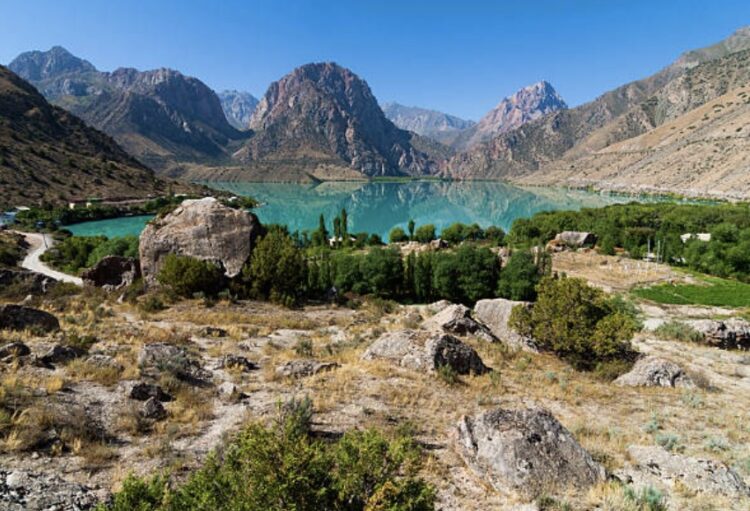
The deposits are primarily located in the rugged eastern areas of the nation, which have historically been challenging to access due to the extreme terrain and harsh natural conditions. However, advancements in technology have recently enabled exploration in these previously inaccessible areas. This progress marks a pivotal moment for Tajikistan, as it begins to uncover its hidden mineral wealth.
Importance of Rare Earths and Minerals
Rare earth elements are indispensable in today’s technology-driven world. They are critical components in the production of smartphones, electric vehicles, renewable energy technologies, and advanced defense systems. Lithium, tungsten, and nickel—all found in Tajikistan—are among the most sought-after minerals globally. Lithium, for example, is a key ingredient in rechargeable batteries, while tungsten and nickel are crucial for manufacturing high-performance materials.
Given the increasing global demand for these resources, Tajikistan’s newfound deposits could potentially generate significant revenue streams. However, the country’s ability to capitalize on these reserves depends on several factors, including the precise size of the deposits, the cost-effectiveness of extraction, and the implementation of sound economic and governance practices.
Challenges to Development
While the discovery of these resources is promising, significant hurdles remain. The precise extent of the deposits is yet to be determined, requiring further geological studies. These surveys will not only estimate the size and economic viability of the deposits but also provide essential data to attract foreign investment and technical expertise.
Additionally, the remote and difficult terrain of the deposits poses logistical challenges. Building the infrastructure required to extract and transport these minerals will demand substantial investment. Roads, railways, and processing facilities are vital to turning potential wealth into tangible economic benefits.
Another pressing issue is Tajikistan’s governance and political stability. International watchdogs, such as Freedom House, have consistently ranked Tajikistan as one of the most poorly governed states in the world. Corruption, inefficiency, and a lack of transparency are pervasive issues that could deter international investors and complicate efforts to develop the mineral sector.
Government Initiatives and Strategic Vision
Recognizing the immense potential of these resources, the government of Tajikistan has begun taking steps to leverage its mineral wealth. In late 2023, President Emomali Rahmon unveiled a comprehensive plan to develop the country’s reserves of rare earths and other non-ferrous metals. The strategy includes initiatives to mine resources like lithium, tungsten, and nickel, while also building domestic capacity to process raw materials into finished products.
This approach reflects a broader vision to maximize the value derived from Tajikistan’s mineral wealth. By focusing on downstream processing, the country can capture more of the value chain, creating jobs and fostering economic growth. Tajikistan’s established industries, such as gold and aluminum production, provide a foundation for further development of its mineral sector.
However, for these plans to succeed, the government must address systemic issues such as corruption and weak institutions. Implementing transparent regulations, fostering a business-friendly environment, and ensuring the equitable distribution of resource revenues will be critical to attracting and retaining foreign investment.
Attracting Foreign Investment and Expertise
Developing Tajikistan’s rare earth deposits will require significant foreign capital and technical know-how. The exploration and extraction of rare earths are highly specialized processes that demand advanced technology and expertise. International partnerships could play a crucial role in bridging this gap, bringing in the necessary resources to kickstart the sector.
To attract investors, Tajikistan must demonstrate a commitment to creating a stable and predictable business environment. Clear legal frameworks, competitive tax policies, and assurances of political stability will be essential to building investor confidence. Additionally, the government could explore partnerships with multinational mining companies and technology firms to ensure efficient resource development.
Potential for Economic Transformation
If managed effectively, Tajikistan’s rare earth resources could drive a significant economic transformation. The country’s GDP could see substantial growth, lifting millions out of poverty and reducing its dependence on remittances from migrant workers. Furthermore, developing the mineral sector could diversify the economy, making it more resilient to external shocks.
The benefits extend beyond the domestic economy. By becoming a key supplier of rare earths and critical minerals, Tajikistan could strengthen its geopolitical position and build strategic partnerships with major global players. Countries reliant on rare earth imports, such as the United States, European Union nations, and China, may see Tajikistan as a valuable ally in securing these essential resources.
Will the Discovery Boost Tajikistan’s Economy?
Tajikistan stands at a crossroads. The discovery of vast rare earth and mineral deposits offers a once-in-a-generation opportunity to rewrite the country’s economic narrative. However, realizing this potential will require a concerted effort to address governance challenges, attract investment, and develop infrastructure.
By adopting a strategic and transparent approach, Tajikistan can transform its mineral wealth into long-term economic prosperity. The road ahead may be challenging, but the rewards could be transformative—not just for Tajikistan but for the global economy, which increasingly depends on the rare earths and minerals the nation holds in abundance.