Every year, Super Bowl commercials turn a football championship into the most powerful advertising event on the planet. While millions tune in for the game, just as many viewers are watching closely for something else: the ads that make them laugh, cry, and talk long after the final whistle.
During Super Bowl LX, advertisers proved once again that storytelling, emotion, and humor remain the backbone of effective brand messaging, even as AI, celebrity endorsements, and data-driven marketing reshape the industry.
Why Super Bowl Commercials Matter More Than Ever
With advertisers paying up to $8–10 million for just 30 seconds of airtime, Super Bowl commercials are no longer just ads, they’re cultural moments. Brands use this stage to launch campaigns that ripple across social media, news cycles, and search engines for weeks.
This aligns with how companies invest heavily in visibility-driven strategies, similar to the high-impact marketing approaches retailers prioritize each year, as outlined in this breakdown of major marketing investments: Marketing Strategies that Retailers Spend Half of Their Annual Budget On
Faculty vs. Students: What Makes a Great Super Bowl Ad?
An annual evaluation led by Michigan State University’s College of Communication Arts and Sciences highlights how different audiences respond to Super Bowl commercials.
For the first time, advertising and public relations students joined faculty members to rank the ads, revealing a fascinating split in preferences.
What Faculty Loved: Emotion and Storytelling
Faculty members ranked ads based on:
- Creative messaging
- Emotional engagement
- Authentic storytelling
- Brand alignment
- Cultural relevance and inclusivity
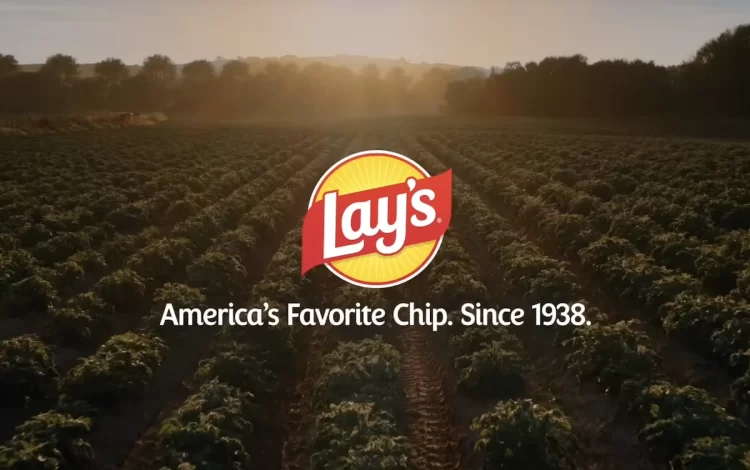
Their top pick? A Lay’s Potato Chips commercial that tugged at heartstrings by telling a generational story of a father passing down his farming legacy to his daughter. The ad relied on quiet emotion rather than spectacle, proving that human stories still dominate even during the biggest media event of the year.
This approach mirrors the power of integrated marketing communications, where brand storytelling stays consistent and emotionally resonant across platforms: Integrated Marketing Communications: the Ultimate Guide to Unified Brand Messaging
What Students Loved: Humor, Energy, and Beer
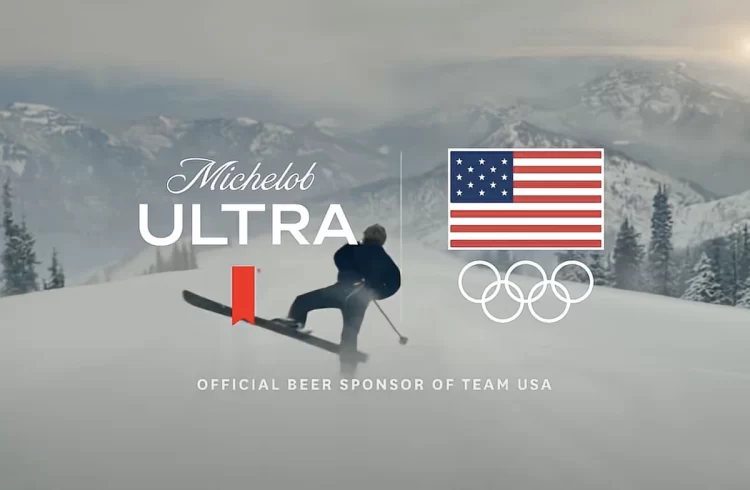
Students leaned toward humor-driven Super Bowl commercials, selecting a Michelob Ultra ad featuring friends, skiing competition, and a surprise training montage narrated by Kurt Russell.
Fast-paced humor, relatability, and entertainment value made the ad stand out, especially for younger audiences who prioritize shareability and replay value on social platforms.
This contrast highlights why brands must balance internal brand goals with external audience expectations, a concept explored in depth here: Internal Marketing vs External Marketing
Ads That United Both Audiences
Despite different preferences, two Super Bowl commercials resonated with both faculty and students:
- NFL Commercial – A parallel story of a child speaking to toys and a coach motivating players, reinforcing belief and leadership
- Ramp Commercial – A clever, minimalist ad showing an employee multiplying himself for productivity—without clearly explaining the product
These ads succeeded because they trusted the audience’s intelligence and focused on memorable concepts over hard selling.
When Super Bowl Commercials Miss the Mark
Not every high-budget ad landed well. Both groups ranked a celebrity-driven pharmaceutical-style commercial featuring a weight-loss drug as the weakest of the night.
The takeaway? Even star power can’t save a Super Bowl commercial that feels misaligned, uncomfortable, or lacking authenticity.
This is especially relevant in today’s culture-driven entertainment landscape, where audiences are increasingly sensitive to tone, representation, and credibility—similar to how music and pop culture figures like Bad Bunny are reshaping audience expectations globally: Bad Bunny Songs Reshaping Entertainment
The True ROI of Super Bowl Commercials
While the cost of Super Bowl commercials continues to rise, brands aren’t just paying for 30 seconds of airtime, they’re buying:
- Earned media coverage
- Social media amplification
- Search visibility
- Long-term brand recall
The most successful Super Bowl ads spark conversation, inspire analysis, and influence marketing strategies long after game day.
The Future of Super Bowl Advertising
Super Bowl commercials remain the gold standard for advertising excellence. Whether through heartfelt storytelling or laugh-out-loud humor, the ads that win are those that connect emotionally, stay authentic, and respect their audience.
As marketing continues to evolve, one thing remains constant: during the Super Bowl, brands aren’t just competing for attention—they’re competing for memory.