
Finding an apartment in Germany can feel overwhelming—especially for foreigners. In major cities like Berlin, it’s common to see dozens of people competing for the same apartment. But don’t worry—once you understand the system and key terms, the process becomes much easier.
This guide breaks everything down in a simple, global-friendly way so you can confidently rent your first home in Germany.
Step 1: Understand the German Rental System
Germany has a unique rental structure, and knowing the basics is essential.
Important Terms
- Die Wohnung (Apartment) – The place you want to rent
- Der Makler (Real Estate Agent) – The person showing the apartment
- Die Besichtigung (Viewing) – Apartment viewing session
- Der Quadratmeter (Square meter) – Size of the apartment
- Die Kaltmiete (Cold Rent) – Rent without utilities
- Die Warmmiete (Warm Rent) – Total rent including utilities
- Die Kaution (Deposit) – Security deposit (usually up to 3 months’ rent)
Example:
An apartment may cost €1,100 Kaltmiete, but with utilities, the Warmmiete becomes €1,300.
Step 2: Attend the Apartment Viewing (Besichtigung)
Apartment viewings in Germany can be competitive. It’s normal to see many applicants at once.
What to expect:
- You may only have a few minutes inside
- You need to act quickly if interested
- First impressions matter
Tip: Always be polite, prepared, and ready to apply immediately.
Step 3: Prepare Your Application Documents
To rent an apartment, you need a strong application (Bewerbung). Landlords in Germany are very strict.
Required Documents
- Die Schufa-Auskunft (Credit Report)
→ Shows your financial reliability - Der Pass / Ausweis (Passport/ID)
- Die Gehaltsabrechnung (Salary slips)
→ Usually last 3–6 months - Der Arbeitsvertrag (Work contract)
→ Permanent contract (unbefristet) is preferred - Mietschuldenfreiheitsbescheinigung (Proof of no rental debt)
→ From your previous landlord
If you are new in Germany and don’t have all documents:
- Provide bank statements (Kontoauszüge)
- Show your job contract
- Offer a Bürgschaft (Guarantor)—someone who can pay if you cannot
Special Case: Students & Newcomers
If you are a student or unemployed:
- You will likely need a Bürgschaft (guarantor)
- This is often a parent or sponsor
This reassures landlords that rent will always be paid.
Step 4: Know the Hidden Rules
Germany has some surprising rental norms:
1. Kitchens Are Often NOT Included
Many apartments come without a kitchen.
You may need to:
- Buy your own kitchen
- Or purchase it from the previous tenant
2. Pets (Haustiere)
- Small pets (like hamsters) are usually allowed
- Dogs often require permission
3. Minimum Rental Period
Some apartments have a Mindestmietdauer (minimum stay)
Always check your Mietvertrag (rental contract) carefully.
4. Painting When Moving Out
In many cases, tenants must paint (streichen) the apartment before leaving.
Step 5: Competition Is High-Act Smart
In cities like Berlin, demand is extremely high. Landlords may receive dozens of applications for one apartment.
How to Stand Out
- Submit complete documents quickly
- Write a short introduction (Anschreiben)
- Show stable income or strong financial support
- Be professional and reliable
Real-Life Insight
In a typical Berlin apartment viewing:
- Only a few people are allowed in at a time
- Rent can be expensive (e.g., €1,300 for a small 35m² apartment)
- Many applicants compete for the same space
This shows how important preparation and speed are.
Final Tips for Foreigners
- Start your search early
- Prepare documents in advance (PDF format)
- Be flexible with location and size
- Stay patient—rejections are normal
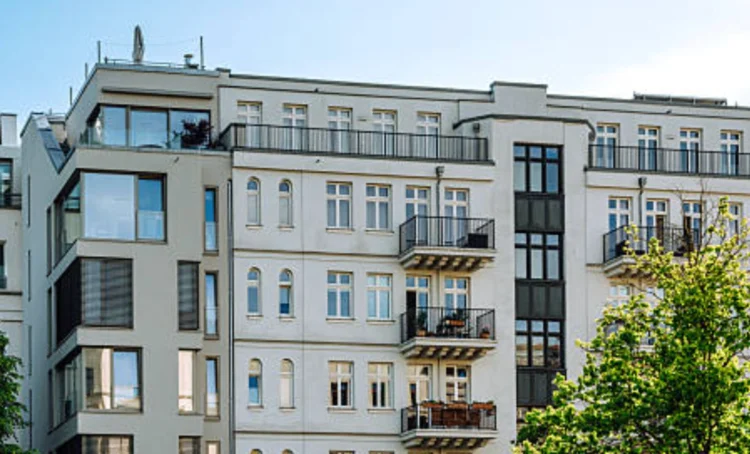
Renting an apartment in Germany may seem difficult at first, but once you understand the system, it becomes manageable. The key is preparation, understanding local rules, and acting quickly.
With the right approach, you can successfully find a home—even in competitive cities like Berlin.