If you have a trip to Louisiana planned this summer, there’s a health advisory worth reading before you pack. The Louisiana Vibrio vulnificus outbreak has already caused nine hospitalizations and five deaths in 2026, prompting the state health department to issue a formal warning to residents and visitors alike. It’s a sharp jump from Louisiana’s typical annual average of roughly seven cases and one death over the past decade, and it lands right in the middle of peak beach and seafood season, when both coastal water exposure and raw oyster consumption are at their highest.
This guide covers what Vibrio vulnificus actually is, what’s happening in Louisiana’s current outbreak, who’s most at risk, and the practical precautions any visitor can take to enjoy Louisiana’s coast and cuisine safely.
What Is Vibrio Vulnificus?
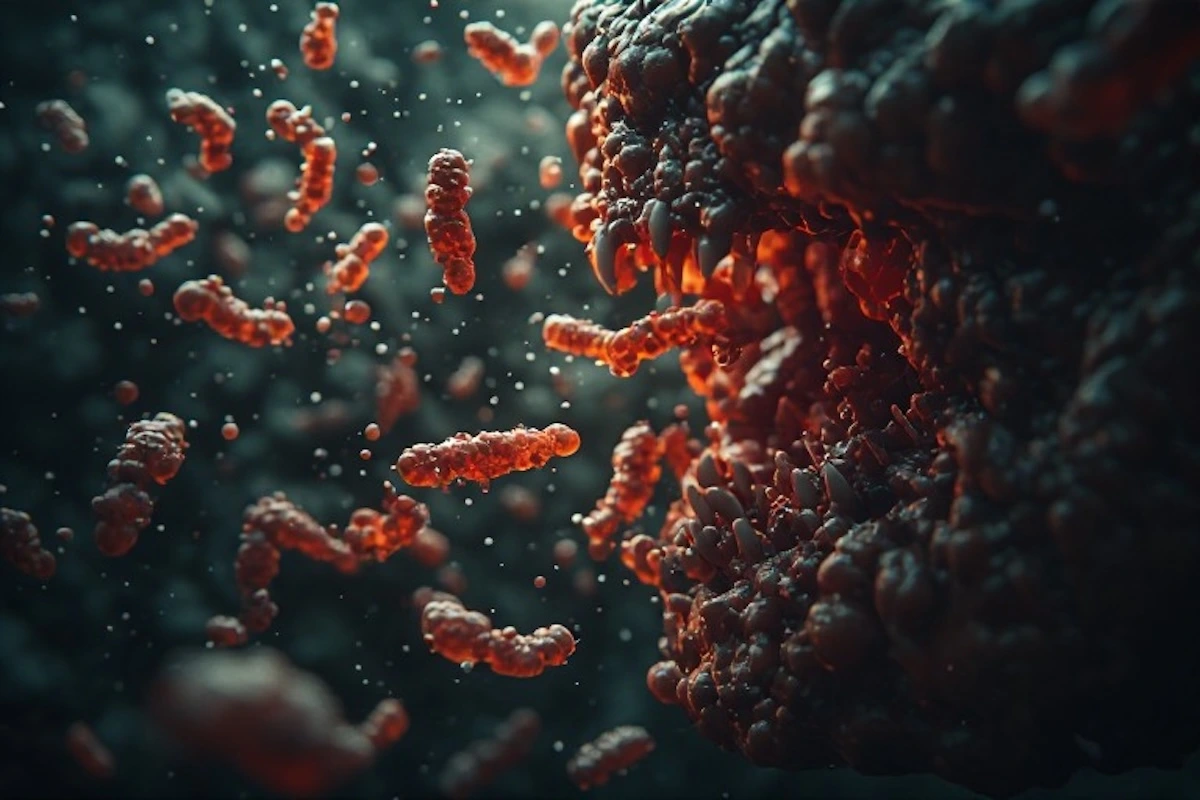
Vibrio vulnificus is a naturally occurring bacterium found in warm coastal and brackish waters, and it’s the most severe of roughly a dozen Vibrio species capable of causing illness in humans, a condition collectively known as vibriosis. Often referred to in media coverage as “flesh-eating bacteria,” it can cause life-threatening wound infections, bloodstream infections, and severe gastrointestinal illness, and according to the CDC, about one in five people who contract it die, sometimes within a day or two of becoming ill. Vibrio bacteria occur naturally and in higher concentrations between May and October, when coastal water temperatures rise — which is exactly the window Louisiana’s current outbreak falls within.
Louisiana’s 2026 Vibrio Outbreak: What Happened
The Louisiana Department of Health confirmed nine cases of Vibrio vulnificus infection so far in 2026, all of them severe enough to require hospitalization, with five resulting in death. Every case this year has been linked to an open wound that came into contact with seawater, and every affected patient had at least one underlying health condition. That’s a meaningful jump from Louisiana’s historical pattern: over the previous 10 years, the state averaged about seven cases and one death during the same period each year.
This isn’t an entirely isolated spike, either. Louisiana saw a similarly elevated year in 2025, when 26 cases and five deaths were reported statewide, with 85% of those cases tied to wound and seawater exposure and 92% involving patients with an existing health condition. Nationally, the CDC reports 150 to 200 Vibrio vulnificus cases annually, with roughly half occurring across the Gulf states — Texas, Louisiana, Mississippi, Alabama, and Florida — and Louisiana and Florida consistently reporting the highest case and death counts in the country. In response to this year’s numbers, LDH announced it will begin posting weekly Vibrio vulnificus case updates through its Public Health Data Spotlight webpage, giving residents and travelers an ongoing way to track the outbreak’s trajectory through the rest of the season.
Vibrio Vulnificus Symptoms to Watch For
Recognizing the early symptoms of a Vibrio vulnificus infection matters enormously, since the condition can progress from mild discomfort to life-threatening illness within a day or two. For wound infections, watch for redness, pain, swelling, or warmth around the site, along with skin discoloration or unusual drainage or discharge. If the infection progresses to the bloodstream, symptoms escalate significantly and can include fever, chills, dangerously low blood pressure, and blistering skin lesions — a combination that constitutes a medical emergency.
Vibrio infections contracted through eating contaminated seafood typically present differently, with gastrointestinal symptoms including watery diarrhea, stomach cramps, nausea, vomiting, fever, and chills. Because these symptoms can resemble more common foodborne illnesses, it’s easy for a genuine Vibrio infection to be mistaken for routine food poisoning in its earliest stages — a distinction that’s especially important for anyone who ate raw shellfish or had a wound exposed to Gulf waters within the preceding day or two, and who begins experiencing any of these symptoms afterward.
Who’s Most at Risk
While anyone can contract a Vibrio vulnificus infection, the Louisiana Department of Health has identified specific groups facing significantly higher risk of severe illness. This includes people with liver disease, cancer, diabetes, HIV, or thalassemia, along with anyone undergoing immune-suppressing treatment, taking medication that reduces stomach acid, or recovering from recent stomach surgery. Every one of the nine confirmed cases in Louisiana’s 2026 outbreak involved a patient with at least one underlying health condition — a pattern consistent with 2025’s outbreak as well, where 92% of cases involved a similar risk factor.
That doesn’t mean healthy travelers are entirely in the clear, but it does mean the calculus of risk looks meaningfully different depending on your own health status. Travelers managing any of the conditions above should treat Louisiana’s current advisory with real seriousness, while lower-risk travelers can generally follow standard precautions without needing to cancel coastal plans altogether — a risk-calibration approach that echoes how travelers weigh mosquito-borne illness risk when planning trips to warmer, higher-exposure destinations, where individual health status meaningfully changes the appropriate level of caution.
How Travelers Can Protect Themselves in Louisiana
The most important precaution is straightforward: keep any open wound, cut, scrape, or recent piercing or tattoo away from brackish or salt water entirely, since every confirmed 2026 case in Louisiana involved exactly this type of exposure. If you have any open skin wound and are planning to swim, wade, fish, or otherwise spend time in Louisiana’s coastal or brackish waters this season, cover it completely with a waterproof bandage beforehand, or reconsider water exposure until it’s fully healed.
For seafood, the guidance is equally direct: avoid raw or undercooked shellfish, particularly oysters, especially if you fall into one of the higher-risk categories outlined above. Louisiana’s food culture is deeply tied to raw oysters, and this advisory doesn’t mean skipping the state’s seafood entirely — properly cooked shellfish carries substantially lower risk, and Vibrio bacteria are killed by adequate cooking temperatures. If raw oysters are part of your Louisiana trip regardless, it’s worth understanding the same underlying food-safety principles that apply to any recent foodborne outbreak involving fresh or minimally processed ingredients, where the general lesson — that raw or undercooked ingredients carry meaningfully different risk than properly cooked ones — applies just as directly to Gulf Coast oysters as it does to any other raw food category.
Timing also matters. Since Vibrio bacteria concentrations rise specifically with warmer water temperatures between May and October, travelers visiting Louisiana’s coast during peak summer months face somewhat elevated baseline exposure risk compared to a winter or early-spring visit, independent of this particular outbreak’s severity. If your trip includes coastal activities anywhere along the broader Gulf Coast — not just Louisiana specifically — the same seasonal exposure window and precautions apply, a consideration worth factoring into any Gulf Coast beach getaway itinerary that includes wading, swimming, or fishing in warm coastal waters.
What to Do If You Suspect an Infection
If you develop any of the wound-related or bloodstream symptoms described above after coastal water exposure, or gastrointestinal symptoms after eating raw or undercooked seafood in Louisiana, seek medical attention immediately rather than waiting to see if symptoms resolve on their own. Given that Vibrio vulnificus can progress to life-threatening illness within a day or two, and that severe cases can require intensive care or limb amputation, delayed treatment meaningfully worsens outcomes. Tell the treating physician specifically about your recent water exposure or seafood consumption, since early, targeted antibiotic treatment significantly improves the odds of a full recovery, and a Vibrio-specific diagnosis can be easy for clinicians to miss if that exposure history isn’t volunteered upfront.
Is It Safe to Visit Louisiana Right Now?
For the overwhelming majority of visitors, yes — Louisiana remains a safe destination this summer, and this outbreak isn’t a reason to cancel a planned trip. Every confirmed 2026 case involved both a specific risk factor (an open wound exposed to seawater) and an underlying health condition, meaning the practical risk to a healthy traveler taking basic precautions remains genuinely low. That said, the sharp year-over-year increase in cases is a legitimate reason to take the state health department’s guidance seriously rather than dismissing it as routine caution: cover open wounds before water exposure, choose cooked seafood over raw if you’re in a higher-risk category, and know the early warning signs well enough to seek care quickly if something feels wrong.
Louisiana’s health department response — including its new commitment to weekly public case updates — reflects a state actively tracking and responding to this outbreak rather than downplaying it, which is itself a reasonable signal for travelers weighing whether current conditions are being taken seriously by the people best positioned to monitor them.
Frequently Asked Questions
How many people have died from Vibrio vulnificus in Louisiana in 2026?
As of early August 2026, five people have died from Vibrio vulnificus infections in Louisiana, out of nine total confirmed cases, all of which required hospitalization. This marks a significant increase from the state’s 10-year average of about one death annually during the same period.
What are the symptoms of Vibrio vulnificus infection?
Wound infection symptoms include redness, pain, swelling, warmth, skin discoloration, and discharge around the affected area. Bloodstream infection symptoms include fever, chills, dangerously low blood pressure, and blistering skin lesions. Gastrointestinal symptoms include watery diarrhea, stomach cramps, nausea, vomiting, fever, and chills.
How do you get infected with Vibrio vulnificus in Louisiana?
Infection occurs when an open wound is exposed to warm coastal or brackish water, or through eating raw or undercooked shellfish, particularly oysters. Every confirmed 2026 case in Louisiana involved a wound exposed to seawater.
Is Vibrio vulnificus the same as flesh-eating bacteria?
Vibrio vulnificus is commonly referred to as “flesh-eating bacteria” in media coverage because severe wound infections can cause rapidly progressing tissue damage. It’s considered the most severe of roughly a dozen Vibrio species capable of causing human illness.
Who is most at risk for severe Vibrio vulnificus infection?
People with liver disease, cancer, diabetes, HIV, or thalassemia face higher risk, as do those undergoing immune-suppressing treatment, taking stomach-acid-reducing medication, or recovering from recent stomach surgery. All nine of Louisiana’s 2026 cases involved patients with an underlying health condition.
Should I cancel my trip to Louisiana because of the Vibrio outbreak?
For most healthy travelers, cancellation isn’t necessary. The current outbreak has disproportionately affected people with underlying health conditions and wound exposure to seawater. Covering open wounds before water exposure and avoiding raw shellfish, especially if you’re in a higher-risk group, significantly reduces personal risk.