On a quiet stretch of Interstate 80, where cornfields stretch to the horizon and semis roll through day and night, there’s a place that feels almost unreal the first time you see it.
It has its own movie theater. A dentist. A chiropractor. A gym. A museum filled with vintage trucks. And a kitchen that never, ever closes.
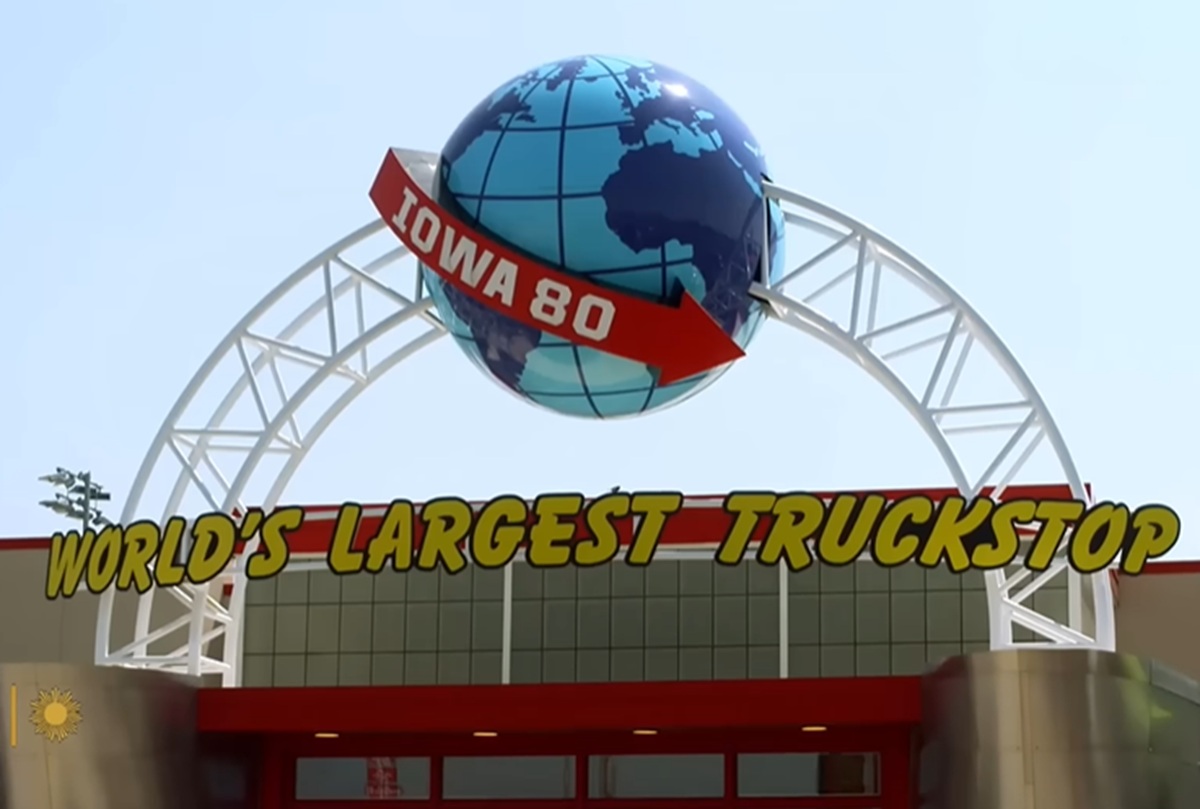
This is Iowa 80, the largest truck stop in the world—and one of the last great family-owned landmarks of America’s highway era.
For the people who spend their lives behind the wheel, it isn’t just a place to stop. It’s a lifeline.
A Truck Stop the Size of a Small Town
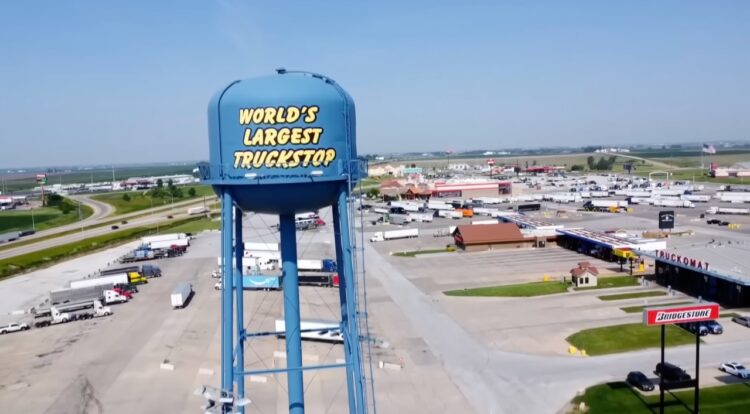
Iowa 80 doesn’t ease into view—it announces itself. Covering an area equivalent to more than 150 football fields, the truck stop was built to handle the relentless flow of freight moving across the country.
There are 900 parking spots dedicated to semi-trucks, a rarity in an era when drivers often circle for hours searching for a place to rest. At Iowa 80, there is almost always room.
That alone is enough to make it legendary.
But what truly sets it apart is what happens after the engine shuts off.
The Kitchen That Feeds the World’s Largest Truck Stop
The kitchen at Iowa 80 operates 24 hours a day, 365 days a year, serving roughly 350,000 meals annually. During the morning rush, it feels more like a factory than a diner—chefs calling orders, whisking eggs, flipping pancakes, and stocking a buffet that stretches nearly 50 feet.
Since opening over 61 years ago, the kitchen has served an estimated 23 million eggs.
Despite the scale, much of the food is still made from scratch. Meatloaf follows a decades-old family recipe, mixed in a machine that’s been running for more than 40 years. Ranch dressing is prepared by the gallon. Fried chicken is hand-breaded. Bacon—about 60 pounds a day—hits the ovens before sunrise.
For drivers who may only get one real meal in a long day, this matters.
Why Truckers Keep Choosing Iowa 80
Long-haul truckers routinely drive 11 hours a day and log 70-hour work weeks. Many spend months away from home. At Iowa 80, they can do far more than eat.
They can:
- Watch a movie
- Get a haircut
- Work out at the gym
- Take a hot shower in a private stall
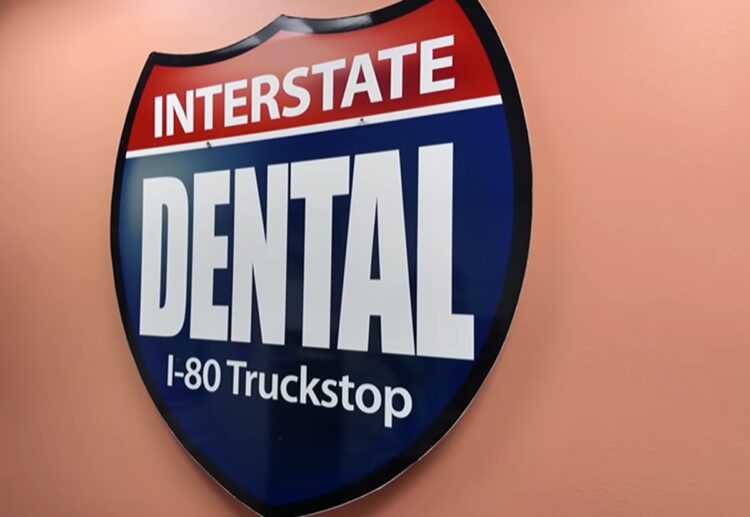
- Visit a dentist or chiropractor
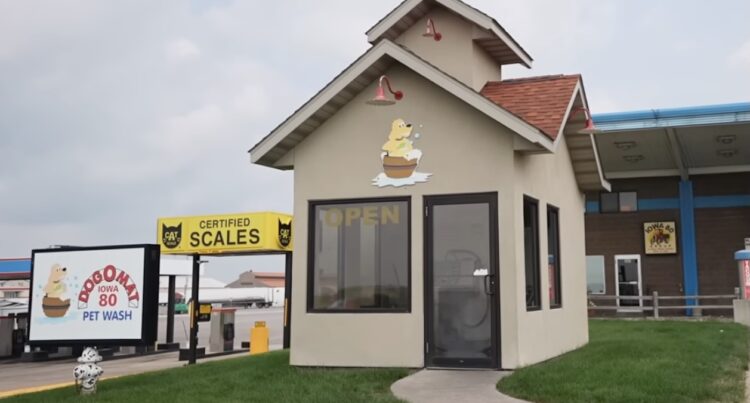
- Wash their truck—or even their dog
The idea is simple: when drivers finally stop, they shouldn’t have to leave again.
This philosophy comes directly from the family that built Iowa 80 and still runs it today.
Built for the Interstate Age
Iowa 80 opened in 1964, just as the United States was building its interstate highway system—the largest infrastructure project in the nation’s history.
Earlier highways cut through towns, keeping small businesses alive. Interstates bypassed them completely, allowing trucks to move faster, heavier loads across longer distances.
At the same time, trucking was booming. By the 1960s, trucks were closing in on trains as the dominant way goods moved across the country. Iowa, already a major agricultural producer, sat perfectly positioned along two of the busiest cross-country routes.
The timing—and the location—changed everything.
What Happened to America’s Mom-and-Pop Truck Stops
As interstate traffic grew, so did corporate truck stop chains. Family-owned stops were gradually replaced by massive travel centers. Mergers and acquisitions followed, and many longtime trucker favorites vanished almost overnight.
For drivers, the loss was real:
- Fewer parking spots
- Longer fuel waits
- Amenities designed for tourists, not professionals
Iowa 80 survived by expanding—renovating more than 30 times—without abandoning its core purpose. Though its fuel operation became part of a national brand, the truck stop itself remained family-owned.
That decision kept its soul intact.
A Glimpse Into the Past of America’s Highways
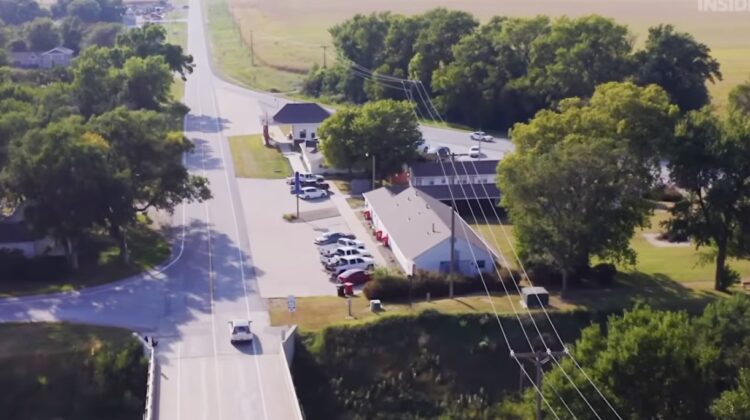
Not far from Iowa 80 sits one of Iowa’s oldest roadside stops, built at the intersection of two of America’s first cross-country highways. In the early 1900s, places like this were everywhere—offering fuel, food, and cabins to travelers crossing the country on dirt roads.
When interstates rerouted traffic, these stops were left behind.
Inside the old gas station, time feels frozen: antique registers, faded maps, and stories of free candy bars handed out to kids. The nearby café still serves slow-cooked roast beef, handmade pies, and chicken fried in beef tallow—recipes unchanged for generations.
Local residents are now fighting to preserve it, not for profit, but for history.
Why Truck Stops Are Still Essential Today
Truckers move about 70% of America’s goods, yet trucking remains one of the most difficult professions in the country. Turnover rates hover near 90%, driven by long hours, low pay, and time away from family.
For many drivers, a truck is a rolling home—without a bathroom.
That’s why truck stops like Iowa 80 matter. They provide safety, dignity, and community in places where there is often nothing else for miles.
A Celebration on Concrete
Every summer, Iowa 80’s massive parking lot becomes the site of its famous Trucker Jamboree, drawing tens of thousands of visitors. There are truck beauty contests, competitions, and awards—moments when drivers are celebrated instead of ignored.
The family behind Iowa 80 remains deeply involved, greeting winners and preserving traditions. On-site, a museum showcasing more than 130 historic trucks honors the industry’s past and the people who built it.
More Than a Stop Along the Road
Between the highways and the heartland, Iowa 80 stands as something increasingly rare: a place built for people, not just profit.
For drivers who sacrifice holidays, family time, and comfort to keep America moving, it’s more than the world’s largest truck stop.
It’s home—if only for a few hours.