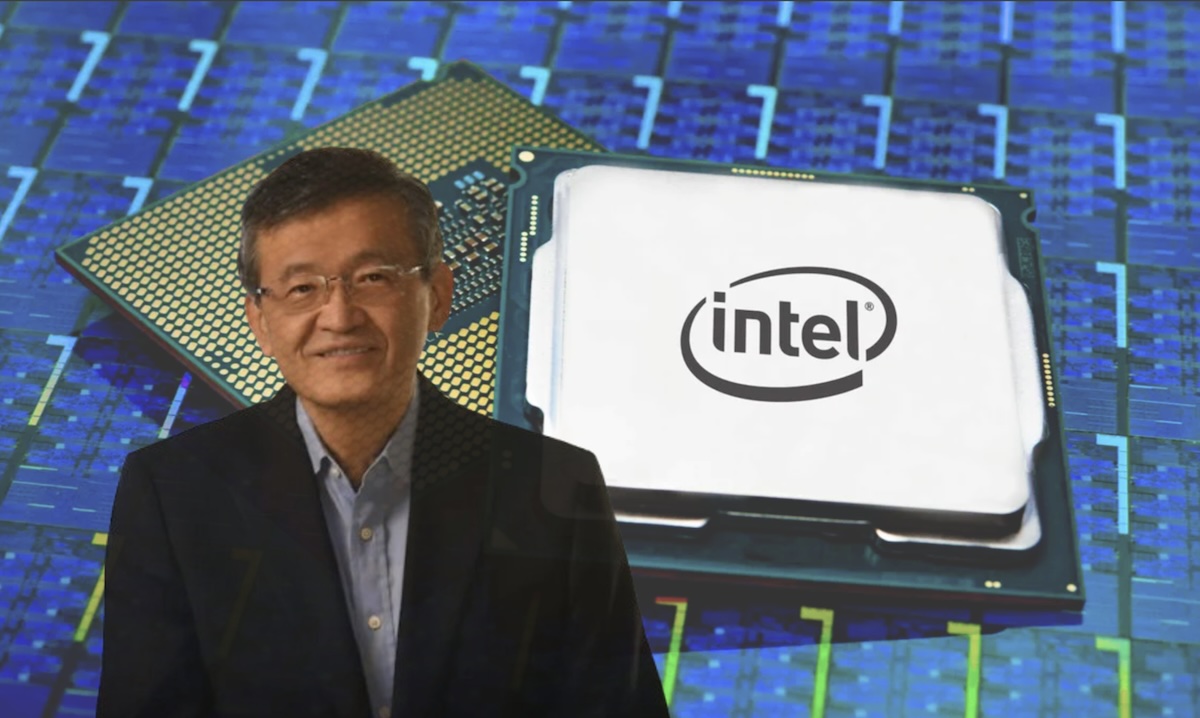
Intel has made a bold move in appointing Lip-Bu Tan as its new CEO, signaling a fresh direction for the struggling tech giant. With the company’s stock jumping 12% following the announcement, many are eager to see if Tan can steer Intel out of its rough patch and into a new era of growth. Here’s a deep dive into why Intel made this strategic decision, what Tan’s portfolio entails, and the transformative approach he plans to implement.
Why Intel Appointed Lip-Bu Tan as CEO
Intel’s recent leadership change comes at a crucial time. The semiconductor giant has faced a tumultuous few years, marked by declining sales, an inability to break into the artificial intelligence (AI) market, and fierce competition from rivals like Nvidia. Under former CEO Pat Gelsinger, Intel struggled to meet its ambitious goals, including its plan to expand into chip manufacturing for other companies.
Tan, a seasoned leader with a proven track record of success in the tech industry, was appointed to bring a much-needed turnaround. Before joining Intel, Tan served as the CEO of Cadence Design Systems, a leader in software tools for chip design, used by major players like Intel. His wealth of experience in the tech ecosystem and as an Intel board member puts him in a prime position to understand the company’s challenges and potential.
Tan’s Portfolio and Vision for Intel’s Future
Tan’s extensive career has prepared him to take the reins at Intel during this critical period. As the CEO of Cadence, Tan grew the company’s market presence and boosted shareholder value significantly. His decision to return to Intel is seen as an opportunity to revitalize the company’s operations and strengthen its competitive edge, especially in the areas where Intel has struggled.
Tan’s vision for Intel involves a combination of strategic risk-taking and doubling down on areas where the company is already performing well. He mentioned, “In areas where we have momentum, we need to double down and extend our advantage. In areas where we are behind the competition, we need to take calculated risks to disrupt and leapfrog.” This statement hints at his approach of aggressively pursuing opportunities in AI, where Intel has lagged behind Nvidia, while also optimizing Intel’s existing strengths in chip manufacturing.
Tan’s leadership will focus on driving growth, leveraging Intel’s existing technological infrastructure, and addressing the company’s current weaknesses in innovation and market share.
Intel’s Stock Soars After CEO Announcement
Following the announcement of Tan’s appointment, Intel’s stock surged 12% in extended trading, signaling investor optimism about the new leadership. The stock jump can be attributed to Tan’s strong track record and the relief that the company has made a decisive leadership change. Investors had grown frustrated with Intel’s stagnation under the previous CEO, and they are hopeful that Tan’s strategic vision will lead the company to more profitable ventures, particularly in the highly competitive semiconductor and AI markets.
Additionally, Tan’s appointment marks a departure from the instability of the past. Intel has had four permanent CEOs in seven years, a period of constant leadership changes that raised concerns about the company’s long-term strategy. With Tan now at the helm, Intel aims to stabilize its operations and focus on accelerating growth opportunities.
Tan’s Approach to Intel’s Growth
To reignite Intel’s growth, Tan plans to tackle a few key areas:
- Reinvesting in Core Strengths: Intel will look to expand and capitalize on areas where it still holds a competitive advantage, particularly in its semiconductor manufacturing capabilities.
- Pushing into AI: While Intel has lost ground to Nvidia in the AI space, Tan sees this as an area of opportunity. He’ll need to innovate quickly to catch up with Nvidia’s dominance in GPUs, which have become the preferred choice for AI developers.
- Strategic Risk-Taking: Tan believes in taking calculated risks in areas where Intel has fallen behind its competitors. This could involve shifting focus, pivoting to new technologies, or enhancing current products to leapfrog the competition.
- Cost-Cutting Measures: Tan will likely drive cost-cutting initiatives to streamline Intel’s operations, which will help improve margins and profitability.
Intel’s Rocky Road and the Competitive Landscape
Intel’s struggles are not just internal but also external. The company’s market share in the semiconductor industry has taken a hit, particularly in comparison to Nvidia. While Intel’s market cap stands at $89.5 billion, Nvidia has experienced a meteoric rise, boasting a valuation that is more than thirty times Intel’s. This dramatic shift reflects the broader challenges Intel faces as it navigates the rapidly evolving tech landscape, especially in AI and graphics processing.
Despite these challenges, Tan’s appointment provides Intel with a fresh chance to re-establish its leadership in the semiconductor market. As the company addresses its weaknesses, investors are hopeful that Tan’s decisive leadership will pave the way for a brighter future.
A Fresh Start for Intel
With Lip-Bu Tan’s appointment, Intel has taken a bold step toward revamping its operations and strategy. His proven leadership, coupled with his deep understanding of the semiconductor industry, makes him a promising choice to drive Intel’s turnaround. As Tan sets his sights on expanding Intel’s AI presence and optimizing its current strengths, all eyes will be on how quickly he can bring meaningful results. With the stock jump and renewed investor confidence, it’s clear that Intel’s future is full of potential under Tan’s leadership.