The Magic of Mood Rings: How Do They Really Work?
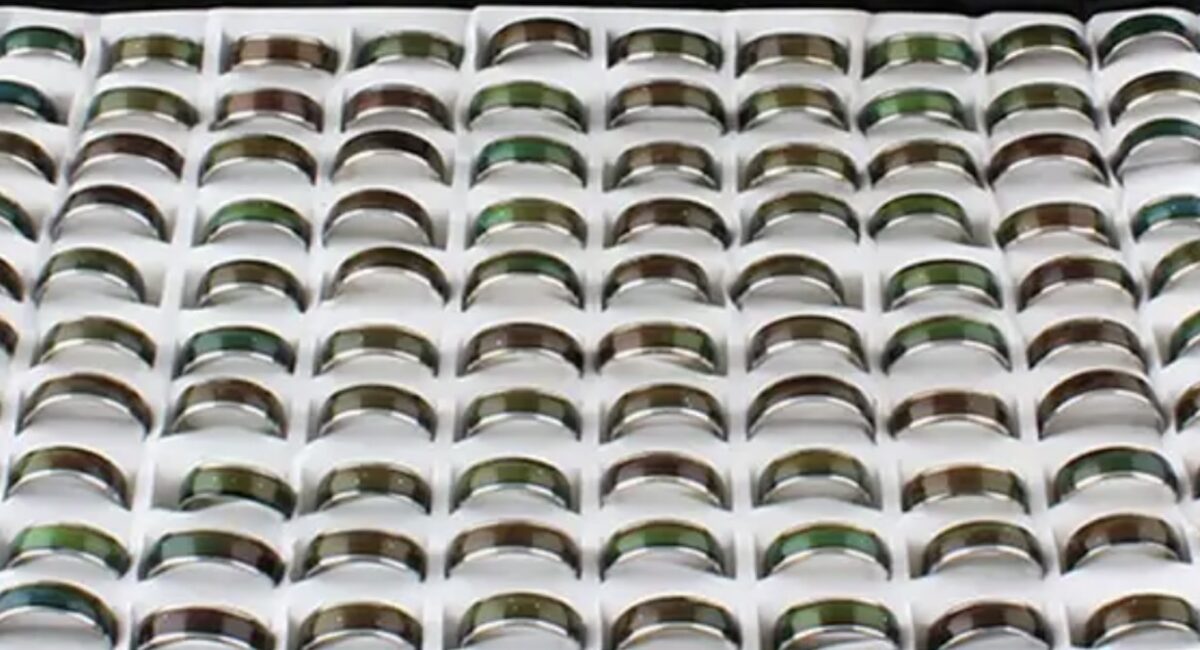
Picture this: It’s 1975, and everyone from hippies to Hollywood stars is wearing a mysterious ring that changes color with their emotions. Fast-forward to today, and mood rings are still a fun fashion statement—but how do they actually work?
The truth? They don’t read your emotions. Instead, they react to body temperature! Here’s the science behind the sparkle.
The Secret Behind the Color Change
Mood rings contain thermochromic liquid crystals—a fancy term for materials that shift color with heat. Here’s the breakdown:
- Heat Sensitivity: The crystals respond to tiny temperature changes in your skin.
- Light Reflection: Different temperatures alter how light passes through the crystals, creating color shifts.
- Calibration: Rings are designed to display certain colors at average body temps (around 98.6°F/37°C).
Fun Fact: Mood rings were invented in 1975 by two New Yorkers—Josh Reynolds and Maris Ambats—and sold over 40 million in their first year!
Mood Ring Color Meanings: What Do They Really Indicate?
While mood rings don’t detect emotions, their colors loosely correlate with temperature changes caused by blood flow (which can reflect stress, relaxation, etc.). Here’s the classic guide:
| Color | Temperature | Supposed Mood | What It Really Means |
|---|---|---|---|
| 💙 Blue | Cool (82–86°F) | Calm, relaxed | Steady circulation, normal temp |
| 💚 Green | Average (87–90°F) | Balanced, content | Baseline body warmth |
| 💛 Yellow | Slightly warm (91–95°F) | Excited, nervous | Mildly increased blood flow |
| 🧡 Amber/Orange | Warm (96–98°F) | Stressed, anxious | Higher temp from activity/stress |
| 🖤 Black | Hot (99°F+) | Tense, overwhelmed | Poor circulation or cold fingers |
| 💜 Purple | Cold (<82°F) | Happy, romantic | Cold hands (or room temp!) |
Wait… Why Does My Ring Turn Black?
Contrary to myth, black doesn’t mean “angry.” It usually means:
- Your hands are cold (restricts blood flow)
- The ring is damaged (crystals stop working)
- You’re wearing it too loose (metal cools down)
Do Mood Rings Actually Work? The Truth
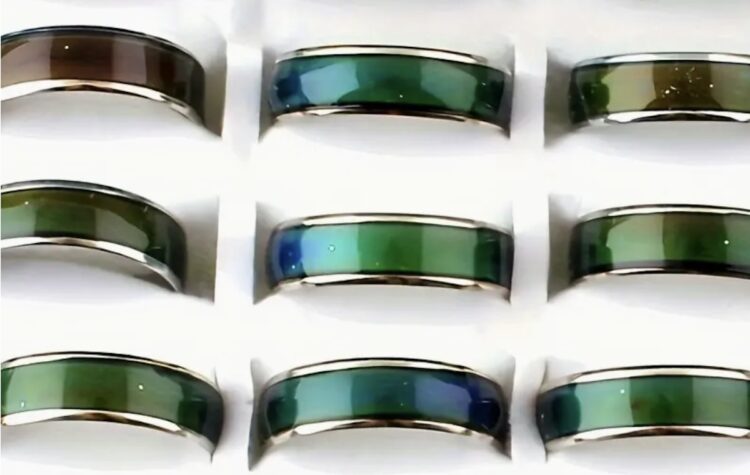
Short answer: Not for emotions—but they do react to temperature!
Why People Believe the “Mood” Myth:
- Placebo Effect: If you’re told blue means calm, you might feel calmer.
- Body Temp Shifts: Stress can raise temp (amber), while relaxation lowers it (blue).
- Fun Novelty: They’re more about nostalgia than science.
Pro Tip: Try running your ring under cold water—it’ll turn purple/blue!
Mood Rings Through the Decades
- 1970s: A cultural craze, sold alongside lava lamps.
- 1990s: Revived as retro fashion (think Clueless vibes).
- Today: A quirky accessory for festivals and TikTok trends.
How to Make Your Mood Ring Last Longer
- Avoid Water: Prolonged exposure can damage crystals.
- Store Properly: Keep away from extreme heat/cold.
- Wear It Right: Fits snugly for accurate temp readings.
Should You Wear One?
✅ Do it for fun—they’re a cool conversation starter!
❌ Don’t rely on it for emotional insight (try meditation instead).
“My mood ring’s always black… but I’m chill, I swear!” – Reddit user
Where to Buy a Mood Ring
Check out:
- Etsy (handmade options)
- Amazon (affordable classics)
- Vintage shops (authentic 70s pieces)
Did this solve the mystery? Share your mood ring color in the comments! 💍✨