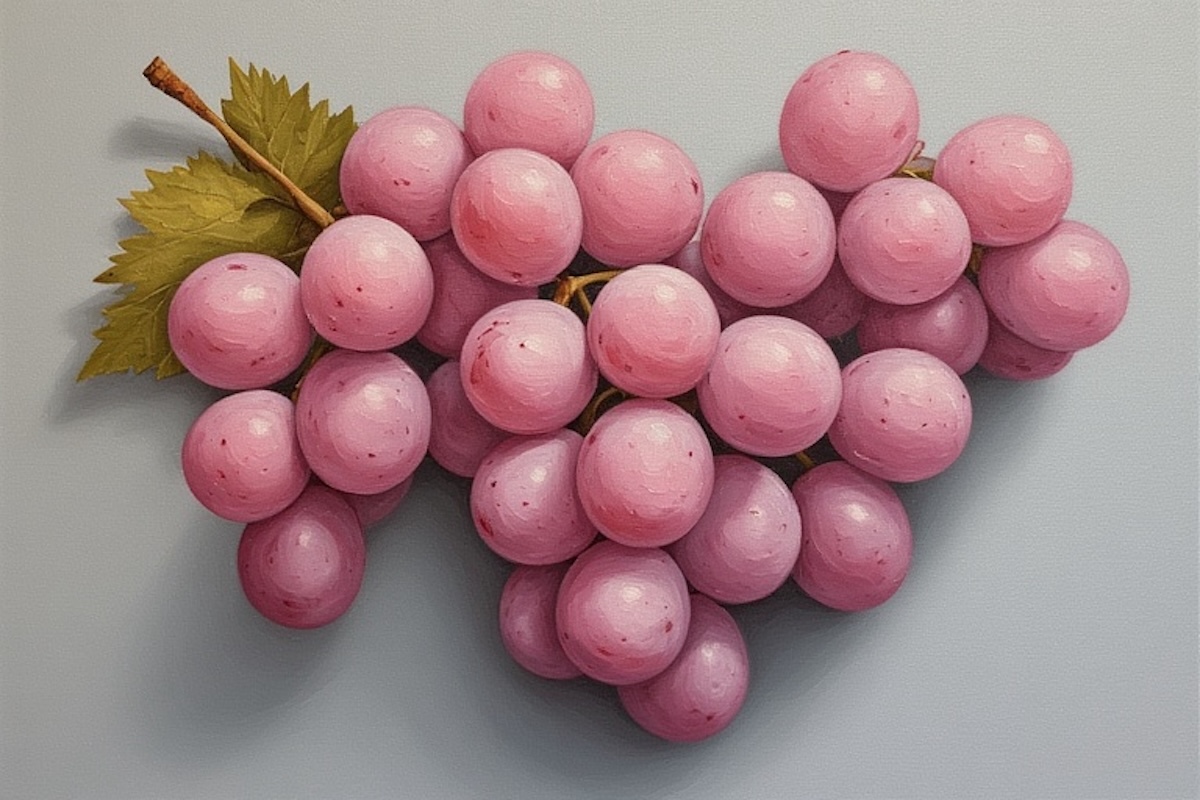
How Cotton Candy Grapes Are Made: A Business Story of Flavor Innovation
In the competitive world of fresh produce, standing out is not easy. Grapes have existed for thousands of years, and most shoppers expect them to taste sweet—but not surprising. That expectation is exactly what makes cotton candy grapes a breakthrough. Their creation is not the result of artificial flavoring or genetic modification, but of years of patient breeding, careful farming, and a business strategy built entirely around flavor.
The Business Vision: Making Flavor the Priority
At the heart of cotton candy grapes is a simple but bold business idea: flavor comes first. While many growers focus on yield, shelf life, or appearance, this approach puts taste above everything else. The goal is to grow grapes that make consumers pause, smile, and talk about them.
This philosophy requires more time, higher costs, and greater risk—but it also creates a product that clearly stands apart in grocery stores around the world.
The Breeding Process: Natural, Traditional, and Non-GMO
Cotton candy grapes are made through traditional cross-pollination, not genetic modification. This means:
- No artificial flavor is added
- No genes are altered in a lab
- No sugar or candy ingredients are used
Breeders carefully cross one grape flower with another grape flower, combining varieties from different regions of the world. Each cross produces a completely unpredictable result. Most experimental grapes never reach consumers—but a few rare ones show exceptional flavor potential.
The cotton candy grape was discovered almost by accident during this process. When it was first grown, no one expected it to taste like cotton candy.
Why the Flavor Develops After Harvest
One of the most surprising facts about cotton candy grapes is that they do not taste like cotton candy while growing on the vine. The signature flavor only appears after harvest, when the grapes are cooled in a refrigerated environment.
Cold storage activates the grape’s natural sugar and aroma compounds in a way that creates the familiar cotton candy flavor profile. This makes timing extremely important—harvesting too early results in grapes that taste ordinary rather than special.
The Farming Challenge: Precision Over Volume
From a production standpoint, cotton candy grapes are among the most difficult grapes to grow.
Key challenges include:
- Grape clusters ripen at different times on the same vine
- Each bunch must be evaluated individually
- Harvesting is done entirely by hand
- Workers must be trained to identify exact ripeness
If a cluster is harvested even slightly early, the cotton candy flavor does not develop. This makes large-scale automation impossible and increases labor costs significantly.
However, this precision is what protects the brand promise and ensures consistent quality.
Harvesting Strategy: Training People, Not Machines
Because flavor is the core value, farm crews are trained with a completely different mindset than traditional grape harvesting. Workers learn:
- How ripeness affects flavor, not just appearance
- How to recognize subtle changes in sugar development
- When to leave fruit on the vine longer
This specialized harvesting system represents a major operational investment, but it allows the final product to meet consumer expectations every time.
From Vineyard to Grocery Store: Delivering a Premium Product
Once harvested, cotton candy grapes move quickly through cold storage and distribution channels to grocery stores. The goal is simple: preserve the flavor experience exactly as intended.
From a business perspective, cotton candy grapes succeed because they:
- Create strong emotional reactions from consumers
- Encourage word-of-mouth marketing
- Justify premium pricing through uniqueness
- Reinforce brand loyalty based on taste, not trends
Innovation Through Patience and Craft
Cotton candy grapes are not a gimmick. They are the result of years of experimentation, traditional breeding, skilled labor, and a business model centered on delighting customers. Their success proves that even in a mature industry like agriculture, innovation is possible when companies are willing to invest in quality, creativity, and flavor.
In the end, cotton candy grapes show that sometimes the sweetest business ideas grow slowly—one vine at a time.