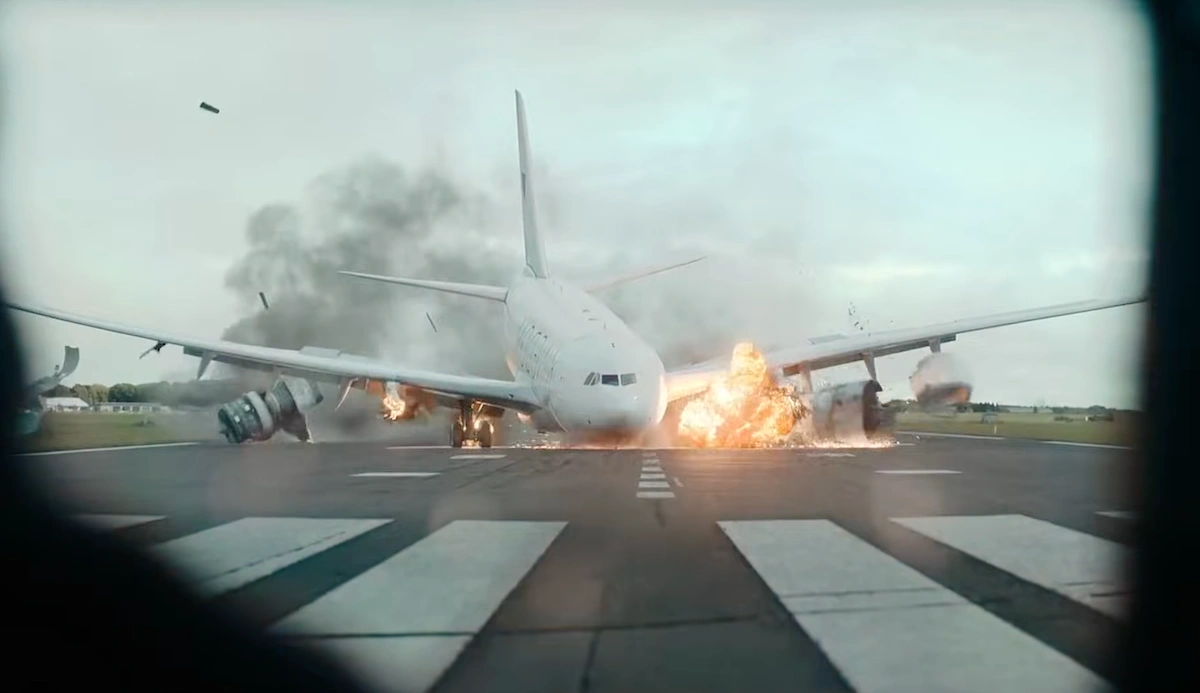
The first thing you notice isn’t fear—it’s routine.
A boarding call echoes through Dubai airport. People shuffle forward, dragging carry-ons and unfinished conversations. Somewhere in that line is a man who just wants to get home. Somewhere else is another who almost didn’t make it onto the flight at all. And scattered among the 200 passengers are strangers who will soon be bound together by something far more terrifying than turbulence.
The plane takes off smoothly. Six hours to London. Just another ordinary journey.
Except… it never really lands.
A Flight That Refuses to Stay Ordinary
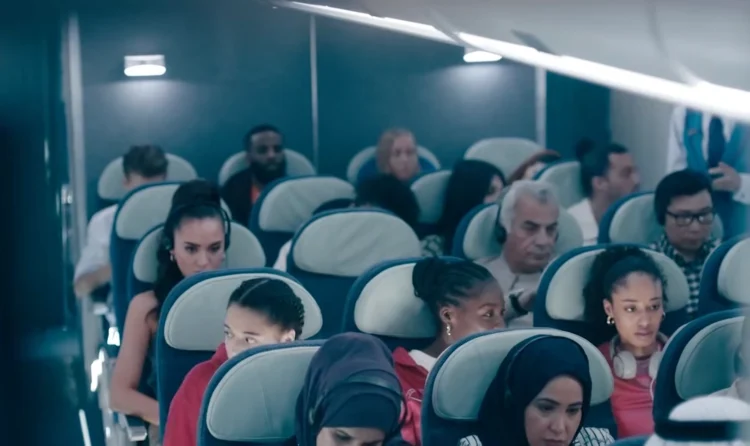
At first, it’s small things. A raised voice. A nervous glance. A child who finds something she shouldn’t—a single bullet, cold and out of place in a world where nothing dangerous is supposed to exist.
Then comes the shift.
Not loud. Not dramatic. Just a quiet unraveling.
Passengers begin noticing patterns. Identical bags. Whispered exchanges. The kind of tension you can feel before you understand it. And then, without warning, the illusion of safety shatters.
Weapons appear.
Orders are shouted.
And suddenly, 200 lives are suspended in the sky, caught between control and chaos.
The Man Who Chooses to Think Instead of Panic
In stories like this, you expect a hero to rise with force. Someone to fight back, to overpower, to dominate.
But this story moves differently.
At the center is a negotiator—a man trained not to fight, but to understand. While fear spreads like wildfire through the cabin, he does something unexpected: he listens. He watches. He calculates.
Because in a sealed aircraft at 30,000 feet, brute strength isn’t survival.
Strategy is.
He doesn’t try to stop the hijackers outright. He steps closer to them. Talks to them. Plays along. Every word, every action, a calculated move in a much larger game.
And slowly, almost invisibly, the balance begins to shift.
When Nothing Is What It Seems
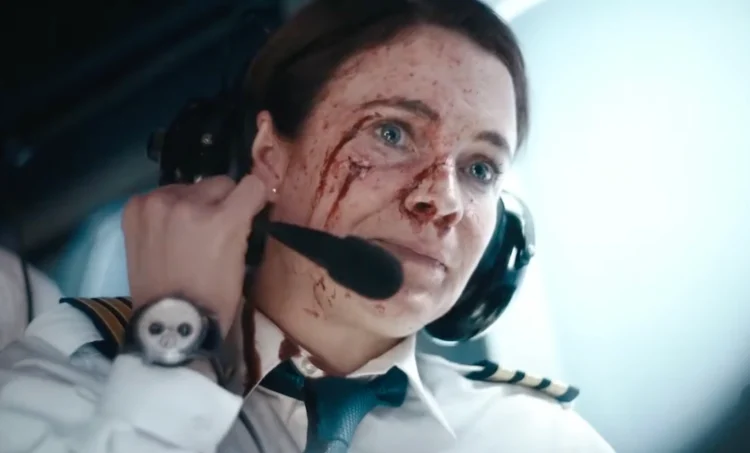
Just when you think you understand the danger, the story twists again.
The weapons? Not all real.
The motives? More complicated than terror.
The hijackers? Not entirely in control themselves.
What unfolds isn’t just a hijacking—it’s a layered conspiracy stretching far beyond the aircraft. Families threatened. Secrets exposed. Lives manipulated like pieces on a board.
Even the cockpit, the supposed center of control, becomes uncertain.
And then comes the most chilling realization:
The greatest threat might not be the people holding the guns… but the ones pulling the strings from the ground.
A Plane That Can’t Land—Until It Does
As the hours pass, the stakes climb higher.
Military forces track the aircraft. Governments argue over impossible decisions. Fighter jets circle like silent judges, ready to act if one wrong move is made.
Inside the cabin, alliances form and break. Fear turns into courage. Passengers who once avoided eye contact begin to fight for each other.
Because survival is no longer individual.
It’s collective.
And when the final moments arrive—when fuel runs low and options disappear—the question is no longer who is in control?
It’s who is willing to risk everything to save everyone else?
Why Hijack Feels Different
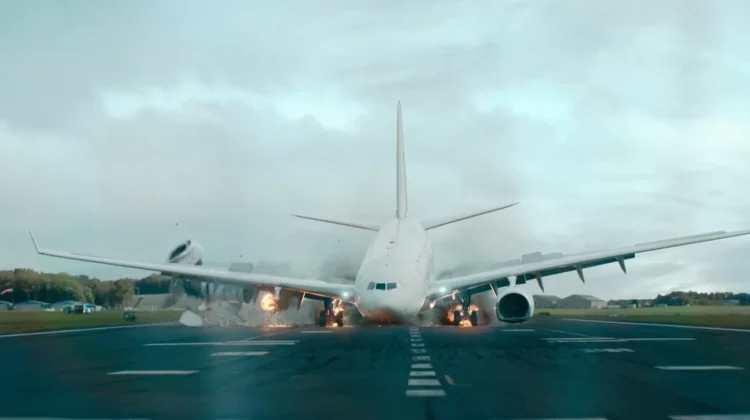
Hijack isn’t just another thriller about a plane in danger. It’s a story about tension that builds quietly, then grips you completely.
What makes it stand out is how human it feels.
- The fear isn’t exaggerated—it’s intimate.
- The hero isn’t invincible—he’s observant.
- The villains aren’t simple—they’re trapped in their own way.
Instead of explosive action at every turn, the story leans into psychology, decisions, and consequences. Every conversation matters. Every hesitation carries weight.
And by the time the plane finally reaches the ground, you realize the real journey wasn’t about distance.
It was about survival, trust, and the fragile line between control and chaos.