The government shutdown risk that briefly threatened travel plans around September 30, 2026, has already come and gone — Congress passed a continuing resolution on September 1 that funds federal agencies through December 11, 2026. That’s genuinely good news for anyone flying over Thanksgiving. But the relief is temporary, and the new deadline lands in an unusually awkward spot: two weeks before Christmas, right as holiday travel volume starts climbing toward its yearly peak. After three separate funding lapses already disrupted air travel in the past thirteen months — including the longest shutdown in U.S. history — the pattern is worth understanding now, while there’s still time to plan around it.
Key Takeaways
- Congress averted a shutdown at the September 30, 2026 deadline by passing a continuing resolution on September 1 that funds the government through December 11, 2026 — so Thanksgiving travel (November 26) is not at risk.
- The new December 11 deadline falls about two weeks before Christmas, right as the holiday travel season is ramping up rather than after it winds down.
- The U.S. has already had three funding lapses in roughly thirteen months: a 43-day shutdown in October–November 2025, a 4-day lapse in late January 2026, and a 76-day Department of Homeland Security-only shutdown from mid-February to April 2026 — the longest shutdown in American history.
- Those shutdowns had measurable, well-documented effects on travelers: TSA checkpoint waits exceeding three hours at some airports, over 1,000 TSA officer resignations, emergency flight-reduction orders at 40 major airports, and National Park Service visitor centers and restrooms closed nationwide.
- None of this means a fourth shutdown is guaranteed on December 11 — but given the track record, it’s a reasonable date to build flexibility around if you have travel planned for mid-to-late December 2026.
What Just Happened: The September 30 Deadline Was Averted
Heading into September, Congress faced a real risk of a fourth funding lapse in just over a year, with Democrats and Republicans deadlocked over spending priorities and a September 30 deadline approaching fast. On September 1, 2026, the House passed a continuing resolution by a wide, bipartisan 370–48 margin, extending federal spending at current levels through December 11, 2026. The Senate and White House followed, and the bill was signed into law days ahead of the deadline.
The motivation was straightforward: with midterm elections in November, neither party wanted to be blamed for a shutdown disrupting travel, paychecks, and government services in the closing weeks of a campaign. Rather than resolve the underlying budget disagreements, lawmakers kicked the fight to December — a short-term fix that avoids one crisis while setting up the next decision point at an inconvenient time of year.
Why December 11 Is a Genuinely Bad Time for This Fight
December 11 sits almost exactly two weeks before Christmas and about three weeks before New Year’s Day — squarely inside the window when holiday flight bookings, family road trips, and airport crowds are all climbing toward their annual peak. AAA has recorded roughly 80 million Americans traveling over the Thanksgiving-to-New Year’s stretch in recent years, and the days immediately surrounding Christmas and New Year’s are consistently among the busiest of the entire year at U.S. airports.
That timing matters because of how the last DHS-only shutdown actually played out. When funding for the Department of Homeland Security lapsed on February 14, 2026 over an immigration-policy dispute, negotiators initially treated it as a short-term standoff. It ran for 76 days, into April 30 — becoming the longest shutdown in U.S. history and blowing past every prediction about how quickly it would resolve. There’s no way to know whether a December 2026 shutdown would follow the same pattern, but the precedent argues against assuming it would be brief.
A Year of Shutdowns, and What Each One Did to Travelers
To understand what December could look like, it helps to see what the previous three funding lapses actually did — not in the abstract, but in checkpoint wait times, cancelled flights, and closed park restrooms.
| Shutdown | Dates | Length | Cause |
|---|---|---|---|
| Full government shutdown | October 1 – November 12, 2025 | 43 days (longest full shutdown on record at the time) | Broader appropriations standoff |
| Brief lapse | January 31 – February 3, 2026 | 4 days | Delayed funding package following a CBP-involved incident |
| DHS-only shutdown | February 14 – April 30, 2026 | 76 days (longest shutdown in U.S. history) | Stalemate over immigration enforcement reforms |
Flight delays and cancellations
During the October–November 2025 shutdown, air traffic controller staffing shortages went from causing about 5% of national airspace delays in a normal month to 62% by November, according to congressional testimony from Airlines for America. The FAA ordered emergency flight reductions at 40 major airports, and by early November more than 3.7 million passengers had experienced a staffing-related delay or cancellation, with tens of thousands of individual flights affected. One industry estimate put the potential daily economic toll at $580 million if reduction orders had reached their full planned scale.
TSA checkpoint waits
The February–April 2026 DHS shutdown hit airport security screening especially hard, since TSA officers worked without pay for weeks. Checkpoint wait times ran 25 to 45 minutes above normal nationally, with waits exceeding three hours at Houston’s airports and two hours in New Orleans at points during the shutdown. Unscheduled absence rates among TSA staff roughly tripled nationally, and callout rates at some individual airports — Houston chief among them — reportedly topped 50% on the worst days. More than 1,000 TSA officers had resigned by the time the shutdown ended in late April, a workforce loss the agency was still working to backfill months later.
National parks
The October 2025 shutdown alone furloughed roughly 9,000 National Park Service staff, leaving parks running at about a third of normal staffing. Visitor centers closed, ranger programs were cancelled, and an estimated $41 million in park fee revenue went uncollected. With minimal ranger presence, several parks documented an uptick in rule violations — including unpermitted camping, ignored trail closures, and vandalism at sites including Gettysburg — that the National Parks Conservation Association has cited as a lasting cost of running parks understaffed for weeks at a time.
Passports and trusted traveler programs
During prior lapses, DHS temporarily suspended new enrollment processing for Global Entry and TSA PreCheck to redirect staff toward standard screening lines, leaving pending applicants with appointments cancelled and no rescheduled date given. Passport processing generally continued, since the State Department retains a fee-funded reserve for exactly this scenario, but with reduced staff and slower turnaround than usual. Anyone with international holiday travel already planned and a passport that needs renewing is better off starting that process well before December rather than after.
The Air Traffic Controller Shortage Makes This Riskier Than Last Year
One factor could make a December shutdown’s aviation impact worse, not better, than the 2025 one: the FAA is still working through a nationwide air traffic controller shortage that predates any of these funding fights. The agency employed roughly 14,000 certified controllers in FY2024 against a workforce plan that calls for thousands more, and hiring has lagged the target even during fully-funded stretches of 2026. A controller-staffing system that’s already stretched thin during normal operations has less slack to absorb a repeat of the callout spikes and unpaid-overtime fatigue that drove November 2025’s delay numbers — meaning disruptions could plausibly arrive faster and go deeper if a lapse begins in December than they did in the fall.
How to Plan Ahead If You’re Traveling in December
Nobody can predict with certainty whether Congress will reach a deal, pass another short-term extension, or let funding lapse on December 11. But a few low-cost precautions make sense regardless of how that plays out, especially for travel in the back half of December:
- Book refundable fares or add travel insurance for trips spanning mid-December onward. The cost difference is usually modest, and it’s the single biggest hedge against a shutdown-driven schedule change or cancellation.
- Take care of Global Entry, TSA PreCheck, or passport renewals now, not in November. Enrollment and renewal processing has been among the first services suspended in prior lapses — getting ahead of a possible freeze avoids a cancelled appointment with no rescheduling date.
- Build in extra airport arrival time for any December 11+ travel. If a lapse is in effect, add real buffer beyond the usual two-hour domestic recommendation — prior shutdowns pushed checkpoint waits to well over an hour above normal at busy airports.
- Check National Park Service alerts before a December or early-January park visit. If a shutdown is active, expect closed visitor centers, unstaffed entrances, and no ranger programs, even if the park itself technically remains accessible.
- Watch mid-to-late November news on the funding fight, not just the calendar date. Congress has repeatedly resolved or deferred these deadlines within days of the cutoff, so the clearest signal about your specific travel dates will come from how negotiations are going roughly two to three weeks out, not from December 11 itself.
If you’re flying domestically regardless of the shutdown outlook, it’s also worth confirming your ID situation ahead of time — REAL ID enforcement has been in full effect at every checkpoint since 2025, and stacking an ID problem on top of potential shutdown-related delays is exactly the kind of compounding risk worth ruling out in advance.
Travel disruption isn’t the only business impact worth watching from this same deadline — a shutdown would also risk repeating the SBA loan freeze and federal contractor payment gaps documented in the last three funding lapses. See our full breakdown: The Business Impact of a Government Shutdown: What the Last Three Shutdowns Actually Cost (2025–2026).
Thanksgiving Travel Is Not at Risk — Here’s the Actual Timeline
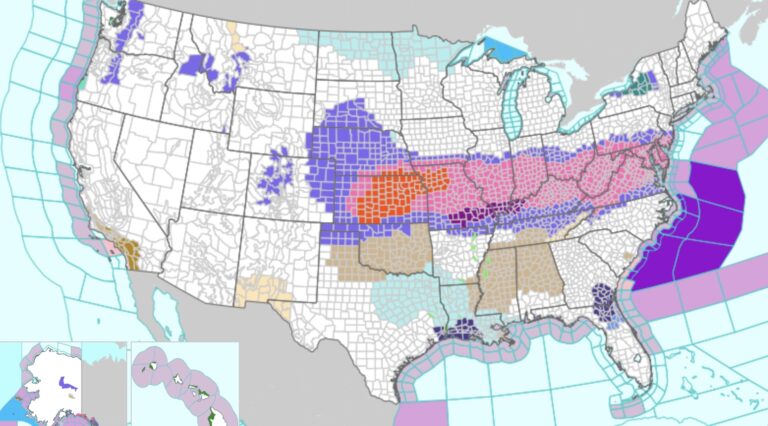
It’s worth being precise about what is and isn’t affected. Thanksgiving falls on November 26, 2026, more than two weeks before the December 11 funding deadline, so this particular funding fight has no direct bearing on Thanksgiving week travel. The risk window that matters is mid-December onward — Christmas travel, New Year’s travel, and any winter break trips booked for the back half of the month. If your only holiday travel is over Thanksgiving, the shutdown calendar isn’t something you need to factor in at all. If you have travel planned for December 11 or later, it’s worth keeping half an eye on how funding talks are progressing as that date approaches, alongside the seasonal winter weather outlook that’s already shaping up to be unusually active this year — between a strong El Niño pattern and a recurring funding fight, this December has two separate reasons to build flexibility into travel plans rather than one.
Also worth noting: clocks fall back on November 1, 2026, well before any of this, so daylight saving time isn’t a factor in the December timeline — but it’s a reminder that late-year travel planning already has a few calendar quirks worth tracking even without a funding fight layered on top.
FAQ
Is there a government shutdown right now?
No. Congress passed a continuing resolution on September 1, 2026, funding the federal government through December 11, 2026. There is no active shutdown as of this writing.
When is the next government shutdown deadline?
December 11, 2026. If Congress does not pass another funding bill or extension before then, federal agencies would face another lapse in funding at that point.
Will a government shutdown affect Thanksgiving travel in 2026?
No. Thanksgiving falls on November 26, 2026, which is before the December 11 funding deadline. The current funding is secure through Thanksgiving regardless of how the December negotiations turn out.
How have past government shutdowns affected flights?
The October–November 2025 shutdown led the FAA to order flight reductions at 40 major airports as air traffic controller staffing shortages drove a majority of national flight delays by November, disrupting millions of passengers.
Does a government shutdown close airports?
No, airports stay open and TSA officers and air traffic controllers continue working, since they’re considered essential personnel. However, they work without pay during a lapse, which past shutdowns have shown leads to higher staff callout rates, longer security lines, and, in extended shutdowns, elevated resignation rates that further strain staffing.
Should I buy travel insurance because of the shutdown risk?
For any trip departing December 11, 2026 or later, refundable fares or travel insurance are a reasonable, low-cost hedge given that the U.S. has already had three funding lapses in the past thirteen months, including one that lasted 76 days.
The Bottom Line
The shutdown that could have hit right before Thanksgiving has been avoided, but the fight has only been pushed back six weeks, to a date that sits awkwardly close to Christmas rather than safely after it. Nothing about this guarantees a fourth shutdown — Congress could just as easily pass another short-term patch or a full-year deal before December 11 arrives. But given three funding lapses in the past year, including the longest shutdown in U.S. history, and an air traffic control system with less staffing slack than it had a year ago, it’s a date worth watching if any part of your holiday travel falls in its shadow. A refundable fare, an early Global Entry renewal, and a little extra airport buffer time cost very little now and could save a genuinely stressful week in December.
This article reflects the federal funding status as of publication. Congressional funding negotiations can change quickly; check current news before finalizing December travel plans.