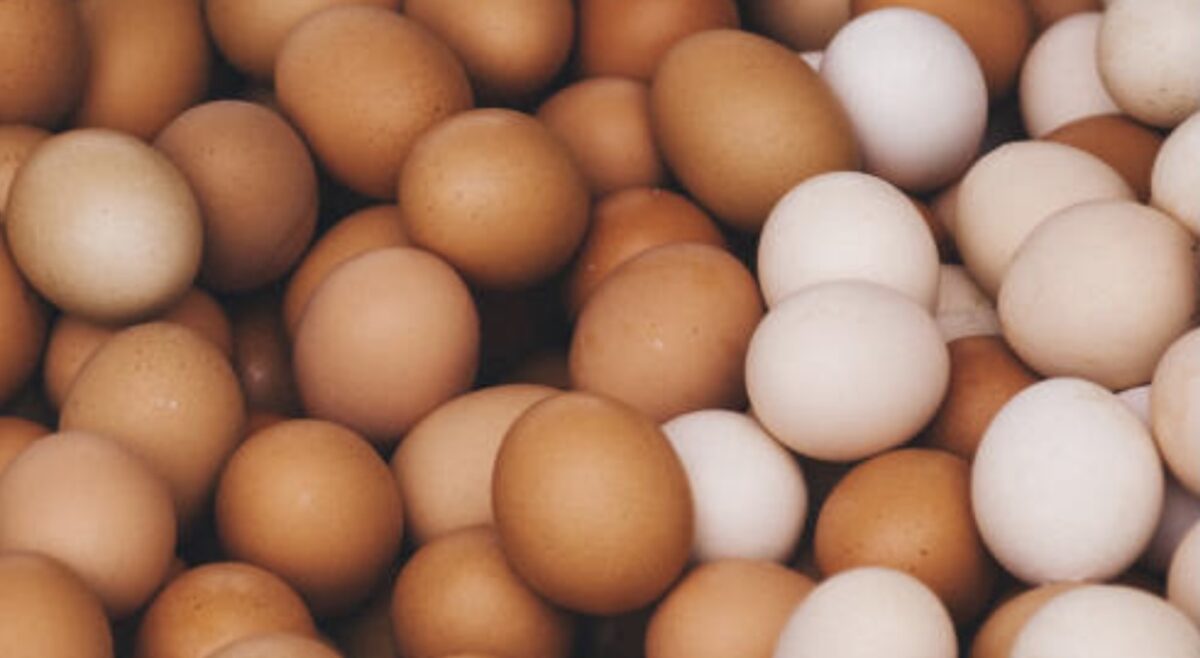
The egg shortage that has plagued consumers and businesses alike may have finally been cracked, as wholesale egg prices experience a significant drop. According to the latest report from the U.S. Department of Agriculture (USDA), wholesale egg prices fell to $3.00 per dozen last week—a 9% decrease from the previous week.
This decline offers much-needed relief to consumers, who have endured months of rising prices and empty shelves. Just a few months ago, the price of a dozen eggs hit a 10-year high, retailing for $5.90, according to the Bureau of Labor Statistics. With this dramatic price reduction, grocery stores are reporting improved supply conditions, and consumers are once again finding eggs on fully stocked shelves without purchasing restrictions.
However, while the egg market shows signs of recovery, there are still factors affecting prices and supply that businesses and consumers need to consider.
The Role of Avian Flu and Supply Recovery
One of the primary reasons for the egg price surge earlier this year was the avian flu, which wiped out millions of egg-laying birds across the country. In 2023 alone, avian influenza led to the loss of 30 million poultry, contributing to the supply crisis. But according to the U.S. Department of Agriculture (USDA), the situation has improved. In March, only 2.1 million birds were affected by the flu, a sharp drop from 23 million in January.
The reduction in avian influenza cases has been a key factor in the price drop. Efforts to improve biosecurity and prevent the spread of the disease have been effective, allowing poultry farmers to repopulate their flocks and gradually restore egg production.
Demand and Supply Dynamics Impacting Egg Prices Today
As consumer demand for eggs has softened due to the earlier high prices, suppliers have been able to ramp up production. Egg prices at retail locations have also dropped significantly in recent weeks. This improvement in supply has allowed for lower prices, although it will take time for wholesale price reductions to reach grocery store shelves. Many grocers are still limiting the number of eggs customers can purchase, with some locations enforcing a three-dozen limit.
Despite these improvements, there are still some lingering challenges. According to the USDA’s report, while wholesale prices have fallen, it takes weeks for these changes to reach grocery store shelves. Consumers may continue to see elevated prices for a short time as stores work through existing inventory. Furthermore, many grocers, like Costco, are still limiting the number of eggs customers can purchase, with some locations enforcing a three-dozen limit.
The Future of Egg Prices: What Businesses Should Know
While wholesale prices are falling, eggs remain relatively expensive compared to pre-crisis levels. According to the Consumer Price Index, egg prices in February 2025 were up 58.8% from the previous year, and while price increases have slowed, they are still historically high. Businesses must prepare for continued fluctuations in egg prices, especially as egg product manufacturers have been strategically building up supplies to meet demand.
The administration’s $1 billion investment in combating avian flu has been credited with helping stabilize the market. The USDA’s plan to fight the disease, announced in February, coincided with the fall in wholesale egg prices, providing further evidence of the link between policy and price trends.
Navigating the Egg Market: A Complex Picture
The egg market remains dynamic, with lower prices offering hope for consumers, but there are still hurdles ahead. Businesses should continue to monitor the USDA’s weekly reports and plan accordingly for potential price fluctuations. Egg prices may stabilize, but the full effects of supply recovery will take time to reach everyday shoppers. Until then, both consumers and businesses should remain cautious about potential disruptions in supply.
As egg prices today are on the decline, businesses can breathe a sigh of relief, but they must stay agile, understanding that price fluctuations, even as they improve, will remain a central issue for months to come.