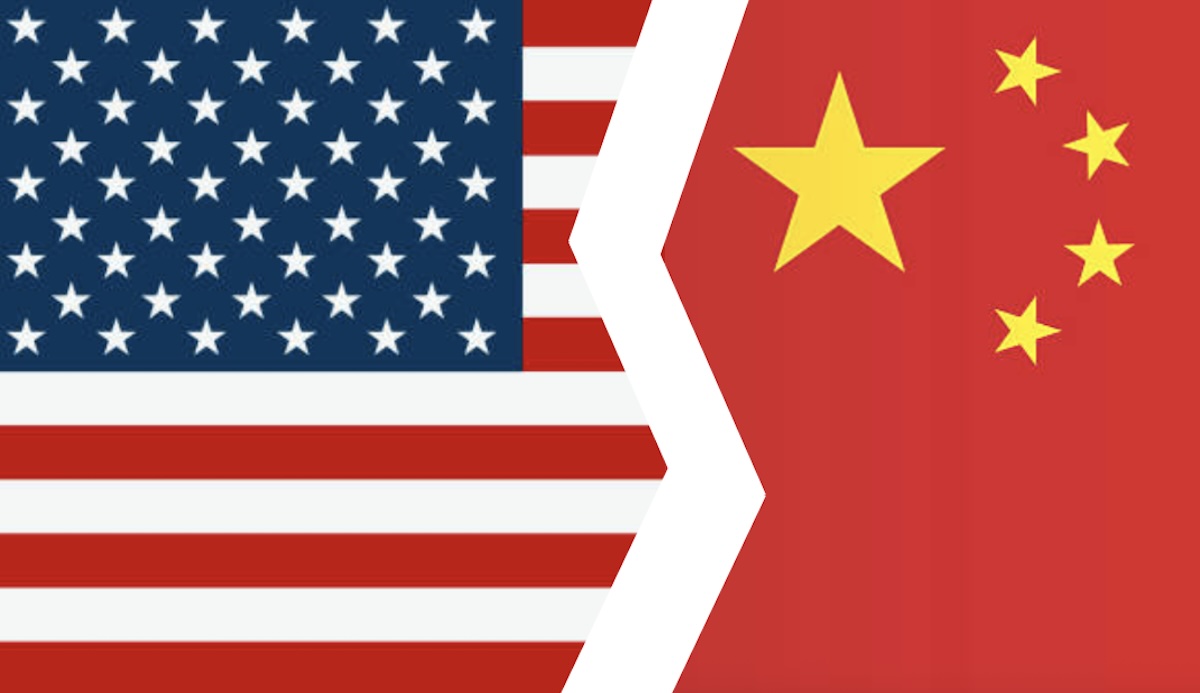
The ongoing trade war between the United States and China has entered a new phase, with the imposition of 104% tariffs on Chinese imports by the U.S. government. As President Trump continues his tariff-heavy approach to trade, China has vowed to take “resolute and effective measures” to protect its rights and interests. The escalating tariffs, which have already caused significant economic tensions, are expected to have far-reaching effects on global supply chains and international trade dynamics.
Escalating Tariffs and Trade Tensions
On Wednesday, U.S. President Donald Trump imposed an additional 50% tariff on Chinese goods, following a previous 34% increase. This came after China’s refusal to back down on its own retaliatory measures. The decision to levy tariffs on Chinese imports has been a core component of Trump’s economic strategy, aimed at addressing trade imbalances and prompting China to make changes in its trade policies.
In response, China has signaled that it will not accept what it views as “domineering and bullying behavior” from the U.S. government. While the Chinese government has refrained from announcing immediate retaliatory actions, it has made clear that it is prepared to take “resolute countermeasures” if the situation continues to escalate. This back-and-forth tariff imposition has created uncertainty in the global trade market, with many businesses and international markets closely monitoring the situation.
The Impact of Trade Restrictions on Global Supply Chains
The U.S.-China trade dispute has already disrupted global supply chains, with both nations targeting industries that rely heavily on international trade. China has accused the U.S. of using tariffs to “overturn the existing international economic and trade order” and trying to disrupt global supply and industrial chains. The introduction of these tariffs is particularly significant because of the extensive interconnectedness of the global market, where many businesses rely on components and raw materials sourced from China.
As one of the world’s largest economies and a central player in global manufacturing, China plays a crucial role in the production of goods across various industries. The imposition of heavy tariffs on Chinese imports is expected to increase costs for U.S. businesses and consumers, particularly in sectors such as electronics, automotive, and consumer goods. Moreover, the tariffs are set to have ripple effects on countries that are part of global supply chains and are heavily dependent on Chinese manufacturing and exports.
China’s Strategy to Strengthen Regional Ties
In light of the U.S. tariffs, China has turned its focus to strengthening ties with neighboring countries and diversifying its trade relationships. Chinese leadership has emphasized the importance of building a “shared future” with regional partners and improving cooperation on industrial and supply chains. This shift in strategy is part of China’s broader effort to minimize the impact of the trade war by forging stronger economic ties within its immediate vicinity.
In recent months, China has engaged in economic talks with Japan and South Korea, two countries heavily affected by U.S. tariffs. These nations, both key U.S. allies, have been negotiating with Washington to lower their respective tariff rates. China’s efforts to forge stronger regional partnerships highlight its strategy to pivot away from reliance on the U.S. and secure new economic opportunities within Asia.
Opportunities Amid Global Disruption
While the trade war has posed challenges, China has sought to turn the situation into an opportunity by capitalizing on the disruption to the global order. As businesses look to diversify their supply chains away from China, Southeast Asian countries have become more attractive options for manufacturing hubs. However, these nations have also been hit by U.S. tariffs and are actively seeking ways to negotiate with the U.S. government to avoid further economic strain.
China’s approach to strengthening ties with its neighbors and diversifying its trade relations may help it weather the storm caused by U.S. tariffs. Furthermore, Beijing’s ongoing diplomatic and economic initiatives suggest that China is determined to position itself as a resilient global trade player, capable of navigating the challenges posed by U.S. policies.
The Future of U.S.-China Trade Relations
The trade war between the U.S. and China continues to unfold, with both nations engaged in a back-and-forth escalation of tariffs. While the U.S. government has placed significant pressure on China with its latest round of tariffs, China has made it clear that it will not back down without a fight. As the global economy adjusts to these new trade realities, businesses and governments around the world will be forced to adapt to the shifting dynamics of international trade.
China’s response to the tariffs is likely to include a combination of economic countermeasures, regional partnerships, and diversification of supply chains. As the trade war progresses, the global supply chain may experience further disruptions, with businesses seeking new trade routes and alternatives to mitigate the impact of tariffs. The outcome of this ongoing trade conflict will shape the future of global economic relations for years to come, influencing everything from pricing to manufacturing strategies across industries.